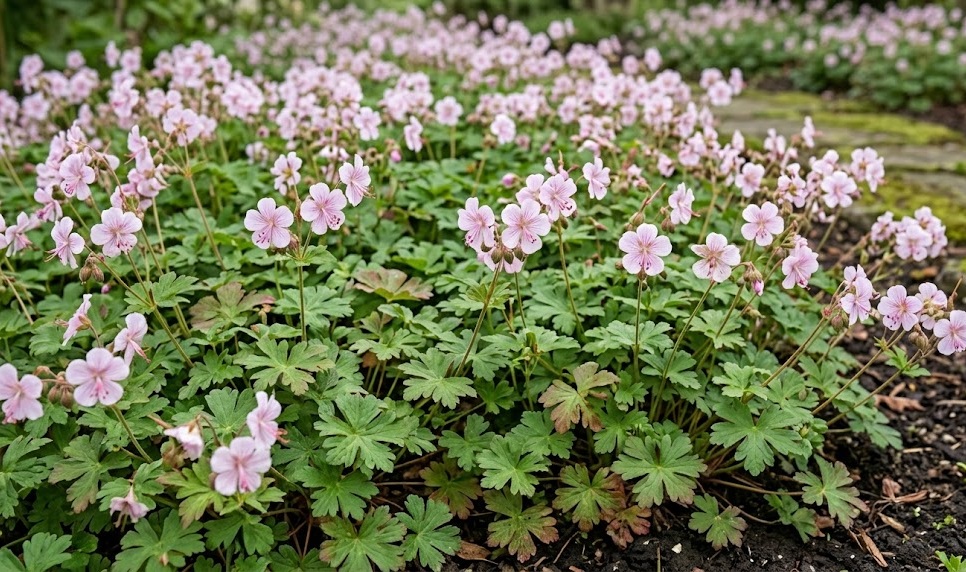

The inherent hardiness of Cambridge cranesbill makes it remarkably resistant to many of the common problems that plague other garden perennials. However, no plant is entirely immune to the pressures of nature, especially when environmental conditions become unfavorable. Understanding the potential threats from diseases and pests is essential for maintaining a pristine and healthy landscape over many years. Early identification and a proactive approach to garden hygiene are your most effective tools for protecting your investment.
One of the greatest strengths of this plant is its aromatic foliage, which naturally repels many insects that might otherwise cause damage. Despite this, certain conditions like excessive humidity or poor soil drainage can weaken the plant’s natural defenses. When a plant is stressed, it becomes more attractive to opportunistic pests and more susceptible to fungal spores that are always present in the air. A healthy plant in the right location is almost always its own best advocate against these external threats.
Good garden management starts with regular inspections of the foliage and stems, especially during the transition between seasons. Look for any unusual spots, discolorations, or signs of chewing on the leaves that might indicate a developing issue. If you catch a problem in its early stages, you can often manage it with simple, non-toxic methods before it spreads to neighboring plants. Maintaining a diverse garden ecosystem also helps, as it encourages the presence of natural predators that keep pest populations in check.
Cleanliness in the garden beds is another vital component of disease prevention for all types of geraniums. Removing dead leaves and spent flowers reduces the amount of decaying organic matter where pathogens and pests can hide and multiply. If you do encounter a diseased plant, it is important to dispose of the affected material in the trash rather than the compost pile to prevent further contamination. These simple habits create a safer and more resilient environment for your Cambridge cranesbill to thrive in.
Common fungal issues and preventative measures
Powdery mildew is perhaps the most frequent fungal concern for gardeners growing various types of hardy geraniums. It appears as a white, flour-like coating on the surface of the leaves, often during periods of warm days and cool, humid nights. While it rarely kills the plant, it can significantly detract from its aesthetic appeal and weaken its overall vitality. Improving air circulation by avoiding overcrowding is one of the best ways to keep this particular fungus at bay.
More articles on this topic
Another potential fungal threat is leaf spot, which manifests as small, dark circles on the foliage that may eventually cause the leaves to drop. This issue is usually triggered by excessive moisture on the leaves, especially if they remain wet overnight or during long rainy spells. Watering at the base of the plant rather than from overhead can greatly reduce the chances of these spores taking hold. If you notice a few affected leaves, simply removing and destroying them is often enough to stop the progression of the disease.
In rare cases of extremely poor drainage, crown and root rot can become a serious problem for the Cambridge cranesbill. This is caused by soil-borne fungi that thrive in waterlogged conditions where oxygen levels are low and the plant’s roots are compromised. The first sign is often a sudden wilting of the plant that does not respond to watering, followed by a total collapse of the stems. Preventing this issue entirely through proper site selection and soil preparation is far easier than trying to cure an established infection.
For those who prefer natural solutions, there are several organic sprays that can help manage minor fungal outbreaks. Mixtures containing neem oil, potassium bicarbonate, or even a simple diluted milk solution have been used by gardeners with varying degrees of success. These treatments work best when applied at the first sign of trouble and should be used according to the specific instructions. The goal is to support the plant through a difficult period while maintaining a healthy and chemical-free garden environment.
Viral threats and protecting the garden population
While viral infections are less common than fungal ones, they can be more challenging to manage because there are no effective cures for a plant once it is infected. Viruses are often introduced to the garden through contaminated tools or by sap-sucking insects like aphids that move from plant to plant. Symptoms of a viral infection can include distorted growth, strange mottled patterns on the leaves, or unexplained stunting of the plant. If you suspect a virus, it is crucial to isolate the plant immediately to protect the rest of your collection.
More articles on this topic
Maintaining a high standard of tool hygiene is a professional habit that every gardener should adopt to prevent the spread of diseases. Always clean your pruning shears and trowels with a disinfecting solution after working on a plant that looks unhealthy or suspicious. This simple step can prevent you from inadvertently transferring pathogens from one part of the garden to another. It is also wise to buy plants only from reputable nurseries that maintain strict quality control and disease-free stocks.
Controlling the insects that act as vectors for viruses is another important part of a comprehensive protection strategy. Encouraging beneficial insects like ladybugs and lacewings will help keep aphid populations at a level where they are unlikely to cause significant harm. If a viral outbreak is confirmed, the safest course of action is to remove and destroy the entire plant, including its root system. This may feel like a drastic measure, but it is the only way to ensure the long-term health of your entire garden landscape.
Fortunately, Cambridge cranesbill is not particularly prone to the most devastating plant viruses, but staying vigilant is always a good policy. Healthy growing conditions—proper light, water, and nutrients—are the best way to help a plant resist any potential infection. A robust and vigorous plant can sometimes tolerate a minor viral presence without showing significant symptoms or losing its beauty. Knowledge and observation are your best allies in keeping your garden free from these invisible and persistent threats.
Dealing with common garden pests like slugs and snails
Despite the aromatic properties of its leaves, the dense ground cover provided by Cambridge cranesbill can sometimes attract slugs and snails. These mollusks love the cool, damp microclimate created under the low canopy of leaves, especially during rainy weather or after evening watering. While they rarely cause fatal damage, they can leave unsightly holes in the foliage and stems of young or particularly tender plants. Managing their population is often a matter of consistent effort rather than a one-time fix.
The most effective way to deal with slugs is to remove their hiding places by keeping the area around the plants free of unnecessary debris. You can also create physical barriers using materials like crushed eggshells, copper tape, or diatomaceous earth, which make it difficult for them to reach the foliage. Many gardeners also find success with beer traps or simply by going on a “slug hunt” in the late evening with a flashlight. These manual methods are safe for pets and wildlife and can significantly reduce the pressure on your plants.
If you find that the damage is becoming extensive, there are organic slug pellets available that use iron phosphate as the active ingredient. These products are generally considered safe for use in gardens where birds, hedgehogs, and other beneficial animals are present. It is always better to use these targeted solutions rather than broad-spectrum insecticides that could harm the very creatures that help you control pests. A balanced approach ensures that your garden remains a healthy and thriving ecosystem for everyone.
It is worth noting that as the Cambridge cranesbill matures and its leaves become tougher, it typically becomes less appealing to these slimy visitors. You might notice that the most significant damage occurs in the early spring when the new growth is soft and succulent. During this time, a little extra protection can go a long way in ensuring the plant gets off to a strong start. Once the main flowering season begins, the plant usually outpaces any minor grazing that might still be occurring.
Integrated pest management and curative measures
Adopting an Integrated Pest Management (IPM) approach is the most professional and sustainable way to handle any issues that arise in your garden. This strategy involves using a combination of cultural, physical, and biological controls before resorting to any form of chemical intervention. For example, if you see aphids on your cranesbill, your first step might be to blast them off with a strong stream of water from the hose. This physical removal is often enough to disrupt their lifecycle and prevent a more serious infestation.
Biological control is another powerful tool, which involves fostering an environment where natural predators can thrive and do the work for you. Planting a variety of flowering species will attract hoverflies, predatory wasps, and other insects that feast on common garden pests. This creates a self-regulating system where no single pest population can grow large enough to cause significant damage to your geraniums. It is a long-term strategy that leads to a more stable and resilient garden that requires less work from the gardener.
If a problem persists and you feel that a curative measure is necessary, always choose the least toxic option that is effective for the specific issue. Horticultural soaps and oils are excellent for managing many soft-bodied insects without leaving harmful residues in the environment. Always read the label carefully and apply these products during the cooler parts of the day to avoid any risk of leaf burn. The goal of any treatment should be to tip the balance back in favor of the plant’s health.
After any pest or disease issue has been managed, take some time to reflect on why it might have occurred in the first place. Was the plant under stress from a lack of water, or was the soil too compacted for the roots to function properly? Adjusting your care routines based on these observations is the best way to prevent the same problems from returning next year. Gardening is a continuous learning process, and every challenge provides an opportunity to become a more skilled and observant steward of your outdoor space.