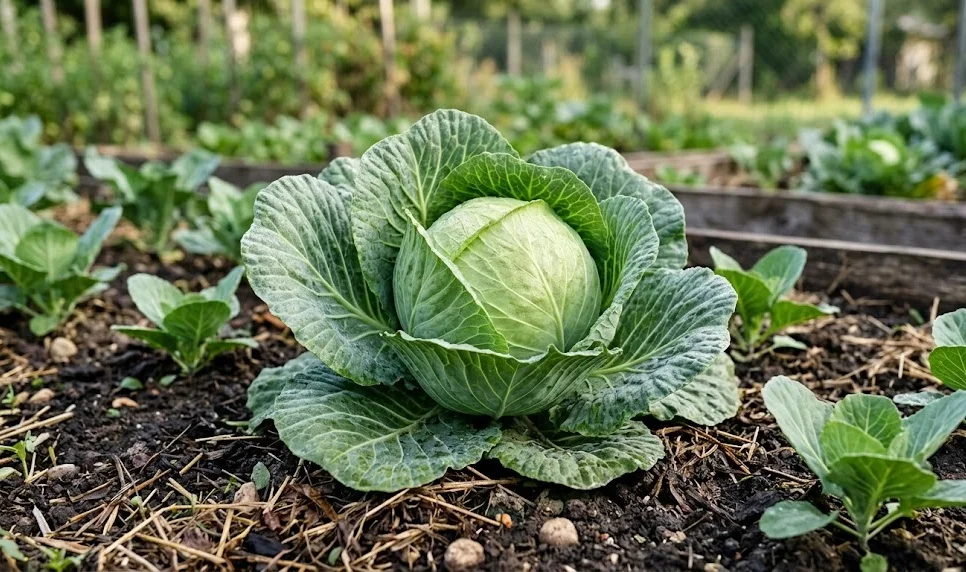

The health of a cabbage crop is constantly under threat from a variety of specialized pests and diseases that can quickly undermine months of careful work. You must adopt a vigilant scouting routine, inspecting your plants at least twice a week to identify any early signs of trouble before they escalate into a crisis. Small holes in the leaves, unusual discoloration, or a sudden loss of vigor are all signals that your intervention is required to protect the integrity of the harvest. A professional gardener understands that prevention is the most effective tool in the arsenal of crop protection.
The cabbage white butterfly is perhaps the most iconic pest of this vegetable, and its green caterpillars can defoliate a healthy plant in a surprisingly short amount of time. You should look for the small, yellow eggs on the undersides of the leaves and remove them by hand to prevent the initial infestation from gaining a foothold. If you notice the caterpillars themselves, they should be picked off and relocated or neutralized to stop the damage to the succulent foliage. This manual intervention is often enough for small gardens, but larger plots may require more systematic physical barriers like fine mesh netting.
Soil-borne diseases like clubroot can be devastating because they attack the root system directly, making it impossible for the cabbage to take up water and nutrients. You will notice the plants wilting during the day and recovering at night, a symptom that is often mistaken for simple drought until the roots are inspected. Maintaining a neutral to slightly alkaline soil pH can help suppress the development of the clubroot fungus, making soil management a key part of your disease prevention strategy. Once an area is infected, it is professional practice to avoid planting any brassicas there for several years to break the pathogen’s life cycle.
Bacterial issues such as black rot are characterized by V-shaped yellow lesions on the leaf margins that eventually turn brown and dry. This disease thrives in warm, humid conditions and can be spread through contaminated tools, splashing rain, or even through infected seeds. You should ensure that your garden tools are sterilized regularly and avoid working among the plants when the foliage is wet to minimize the risk of transmission. Removing and destroying any infected plant material immediately is essential for stopping the spread of the bacteria to the rest of your healthy crop.
Managing aphids and small sucking insects
Aphids are another common challenge for cabbage growers, as these tiny insects cluster in the protected crevices of the leaves and suck the sap from the plant. You should look for distorted growth or a sticky substance known as honeydew on the leaves, which can lead to the growth of unsightly sooty mold. A strong stream of water from a garden hose can often dislodge these pests without the need for any chemical treatments, making it a safe and professional first-line defense. Regular monitoring ensures that you catch the aphid colonies before they grow large enough to cause significant structural damage.
More articles on this topic
Encouraging natural predators like ladybugs and lacewings is a sustainable and professional way to manage aphid populations in your garden over the long term. You can plant flowering herbs like dill and yarrow nearby to provide habitat and food for these beneficial insects, creating a balanced ecosystem that works in your favor. When the natural balance is restored, you will find that the pests are kept at manageable levels without any constant intervention on your part. This biological control strategy is a hallmark of an advanced and ecologically conscious gardening practice.
If an aphid infestation becomes severe, you might consider using an organic insecticidal soap that targets the pests without leaving harmful residues on your food. It is important to apply these treatments in the late evening when beneficial pollinators are less active and the temperature is cooler to prevent leaf burn. Ensure that you reach the deep recesses of the cabbage head where the aphids love to hide, as incomplete coverage will allow the population to rebound quickly. Consistent and thorough application is the key to success when using these softer, organic management tools.
Prevention also involves maintaining the overall health of the cabbage, as stressed plants are much more attractive to sucking insects than vigorous ones. By following a strict watering and fertilization schedule, you ensure that the plant’s natural defenses are strong and that it can recover more easily from minor pest pressure. You will notice that the most robust plants in your garden often remain relatively pest-free while the weaker ones are heavily targeted. This observation reinforces the idea that good horticultural practices are the foundation of effective pest management.
Defending against slugs and snails
Slugs and snails can be a major nuisance, especially during damp spring mornings or after heavy rain, as they feed on the tender young leaves of cabbage seedlings. You should look for the characteristic silvery slime trails as a clear indicator of their presence and take action before they can destroy your young crop. Physical barriers like crushed eggshells or copper tape can be effective at a small scale by creating a surface that these mollusks find difficult to cross. Keeping the area around your cabbage patch clear of debris and tall grass will also remove the cool, damp hiding spots where they spend the day.
More articles on this topic
One of the most professional ways to manage slugs is through the use of beer traps or specialized organic iron phosphate baits that are safe for pets and wildlife. These traps attract the slugs away from your vegetables and provide an effective way to monitor and reduce the population without using toxic chemicals. You should check and refresh these traps regularly, especially during the peak of the rainy season, to maintain their effectiveness. This proactive approach keeps the pest population in check while preserving the biological health of your entire garden ecosystem.
Hand-picking slugs in the late evening or early morning is a highly effective, if somewhat tedious, method for those who prefer a direct approach to pest control. You can use a flashlight to spot them as they emerge from their hiding places and remove them from the garden entirely. This simple intervention can make a massive difference in the survival rate of your cabbage plants during the vulnerable early stages of their growth. Consistency is key, as a few nights of diligent hand-picking can significantly lower the overall mollusk pressure for several weeks.
Mulching, while beneficial for soil moisture, can sometimes provide a haven for slugs, so you must find a balance that works for your specific garden conditions. If you notice a high slug population, you might consider using a thinner layer of mulch or switching to a material that is less hospitable to these pests. Professional gardening often involves making these types of subtle adjustments based on the real-time feedback you receive from your environment. By staying observant and flexible, you can protect your cabbage from even the most persistent of garden intruders.
Identifying and preventing fungal outbreaks
Fungal diseases like downy mildew and powdery mildew can quickly turn a beautiful cabbage patch into a source of frustration if they are not managed properly. You should watch for fuzzy grey patches or white dusty coatings on the leaves, which are the primary signs that these spores have taken hold in your garden. Improving airflow by ensuring proper spacing between plants is the most effective way to prevent these issues from developing in the first place. When the leaves can dry quickly after rain or dew, the fungal spores find it much harder to germinate and spread.
If you identify a fungal issue early, removing the most heavily affected leaves can slow down the progression and give the rest of the plant a chance to recover. You should avoid composting these diseased materials, as the spores can survive the composting process and return to your garden in the future. Instead, dispose of them in the trash or by burning them to ensure that the pathogen is completely removed from your property. This disciplined approach to hygiene is a professional standard that protects your entire garden from long-term disease cycles.
Organic fungicides, such as sulfur or copper-based sprays, can be used as a preventive measure if your local climate is particularly prone to certain fungal outbreaks. It is important to follow the instructions carefully and apply these treatments before the disease becomes widespread for the best results. You will find that regular applications during the most humid weeks of the season can act as an invisible shield for your cabbage crop. A professional grower anticipates these environmental challenges and takes action before they manifest as visible damage on the plants.
Finally, crop rotation is one of the most powerful tools you have for preventing the build-up of fungal pathogens in your soil over several years. You should never plant cabbage or its relatives in the same spot more than once every three or four seasons to ensure that any remaining spores die off naturally. This long-term strategy is a fundamental principle of professional agriculture and is essential for maintaining a healthy and productive garden over many years. By respecting these natural cycles, you ensure that each new crop of cabbage has the best possible start in a clean and healthy environment.
Protecting the integrity of the harvest
As the cabbage heads reach their final stage of development, they become more attractive to a final wave of pests that are looking for a meal before winter. You should be especially vigilant for pests that can tunnel into the head, as this damage is often hidden until the vegetable is cut open in the kitchen. Using a lightweight row cover during the final weeks can provide a physical barrier that keeps late-season insects away from the maturing heads. This extra layer of protection is a professional touch that ensures your final harvest is as perfect on the inside as it is on the outside.
Heavy rain just before harvest can also be a threat, as the sudden influx of water can cause the dense heads to expand rapidly and crack open. If you see a major storm approaching and your cabbage is already firm, it might be safer to harvest slightly early rather than risk losing the heads to splitting. You can also partially sever the roots with a spade to reduce the plant’s water uptake and buy yourself a few extra days of safety. This tactical decision-making is part of the professional management of a high-value vegetable crop like cabbage.
Once the cabbage is harvested, a quick but thorough inspection will help you identify any hidden pests that might have made their way into the outer leaves. Removing these hitchhikers before bringing the cabbage into storage will prevent them from causing spoilage or spreading to other stored vegetables. A light wash in cool water can also remove any remaining dust or small insects, leaving the head clean and ready for the kitchen. This attention to detail during the final moments of the season ensures that the quality you worked so hard for is preserved until the very end.
Reflecting on the successes and challenges of the past season is the final step in a professional pest and disease management program. You should take notes on which varieties performed the best and which pests were the most difficult to manage in your specific garden conditions. This knowledge becomes your most valuable asset as you plan for the next year, allowing you to refine your techniques and anticipate problems before they arise. A professional gardener never stops learning and uses each season as a stepping stone toward even greater mastery of their craft.