
Maintaining a healthy garden environment requires a proactive approach to identifying and managing potential biological threats. While this species is generally robust, it is part of a complex ecosystem that includes several specialized insects and pathogens. Distinguishing between harmless visitors and genuine pests is an essential skill for any serious horticulturalist. A well-monitored garden is the first line of defense against the spread of debilitating diseases.
Aphids are perhaps the most common nuisance you will encounter on the tender new growth and flower buds. These small, often bright orange or yellow insects cluster together and suck the sap from the stems. While a heavy infestation can look alarming, the plants are usually strong enough to withstand some minor feeding. In many cases, a strong blast of water from a garden hose is enough to dislodge them without using chemicals.
Milkweed bugs are another frequent visitor that you might notice as the seed pods begin to develop. These insects are easily recognized by their striking black and orange patterns, which serve as a warning to predators. They primarily feed on the seeds inside the pods, which can reduce the success of natural reseeding efforts. Unless you are planning to harvest seeds for propagation, these bugs are generally considered a minor cosmetic issue.
Fungal diseases like leaf spot or powdery mildew can occur during periods of high humidity or excessive rainfall. These issues often manifest as dark spots on the foliage or a white, dusty coating on the upper leaf surfaces. Improving air circulation around the plants by proper spacing is the most effective preventative measure you can take. If the infection becomes severe, removing the most affected leaves can help slow the spread to healthy tissue.
Integrated strategies for plant protection
Root rot is the most serious threat and is almost always a result of poor drainage or overwatering. When the roots are deprived of oxygen in waterlogged soil, they become vulnerable to various soil-borne pathogens. The first sign is often a sudden wilting of the entire plant that does not improve after watering. Unfortunately, once root rot has taken hold of the main taproot, the plant is very difficult to save.
More articles on this topic
Natural predators play a crucial role in maintaining the balance of pests in your garden landscape. Ladybugs, lacewings, and predatory wasps are all attracted to the same environment and will often control aphid populations. Using broad-spectrum insecticides can be counterproductive because they kill these beneficial insects along with the pests. Encouraging a diverse ecosystem is a much more sustainable way to manage the health of your perennials.
Integrated Pest Management (IPM) focuses on monitoring and using the least toxic methods of control first. Start by regularly inspecting the undersides of leaves and the junctions where stems meet the main stalk. Hand-picking larger pests or using targeted organic treatments can resolve many issues before they escalate. This approach protects the delicate balance of the garden while ensuring the primary plants remain vibrant and productive.
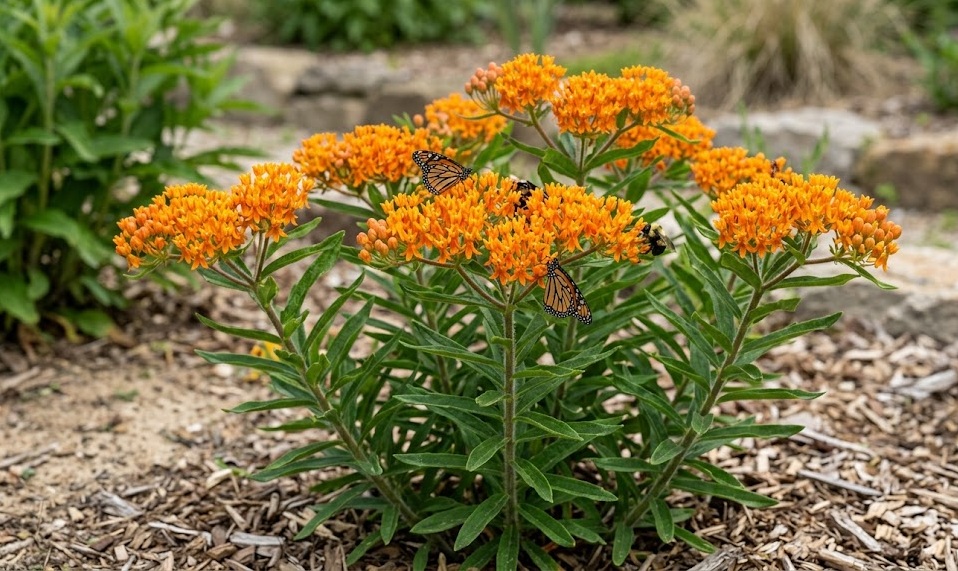
The presence of monarch caterpillars should never be mistaken for a pest problem, as they are the intended guests. These larvae will consume significant amounts of foliage, sometimes leaving the plant looking somewhat tattered. This is a natural and necessary part of the ecological cycle, and the plant will usually recover quickly. Understanding the role of the plant as a host is vital for any gardener interested in conservation and biodiversity.