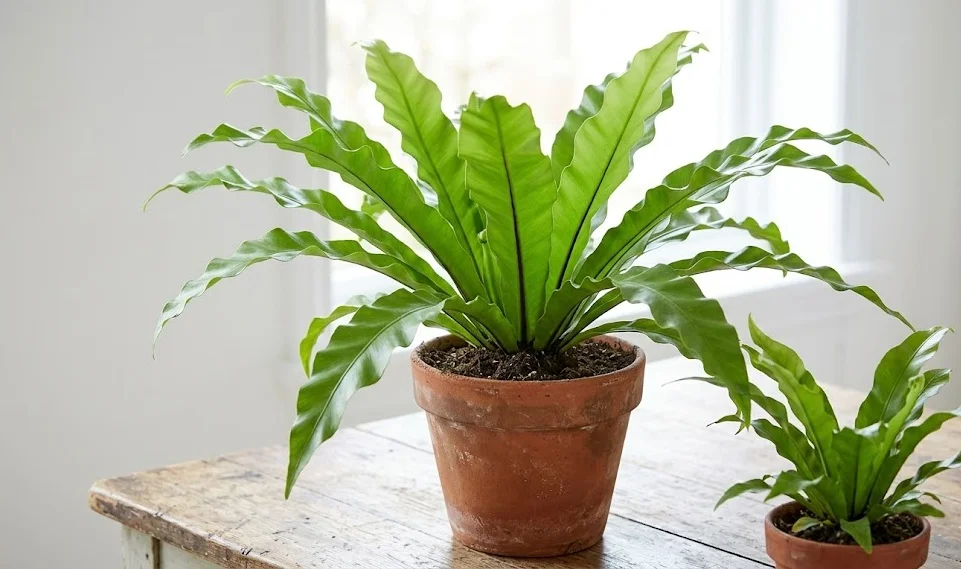

Maintaining a healthy bird’s-nest fern involves more than just watering and light; it requires a vigilant eye for the various diseases and pests that can affect this species. While these ferns are relatively robust, they are not immune to the challenges of indoor horticulture, where stagnant air and high humidity can sometimes create a breeding ground for problems. Early identification and a professional approach to treatment are essential for preventing a small issue from becoming a catastrophic failure. By understanding the common threats, you can take proactive steps to ensure your plant remains a vibrant and healthy centerpiece of your collection.
Identifying and managing common fungal issues
Fungal pathogens are among the most frequent problems encountered by those who grow ferns in high-humidity environments. One of the most common issues is leaf spot, which appears as small, dark, or water-soaked lesions on the green fronds. These spots can quickly expand and merge, leading to significant cosmetic damage and a decline in the plant’s ability to photosynthesize. Fungal outbreaks are often triggered by water sitting on the foliage for too long or by a complete lack of air circulation in the growing area.
If you notice fungal spots developing, the first step is to improve the air movement around the plant and ensure the leaves stay dry during watering. You should carefully prune away any heavily infected fronds using sterilized tools to prevent the spores from spreading to healthy tissue. It is also important to isolate the affected plant from your other specimens to stop the disease from moving through your collection. A professional-grade fungicide can be applied as a last resort, following all safety instructions provided by the manufacturer.
Root rot is another fungal-related disease that is almost always the result of overwatering or a poorly draining potting medium. The symptoms usually start below the surface, but you will notice the plant becoming limp, yellowing, or failing to produce new growth. If you suspect root rot, you must remove the plant from its pot and inspect the root system for dark, mushy, or foul-smelling sections. Healthy roots should be firm and light-colored; anything else must be trimmed away immediately to save the rest of the plant.
Preventing fungal issues is much easier than treating them once they have taken hold in your home. Always use clean, sterilized pots and fresh, high-quality potting mix when planting or repotting your bird’s-nest fern. Avoid overcrowding your plants, as this restricts air flow and creates the stagnant, moist conditions that fungi love to exploit. By maintaining a clean growing environment and practicing careful irrigation techniques, you can keep the majority of fungal diseases at bay.
More articles on this topic
Dealing with bacterial leaf spot and crown rot
Bacterial infections can be particularly devastating for bird’s-nest ferns because they often progress very rapidly and are difficult to control once established. Bacterial leaf spot often looks similar to fungal spot but may have a distinct yellow halo around the dark lesions. The bacteria enter the plant through small wounds or natural openings, often carried by splashing water or contaminated tools. Unlike fungi, bacteria cannot be easily treated with common sprays, making prevention and hygiene even more critical for the gardener.
Crown rot is perhaps the most serious threat to the life of a bird’s-nest fern, as it attacks the very heart of the plant. This condition is almost always caused by water being poured directly into the central “nest” of the rosette, where it becomes trapped and encourages bacterial growth. Once the central growing point turns brown and mushy, it is often too late to save the specimen, as no new fronds can be produced. This is why professional growers always emphasize watering only the soil at the base of the plant.
If you detect the early signs of a bacterial infection, immediately remove the affected parts and improve the overall hygiene of your workspace. Avoid misting the plant if a bacterial issue is suspected, as the moisture will only help the pathogens move from one leaf to another. Sterilize your pruning shears with alcohol between every cut to ensure you are not inadvertently spreading the infection yourself. In many cases, if the infection has reached the crown, it may be more prudent to discard the plant and start fresh with a healthy specimen.
Maintaining a strong and resilient plant through proper light, temperature, and nutrition is the best defense against bacterial pathogens. A stressed or weakened fern is much more likely to succumb to infection than one that is thriving in its ideal environment. Be careful not to damage the fronds during cleaning or moving, as these physical wounds provide easy entry points for bacteria. A professional approach to plant health is always holistic, recognizing that every aspect of care contributes to the plant’s immune system.
More articles on this topic
Controlling sap-sucking insects and common pests
Even in the most pristine indoor gardens, pests like scale, mealybugs, and spider mites can occasionally find their way onto your bird’s-nest fern. Scale insects are particularly common on ferns and look like small, brown, or tan bumps attached to the undersides of the fronds. They feed on the plant’s sap, weakening it over time and often leaving behind a sticky substance known as honeydew. Because they have a protective waxy shell, they can be difficult to eliminate with simple water sprays or mild soaps.
Mealybugs are another frequent visitor that look like tiny bits of white, fluffy cotton hidden in the crevices of the fronds or near the central nest. Like scale, they suck the life out of the plant and can reproduce rapidly if left unchecked in a warm environment. If you find only a few, you can remove them individually using a cotton swab dipped in rubbing alcohol. For larger infestations, you may need to use a more systemic approach or an insecticidal soap specifically formulated for sensitive foliage.
Spider mites are microscopic pests that thrive in dry, warm conditions, which are often found in heated homes during the winter months. You might notice fine webbing between the fronds or a characteristic stippling and yellowing of the leaf surface. Increasing the humidity around your fern is one of the most effective ways to discourage spider mites from setting up home on your plant. Regularly washing the leaves with a gentle stream of room-temperature water can also help dislodge these pests before they become a major problem.
When treating your bird’s-nest fern for pests, always test any spray or soap on a small, inconspicuous area first. Ferns have sensitive fronds that can be easily damaged by harsh chemicals or even some natural oils used in pest control. It is much better to take a slow and methodical approach than to accidentally kill the plant you are trying to save. Consistency is key, as most pest treatments require multiple applications over several weeks to break the insect’s life cycle.
Importance of environmental hygiene and prevention
Practicing good environmental hygiene is the most effective way to protect your bird’s-nest fern from the majority of health challenges. This starts with regularly inspecting your plants and removing any dead or decaying organic matter that could harbor pests or pathogens. Keeping the surface of the soil clean and free of debris prevents the development of mold and discourages insects from laying eggs. A tidy garden is a healthy garden, and this professional discipline will pay dividends in the long run.
New plants should always be quarantined for at least two to three weeks before being introduced to your main collection. This period allows you to observe the newcomer for any signs of pests or diseases that might not have been visible at the time of purchase. It is much easier to treat a single isolated plant than it is to deal with an outbreak that has spread through your entire indoor forest. This simple precautionary measure is a standard practice among professional horticulturalists and serious collectors.
The tools you use for pruning and maintenance should be kept clean and sharp at all times to minimize stress on the plant. Using dirty shears can introduce a variety of soil-borne pathogens and bacteria directly into the plant’s vascular system. A quick wipe with isopropyl alcohol before and after working on each plant is a small task that significantly reduces the risk of cross-contamination. Investing in high-quality tools and keeping them in top condition is part of the professional mindset required for successful plant care.
Finally, remember that a plant’s best defense is its own natural vitality, which is maintained through proper environmental conditions. If your bird’s-nest fern is struggling with pests or diseases, take a step back and evaluate its overall care routine. Is the light adequate? Is the humidity high enough? Is the watering consistent? Often, addressing the underlying environmental stress will allow the plant to recover its strength and fight off many common problems on its own.
Integrated pest management and safe treatment options
Integrated Pest Management, or IPM, is a professional strategy that focuses on long-term prevention and the use of the least toxic methods first. This approach involves regular monitoring, accurate identification of the problem, and a tiered response to any issues that arise. Start with physical controls, like wiping away insects or washing the plant, before moving on to biological or chemical options. This philosophy protects your plant, your home environment, and your own health while effectively managing pest populations.
Biological controls, such as introducing beneficial insects like ladybugs or predatory mites, can be effective in some indoor settings like conservatories or greenhouses. While these might not be suitable for a living room, they represent a highly professional and eco-friendly way to manage pest issues. For most home gardeners, using organic neem oil or insecticidal soap is a more practical second-tier response. Always read the labels carefully and apply these products in the evening or when the plant is not in direct light to avoid burning the foliage.
If you must use a systemic insecticide, choose one that is labeled safe for ferns and follow the dosage instructions exactly. These products are absorbed by the plant and provide long-lasting protection against sap-sucking insects from the inside out. However, they should be used sparingly and only when other methods have failed to control a serious infestation. Be aware of the potential impact on any beneficial insects if your plant is kept in a space where it might interact with the local ecosystem.
Ultimately, your goal is to create a balanced environment where your bird’s-nest fern can thrive with minimal intervention. By being proactive and knowledgeable, you can manage the risks of diseases and pests without letting them ruin your gardening experience. Every challenge you overcome will increase your skill and confidence as a gardener, allowing you to enjoy the beauty of your ferns for many years to come. Healthy plants are a testament to the care and dedication of the person who tends them.