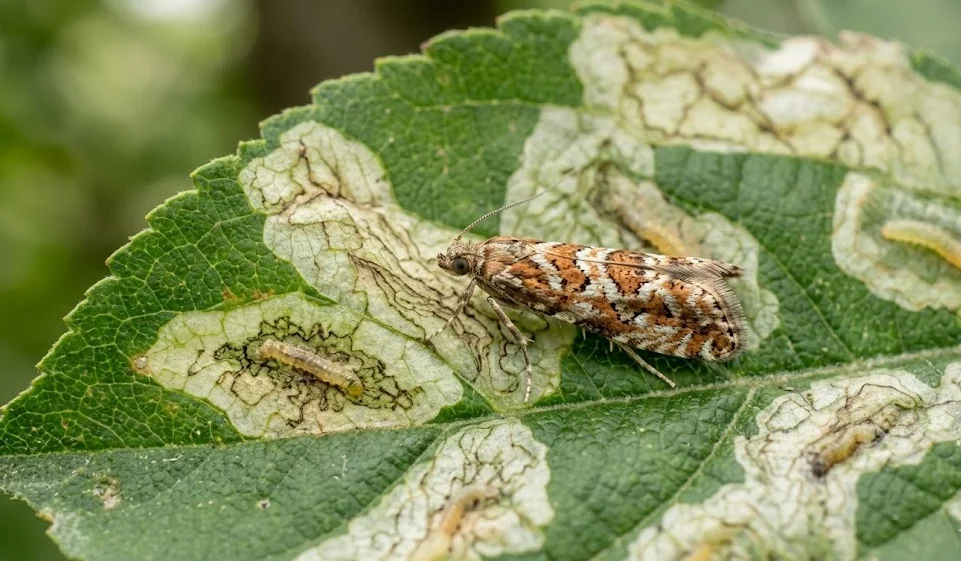

Understanding the biology of the spotted apple leafminer is the foundational step for any successful orchard management program. This small moth may seem insignificant at first glance, but its larvae can cause extensive damage to the photosynthetic capacity of apple trees. The adult moths are typically active during the early spring when the first green tissue begins to emerge from the buds. By recognizing the specific patterns of their emergence, growers can better predict when the first generation of eggs will be laid on the underside of leaves.
The lifecycle of this pest is characterized by several distinct stages that occur throughout the growing season. After hatching, the tiny larvae immediately burrow into the leaf tissue to begin their feeding process. They create characteristic mines that are visible as pale blotches on the foliage, which eventually turn brown as the tissue dies. These mines significantly reduce the leaf’s ability to produce energy for the developing fruit and the tree’s overall health.
Usually, there are three generations per year, depending on the local climate and temperature fluctuations. Each generation presents a new challenge for the grower as the population density can increase rapidly if left unchecked. The pupae often overwinter in the fallen leaves on the orchard floor, waiting for the warmth of spring to restart the cycle. Understanding these transitions allows for more precise interventions that target the most vulnerable stages of the insect.
High humidity and specific temperature ranges often accelerate the development of the larvae within the leaves. If the weather conditions are particularly favorable, the damage can escalate from a few minor spots to a full-scale infestation in a matter of weeks. Growers must stay vigilant and observe the weather patterns closely to anticipate population surges. This biological insight ensures that every subsequent control measure is rooted in the actual behavior of the pest.
Implementing effective monitoring and trapping techniques
Monitoring the population levels is critical for determining the exact moment when intervention becomes necessary. Pheromone traps are one of the most effective tools for tracking the flight activity of adult moths in the orchard. These traps should be placed at eye level and checked at least twice a week during the peak flight periods. By recording the number of captured moths, growers can create a flight curve that indicates the beginning of egg-laying activity.
Visual inspection of the leaves remains a vital component of any robust monitoring strategy. It is essential to examine at least one hundred leaves per block to get an accurate representation of the infestation level. Look for the small, sap-feeding mines that appear as tiny translucent spots during the early stages of larval development. This physical data provides a much more direct assessment of the potential damage than trap counts alone.
Data collection should be systematic and recorded in a digital or physical log for long-term analysis. Comparing year-to-year data helps in identifying specific areas of the orchard that are consistently prone to higher pest pressure. This localized knowledge allows for “hot spot” treatments rather than spraying the entire orchard, which saves time and resources. Consistent monitoring is the only way to avoid being surprised by a sudden outbreak that could compromise the harvest.
The timing of the first generation is especially important because it sets the tone for the rest of the season. If the first flight is managed effectively, the subsequent generations are often much smaller and easier to control. Using degree-day models in conjunction with trap data can provide a highly accurate prediction of larval emergence. This scientific approach removes much of the guesswork from orchard management and leads to more professional results.
Cultural practices and habitat management for orchards
Cultural control methods focus on making the orchard environment less hospitable for the pest to thrive. One of the most effective techniques is the thorough removal and destruction of fallen leaves during the autumn or winter. Since the pupae overwinter in this leaf litter, removing the debris directly reduces the primary inoculum for the following spring. This simple mechanical step can significantly lower the initial population density without the use of any chemicals.
Maintaining a healthy and balanced soil environment is another key aspect of long-term pest resistance. Trees that receive optimal nutrition and water are naturally more resilient to the stresses caused by leaf mining activity. Over-fertilization with nitrogen should be avoided, as it can lead to excessive succulent growth that is particularly attractive to many pests. A balanced approach to tree vigor ensures that the foliage is tough enough to withstand a certain level of feeding.
Proper pruning techniques also play a significant role in reducing the impact of the spotted apple leafminer. By opening up the tree canopy, you improve airflow and allow for better penetration of any necessary protective sprays. Increased light penetration can also make the interior leaves less attractive to female moths looking for a place to deposit eggs. A well-managed canopy is easier to inspect and much more efficient to treat when the time comes.
Encouraging a diverse ecosystem within the orchard rows can provide a natural buffer against pest explosions. Planting specific cover crops or maintaining flowering strips provides alternative food sources for beneficial insects. These areas act as refuges where predators can survive and multiply even when pest levels are low. A more complex habitat creates a stable environment where natural checks and balances can function effectively.
Utilizing biological control agents and natural predators
Biological control is an increasingly popular and sustainable way to manage leafminer populations in modern agriculture. Several species of parasitic wasps are the most effective natural enemies of these particular larvae. These tiny wasps lay their own eggs inside the mines, and their offspring consume the leafminer larvae from the inside. In many orchards where broad-spectrum pesticides are avoided, these parasites can control up to eighty percent of the pest population.
Spiders, lacewings, and predatory bugs also contribute significantly to the reduction of moth and larval numbers. These generalist predators roam the foliage and bark, consuming eggs and young larvae before they can cause significant damage. It is vital to recognize these allies and understand their life cycles to avoid harming them during routine maintenance. A high population of beneficial insects is often a sign of a very healthy and well-managed orchard ecosystem.
The use of selective insecticides is a key component of preserving these biological control agents. When chemical intervention is necessary, choosing products that target the pest specifically while leaving predators unharmed is the best strategy. This approach is often referred to as “soft” chemistry, and it is a hallmark of professional integrated pest management. By protecting your natural allies, you are essentially hiring a free workforce to guard your trees around the clock.
In some regions, the introduction of commercially raised beneficial insects can be a viable option for boosting natural levels. This inundative release of parasites can be particularly helpful during the early spring when natural populations might be lagging behind the pest. While this requires an initial investment, the long-term benefits of a self-sustaining biological control system are substantial. Professional growers always consider the impact on the entire food web before making management decisions.
Strategic chemical intervention and timing for maximum efficacy
When monitoring data indicates that the economic threshold has been reached, chemical intervention may be the most responsible course of action. The key to successful spraying is targeting the larvae during their most vulnerable stages, typically just after they hatch. Products that act as insect growth regulators are often preferred because they disrupt the molting process without affecting adult beneficials. Timing the application to coincide with the “sap-feeding” stage of the larvae ensures maximum absorption and efficacy.
Modern chemistry offers a variety of tools that are much more targeted and environmentally friendly than the older generations of pesticides. Translaminar products are particularly effective against leafminers because the active ingredient moves through the leaf tissue. This ensures that the larvae encounter the treatment even if they are protected inside their mines. Understanding the mode of action of each product allows the grower to rotate chemicals and prevent the development of resistance.
The quality of the application equipment is just as important as the choice of the chemical itself. Calibrating the sprayer regularly ensures that the correct dosage is applied uniformly across the entire orchard canopy. Using the right nozzles and pressure settings will minimize drift and maximize the coverage on the underside of the leaves. A professional application leaves no room for error and ensures that every liter of product is used to its full potential.
Weather conditions at the time of application must be carefully monitored to avoid washing away the treatment. Aim for calm days with no rain in the immediate forecast to allow the product to dry and adhere to the foliage. High temperatures can also affect the stability of some chemicals, so early morning or late evening applications are often preferred. Paying attention to these fine details is what separates an expert grower from an amateur.
Economic thresholds and decision making in integrated pest management
Integrated pest management is built on the idea that zero pests is not always the goal of a professional grower. Instead, the focus is on keeping the population below an economic threshold where the cost of treatment is justified by the savings in fruit quality. For the spotted apple leafminer, this threshold is often determined by the number of mines per leaf during specific times of the season. If the count remains below this level, the tree can typically compensate for the damage without affecting the final yield.
Professional decision-making involves weighing the current pest pressure against the presence of natural enemies. If a high count of mines is accompanied by a high rate of parasitism, a spray might actually be counterproductive. In such cases, the parasitic wasps would likely finish off the pest population for free if left alone. This nuanced approach requires a deep understanding of the orchard’s ecology and a willingness to trust the data.
Cost-benefit analysis should also consider the long-term health of the trees and the potential for resistance. Repeatedly using the same class of chemicals can lead to the survival of a resistant population that is much harder to control. By integrating cultural, biological, and chemical methods, the grower creates a multi-layered defense system that is much more resilient. This holistic view is the standard in modern agricultural science and leads to the most sustainable outcomes.
Education and staying updated with the latest research are essential for any manager or owner of a commercial orchard. New varieties of apples may show different levels of susceptibility to leafminer damage, requiring adjustments to the management plan. Attending professional workshops and reading technical journals helps in refining these decision-making skills over time. A professional approach is always evolving and adapting to the new challenges presented by nature.
Long-term sustainability and the future of orchard protection
Sustainability in orchard management means protecting the current crop while ensuring the environment remains productive for future generations. Reducing the total chemical load on the land is a primary goal that benefits the soil, the water, and the surrounding community. By focusing on precision and timing, growers can achieve excellent pest control with a fraction of the inputs used in the past. This shift towards efficiency is not only better for the environment but also improves the profitability of the farm.
The future of pest control will likely involve even more advanced technology, such as autonomous monitoring drones and AI-driven data analysis. These tools will allow for real-time tracking of pest movements and even more localized treatments. Imagine a system where individual trees are treated only when necessary, based on a digital map of the entire orchard. Embracing these innovations will be the next step for professionals looking to stay at the cutting edge of the industry.
Climate change is also a factor that must be considered when planning for the long-term defense of our orchards. Warmer winters may lead to earlier emergence and potentially an extra generation of pests per season. Adaptive management strategies will be required to handle these shifting timelines and maintain the high quality of our fruit production. Flexibility and a proactive mindset are the most important tools a grower can possess in a changing world.
Ultimately, the goal of protecting our apple trees against the spotted apple leafminer is about more than just a single harvest. It is about maintaining a delicate balance between human intervention and the natural world. By applying expert knowledge and professional techniques, we can produce healthy food while fostering a thriving ecosystem. This commitment to excellence is what defines the modern agricultural specialist and ensures a fruitful future for all.