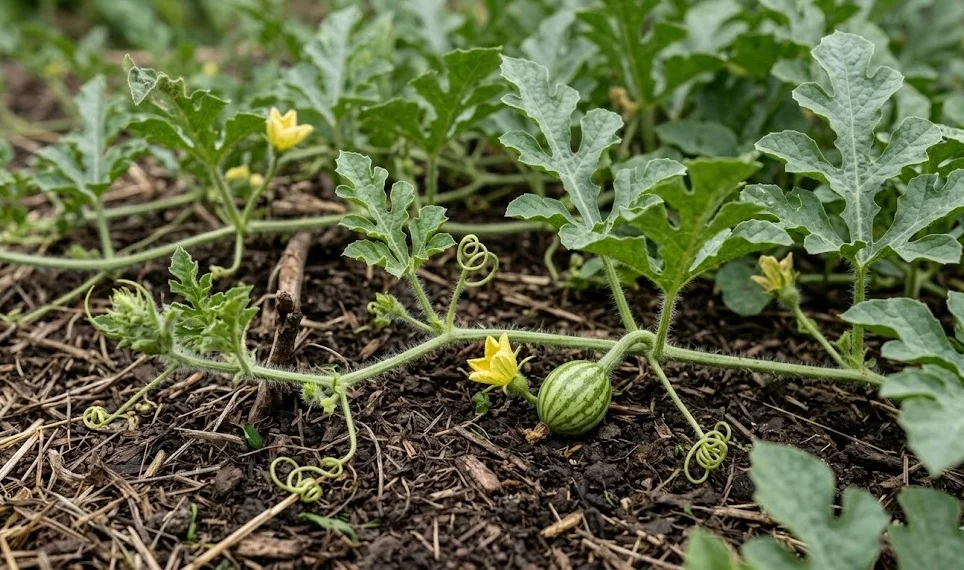

Success in cultivating high-quality watermelons depends heavily on consistent management throughout the entire growing season. You must monitor the health of the vines daily to ensure that no underlying issues are developing beneath the large, spreading leaves. Maintaining a stable environment is the most effective way to prevent the plants from becoming stressed by temperature fluctuations or moisture levels. By focusing on the specific needs of the vines at each growth stage, you can significantly increase the chances of a bountiful and sweet harvest.
Managing the soil surface around your plants is a critical task that requires constant attention to detail. You should regularly check for the presence of weeds that might compete with the watermelons for essential nutrients and moisture. Since the root systems are relatively shallow, manual weeding is often preferred over aggressive hoeing to avoid accidental damage. Applying a thick layer of organic mulch can help suppress unwanted growth while simultaneously regulating the soil temperature for better root health.
Pollination is a vital phase that directly determines the number of fruits your garden will eventually produce. You should encourage the presence of bees and other pollinators by avoiding the use of harsh chemicals during the blooming period. In cases where natural pollinator activity is low, manual pollination using a small brush can be a reliable alternative to ensure fruit set. Observing the differences between male and female flowers is essential for anyone looking to master this delicate part of the gardening process.
As the fruits begin to grow in size, they require physical support and protection from the damp ground below. You can place a layer of straw or a specialized melon cradle under each developing fruit to prevent rot and pest access. Rotating the melons very slightly every few weeks can ensure even coloring, though you must be extremely careful not to snap the brittle stems. This level of individual attention ensures that every melon has the best possible chance to reach its full potential.
Pruning the vines is another technique used by experts to channel the plant’s energy into fruit production rather than excessive foliage. You should identify the primary runners and decide which secondary shoots are unnecessary for the overall health of the plant. Removing late-season blossoms that have no chance of maturing allows the plant to focus its resources on the existing melons. This practice not only improves fruit size but also enhances the airflow through the dense canopy of leaves.
More articles on this topic
Monitoring for signs of ripeness is perhaps the most rewarding yet challenging part of the entire caring process. You can look for the small tendril near the fruit’s stem to turn brown and dry as a primary indicator of maturity. The underside of the melon, often called the field spot, should transition from a pale white to a creamy yellow color. Learning these subtle visual cues will prevent you from harvesting the fruit too early and missing out on the peak sugar content.
The nutritional needs of the vines change as they transition from the vegetative stage to the fruiting stage. You should provide a balanced approach to fertilization, ensuring that nitrogen is sufficient early on for leaf growth but reduced later to favor fruit development. Over-fertilizing with nitrogen during the later stages can lead to lush green vines but very small or flavorless fruits. Understanding the chemical balance of your soil through regular testing is the professional way to manage these requirements.
Consistent environmental monitoring involves checking for signs of heat stress during the peak of the summer months. You might notice the leaves wilting slightly in the afternoon sun, which is often a natural defense mechanism against excessive transpiration. If the wilting persists into the cooler evening hours, it is a clear sign that the plants require more intensive care or improved hydration. Protecting the delicate fruit skins from sunscald during extreme heatwaves can be achieved using light shade cloths.