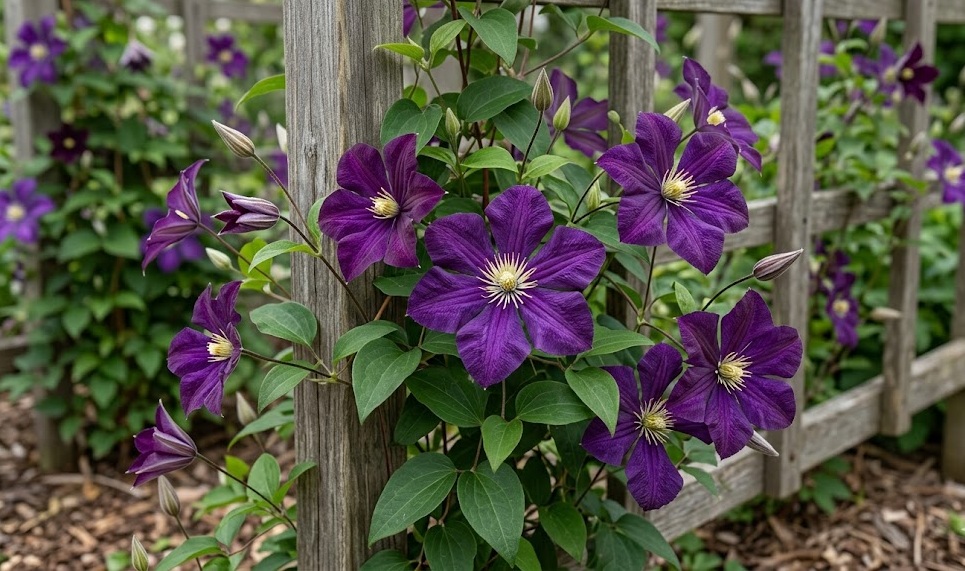

The garden clematis is one of the most beloved climbing plants in contemporary horticulture, prized for its large and velvety purple blooms. Achieving success with this specific variety requires a dedicated approach that balances environmental factors and biological needs throughout the year. Gardeners must understand that while this plant is robust, it demands specific conditions to reach its full aesthetic and structural potential. By following these expert guidelines, you can ensure a spectacular display of flowers that lasts throughout the peak summer season.
Understanding the foundational requirements
Soil preparation is the first critical step for anyone looking to cultivate a thriving climbing vine in their home landscape. These plants generally prefer a rich, well-draining soil that is high in organic matter to provide consistent nutrition over time. You should aim for a slightly alkaline to neutral pH level, as overly acidic conditions can hinder the uptake of essential minerals. Adding a generous amount of well-rotted compost or seasoned manure before planting will create the ideal foundation for long-term root health.
Managing the root environment is perhaps the most unique aspect of caring for this specific flowering variety. It is a common saying among experts that these plants like their heads in the sun and their feet in the shade. To achieve this balance, you should consider planting low-growing perennials or groundcovers around the base to provide natural cooling. Alternatively, a thick layer of organic mulch or even a strategically placed flat stone can protect the sensitive root zone from overheating.
Structural support is non-negotiable if you want your garden to feature the full vertical beauty of these climbers. Since they climb using twisting leaf petioles, the support structure must be thin enough for these small stems to wrap around effectively. A trellis made of thin wooden slats, a wire mesh, or even heavy-duty fishing line can serve as an excellent framework for growth. Without a proper climbing surface, the plant may become a tangled mess on the ground, making it far more susceptible to rot and pests.
Regular monitoring of the growth patterns will help you intervene before any minor issues become significant problems for the plant. You should check the stems every few days during the peak growing season to ensure they are heading in the desired direction. Gently tying the young shoots to their support with soft twine can help train the plant to cover the trellis evenly. This proactive approach prevents the dense clumps of foliage that can reduce airflow and lead to fungal infections in the center.
More articles on this topic
Seasonal maintenance routines
As spring arrives, the primary focus shifts to supporting the rapid emergence of new shoots from the base of the plant. This is the time to clear away any remaining debris from the previous winter to allow the soil to warm up naturally. You should apply a balanced, slow-release fertilizer early in the season to fuel the intensive energy demands of flower production. Observing the first signs of green growth will tell you exactly when the plant is ready for its first deep watering of the year.
The summer months demand a more intensive focus on hydration and pest management to keep the foliage looking its best. High temperatures can cause the soil to dry out quickly, so checking moisture levels daily becomes a necessary part of the gardener’s routine. If you notice the flowers beginning to fade, you can perform light deadheading to keep the plant looking tidy and organized. This period is also when you are most likely to spot common garden insects that might be targeting the tender new leaves.
Autumn represents a time of transition where the plant begins to slow down its metabolic processes and prepare for dormancy. You should gradually reduce the frequency of watering as the air cools to prevent the roots from sitting in cold, waterlogged soil. Clearing away fallen leaves and spent flowers from around the base will help minimize the risk of overwintering pathogens. It is also a good opportunity to inspect the support structure and make any necessary repairs before the winter winds arrive.
Winter care is mostly about protection rather than active cultivation, but it remains a vital phase for the plant’s longevity. While this variety is generally hardy, extreme temperature fluctuations can still cause damage to the dormant buds or the root system. Ensure that the mulch layer is thick enough to insulate the ground against deep freezes that might occur in late January. Avoid any heavy pruning or fertilization during this time, as the plant needs to remain completely at rest until the ground thaws.
More articles on this topic
Enhancing the aesthetic appeal
To maximize the visual impact of the large purple flowers, you should consider the backdrop against which the vine is growing. Planting against a light-colored wall or a silver-toned fence can provide a stunning contrast that makes the blooms pop. You might also pair the clematis with other climbing plants, such as climbing roses, to create a multi-layered tapestry of color. Ensuring that the plant has enough space to spread out will prevent the flowers from being hidden behind dense layers of its own foliage.
Proper spacing is essential not just for health, but for the overall balance of your garden’s design and structure. If you plant multiple vines too close together, they will compete for light and nutrients, leading to smaller and fewer flowers. Give each plant at least three to four feet of horizontal space to allow for full lateral expansion over several seasons. This breathing room also makes it much easier for you to access the plant for pruning and general maintenance tasks.
The timing of the blooms is something you can slightly influence through consistent care and proper environmental management. A well-fed and well-watered plant will often produce a more concentrated and longer-lasting flush of flowers in mid-summer. If the plant experiences stress during the bud-forming stage, it may drop its flowers prematurely or produce distorted shapes. Keeping the plant unstressed is the secret to those magazine-quality displays that every gardener dreams of achieving.
Using organic stimulants can sometimes give the plant that extra boost needed for truly exceptional flower sizes. Some experts recommend a diluted seaweed extract or compost tea applied to the soil during the early summer weeks. These natural additives provide trace minerals that are often missing from standard commercial fertilizers but are vital for petal development. You will likely notice a deeper color intensity in the blooms when the soil chemistry is perfectly balanced and rich.
Managing soil health and nutrition
Testing your soil every couple of years is a professional habit that will pay dividends in the health of your clematis. A simple kit can reveal whether you need to add lime to raise the pH or sulfur to lower it slightly. Knowing the exact nutrient profile allows you to tailor your fertilization strategy rather than guessing what the plant might need. This precision prevents nutrient lockout, where the plant cannot absorb minerals even if they are present in the soil.
Compost is the gardener’s best friend when it comes to maintaining a living, breathing soil ecosystem for your plants. Regularly top-dressing the area around the base with high-quality organic matter improves the soil structure and water-holding capacity. This practice also encourages beneficial earthworms and microbes that help break down nutrients into forms the roots can easily take up. Over time, this natural cycle creates a self-sustaining environment that requires less supplemental feeding from synthetic sources.
The method of application for fertilizers is just as important as the type of product you choose to use. Always apply fertilizers to moist soil to prevent the concentrated salts from burning the sensitive feeder roots of the vine. You should spread the granules evenly around the drip line of the plant rather than piling them against the main stem. Scratching the nutrients gently into the top inch of soil helps ensure they reach the root zone after the next rain.
Micronutrients like magnesium and iron play a silent but crucial role in the photosynthesis process and foliage color. If you notice yellowing between the veins of the leaves, it may be a sign of a specific mineral deficiency. Specialized foliar sprays can provide a quick fix for these issues, but long-term soil health is always the better solution. Maintaining a diverse range of organic inputs ensures that these trace elements are always available to the plant during its growth spurts.
Optimizing environmental conditions
Air circulation is an often overlooked factor that can make or break the health of a climbing vine in a humid climate. When foliage is too dense or the plant is squeezed into a corner, moisture can sit on the leaves for too long. This creates a perfect breeding ground for various mildews and blights that can quickly defoliate the entire plant. You should prune out some of the weaker interior stems occasionally to allow the breeze to move freely through the center.
The orientation of your planting site will determine how much energy the plant can produce through photosynthesis each day. While this variety loves the sun, extreme afternoon heat in very hot climates can cause the flowers to bleach or wilt. A site that receives strong morning sun but has some protection from the harsh western rays is often the ideal compromise. Observe how the shadows move across your garden throughout the day before deciding on a permanent location for the vine.
Competition from the roots of large trees or aggressive shrubs can starve your clematis of the resources it needs to thrive. When planting near a large tree, you might need to install a root barrier or provide extra water and food to compensate. The clematis has a relatively deep root system, but it cannot compete with the massive network of an established oak or maple. Choosing a spot with minimal underground competition will allow the vine to establish itself much more rapidly and vigorously.
Wind protection is another environmental factor that can affect the physical integrity of the long, brittle stems. Strong gusts can whip the vines against the trellis, causing abrasions or even snapping the main shoots entirely. If your garden is in a particularly windy area, consider planting the clematis behind a windbreak or using a more sheltered wall. Securely tying the main framework of the plant to the support will also provide much-needed stability during summer storms.
Long-term growth and rejuvenation
As the plant ages, you may notice that the bottom few feet of the stems become woody and lose their foliage. This is a natural part of the plant’s life cycle, but it can be managed through strategic pruning techniques over time. By cutting back a portion of the stems more severely every few years, you can encourage new green growth from the base. This keeps the plant looking lush and full from the ground all the way to the top of the trellis.
Consistency in care is the hallmark of a successful gardener, especially when dealing with long-lived perennials like the clematis. Sudden changes in the watering schedule or a missed season of fertilizing can set the plant back for more than a year. It is better to provide moderate, steady care than to oscillate between total neglect and over-compensation with chemicals. Establish a simple routine that fits into your lifestyle so that the plant receives the attention it requires.
Documenting the progress of your plant through photos and notes can provide valuable insights for future gardening seasons. You might record when the first buds appeared, how long the flowering lasted, and any pests you encountered during the year. This personal archive helps you identify patterns and adjust your care according to the specific microclimate of your own backyard. Over several years, you will become the leading expert on what makes your specific garden thrive and bloom.
The eventual size of a healthy specimen can be quite surprising to those who are new to cultivating this specific variety. A well-established plant can reach heights of ten to fifteen feet, requiring a significant amount of vertical and horizontal space. Always ensure that the support structure is sturdy enough to handle the weight of the mature vine, especially when wet. Planning for this future growth from the very beginning will save you the trouble of moving or reinforcing the plant later.
Human interaction and enjoyment
Gardening is ultimately about the connection between the person and the living things they nurture in their private space. Taking the time to sit near your clematis and enjoy the intricate details of its blooms is part of the reward. The velvety texture of the petals and the way they catch the light can provide a sense of peace and accomplishment. Sharing cuttings or photos with friends and neighbors also builds a community of like-minded enthusiasts who appreciate natural beauty.
Teaching others about the specific needs of these plants can be a fulfilling way to pass on horticultural knowledge. You might show a younger family member how to gently tie a stem or explain why the roots need to stay cool. These small interactions help foster a love for nature and a respect for the effort required to maintain a garden. The clematis becomes more than just a plant; it becomes a living legacy of your care and attention.
Adapting your gardening style to the needs of the plant is a sign of a truly skilled and empathetic horticulturist. If the plant seems to be struggling in a particular spot, don’t be afraid to make changes to its environment or care. Sometimes moving a decorative pot or adjusting the mulch layer can make all the difference in the world for its health. Being responsive to the visual cues the plant gives you is the best way to ensure long-term success and vitality.
Finally, remember that every garden goes through cycles of peak beauty and more quiet, restorative phases during the year. The winter months when the clematis is just a bundle of brown sticks are just as important as the flowering weeks. This period of rest allows the plant to gather the energy required for the next spectacular display in the coming spring. Embrace the entire process, knowing that your patience and expert care will be rewarded with a magnificent floral show.