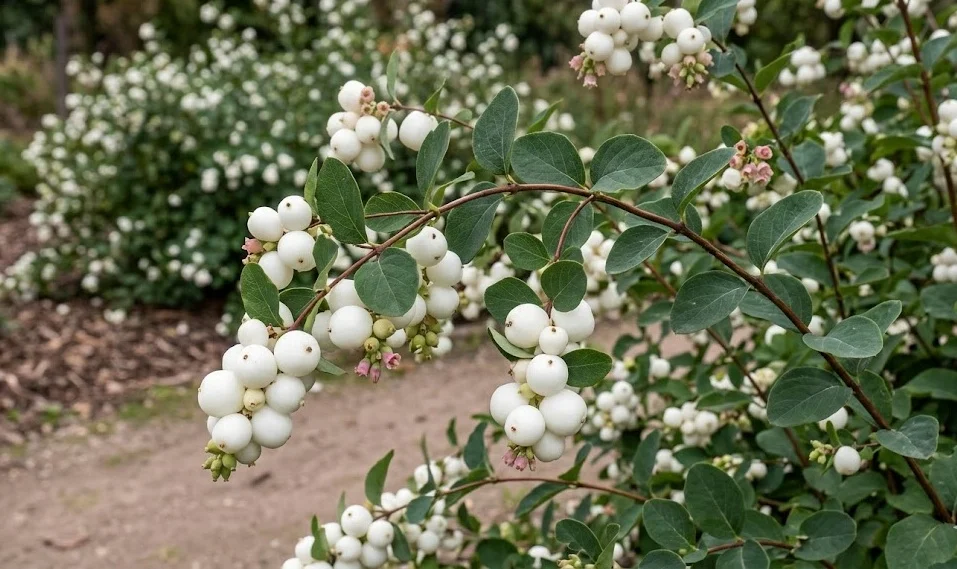

The common snowberry is a resilient and versatile deciduous shrub that has become a staple in many professional landscapes across temperate regions. Its distinctive white berries provide a unique aesthetic appeal that persists long after the foliage has dropped in the autumn months. Maintaining this plant requires a nuanced understanding of its growth habits and the specific environmental factors that influence its health. By following expert guidelines, gardeners can ensure that this shrub remains a vibrant and productive part of the garden for many years.
Cultivating this species successfully involves more than just basic planting; it requires ongoing attention to the plant’s structural development and vitality. Professional horticulturists often value the snowberry for its ability to stabilize soil and provide cover for local wildlife. Throughout the growing season, monitoring the shrub for signs of vigor or stress is essential for timely intervention. A well-cared-for specimen will display dense foliage and a prolific display of its characteristic fruit during the later months of the year.
The adaptability of this shrub is one of its greatest assets, allowing it to thrive in a variety of soil types and urban conditions. It is frequently utilized in restoration projects due to its competitive nature and its capacity to thrive where other plants might struggle. Despite this toughness, the most impressive specimens are always those that receive consistent and professional maintenance. Understanding the physiological needs of the plant allows for a more tailored approach to its annual care cycle.
Professional care routines should prioritize the balance between vegetative growth and the production of ornamental berries. This involves a comprehensive approach that includes monitoring soil moisture, assessing nutrient availability, and observing the plant’s response to local weather patterns. It is important to treat the shrub as part of a larger ecosystem, ensuring that management practices do not negatively impact the surrounding flora. With dedicated care, the snowberry can serve as both a functional and decorative cornerstone in any agricultural or garden setting.
Environmental conditions for optimal growth
The success of a snowberry plantation is heavily dependent on the specific microclimate and site conditions where it is established. While it is known for its tolerance, the plant reaches its full potential when situated in well-drained locations that mimic its natural riparian or woodland edge habitats. Professionals should evaluate the air circulation around the shrubs to minimize the risk of moisture-related issues on the leaves. Providing an environment that supports natural growth patterns will significantly reduce the need for intensive chemical interventions later on.
More articles on this topic
Soil quality plays a pivotal role in the long-term health and stability of the common snowberry throughout its life cycle. It prefers a slightly acidic to neutral pH, though it can withstand alkaline conditions better than many other ornamental shrubs. Ensuring that the soil remains porous and rich in organic matter will encourage deep root penetration and better drought resistance. Regular soil testing is recommended for professional growers to maintain the ideal chemical balance required for sustained vigor.
Temperature fluctuations are generally well-tolerated by this hardy species, but extreme shifts can still impact the quality of the fruit and foliage. In regions with particularly harsh summers, providing some afternoon relief can prevent the leaves from scorching or losing their vibrant green color. During the spring, the timing of new growth is often tied to the warming of the soil, making mulch a useful tool for temperature regulation. A stable environment is the foundation upon which all other maintenance practices are built.
Urban environments present unique challenges such as pollution and limited root space, yet the snowberry often excels in these areas. It is important to monitor for soil compaction in high-traffic zones, as this can impede the exchange of gases and water at the root level. Professional gardeners often use aeration techniques to counteract these effects and maintain a healthy root zone. By proactively managing the environment, one can ensure the shrub remains a healthy and attractive feature of the landscape.
Structural development and habit management
Managing the physical form of the snowberry is crucial for maintaining its ornamental value and preventing it from becoming overly spindly. The plant naturally tends to form thickets through suckering, which can be managed to create either a dense hedge or a more open, airy specimen. Regular observation of the branch architecture allows for strategic decisions regarding which stems to encourage and which to remove. A professional approach ensures that the interior of the shrub receives enough light to maintain healthy interior foliage.
More articles on this topic
The growth rate of the common snowberry is moderate to fast, meaning that structural adjustments should be made annually. In professional settings, the goal is often to encourage a balanced distribution of older wood and new, productive shoots. New stems are typically more vigorous and produce larger, more attractive berries than the aging wood of previous seasons. By guiding the development of the plant from a young age, gardeners can prevent many common structural problems before they arise.
As the shrub matures, it may develop a more arched or weeping habit, especially when weighted down by a heavy crop of berries. This natural form is often desired for its grace, but it must be supported by a strong and healthy root system and primary branches. Professionals sometimes use discreet thinning to reduce the weight on older branches and prevent breakage during summer storms. Maintaining a strong framework is essential for the plant’s ability to withstand environmental pressures over time.
Density is another key factor in the management of this species, particularly when it is used as a screening plant or for erosion control. Encouraging a full, bushy habit requires a combination of appropriate light exposure and targeted growth regulation. If the plant becomes too thin at the base, it may lose its functional benefits and its aesthetic appeal. Professional management focuses on keeping the shrub productive and visually appealing from the ground level to the tips of the branches.
Foliage and berry health monitoring
The foliage of the snowberry provides a delicate backdrop for the more famous white fruit that appears in the late summer. Healthy leaves should be a consistent green color, showing no signs of chlorosis or premature wilting during the peak of the growing season. Professionals look for uniform leaf size and distribution as indicators of the plant’s overall nutritional status and water uptake efficiency. Any deviations from this standard should be investigated as potential signs of underlying stress or pest activity.
The iconic white berries are the primary reason many gardeners choose to cultivate this species in professional landscapes. These fruits develop from small, pinkish flowers and typically reach their full size and color by the time the leaves begin to turn. Monitoring the fruit set is important, as a poor crop may indicate issues with pollination or environmental conditions during the flowering period. Maintaining high fruit quality ensures that the shrub remains an attractive focal point throughout the autumn and into the winter.
Birds and other wildlife are frequently attracted to the berries, which can impact the longevity of the fruit display in some areas. While this ecological interaction is often a goal for many professional gardeners, it is worth noting how it affects the plant’s appearance. In some cases, high levels of bird activity can lead to branch damage if the shrub is not structurally sound enough to support them. Balancing the needs of local fauna with the aesthetic goals of the garden is part of a professional management plan.
As winter approaches, the berries often take on a slightly translucent or weathered look, which is a natural part of their life cycle. Professional maintenance involves deciding when the fruit has lost its ornamental value and whether any cleanup is required to maintain the site’s standards. In many cases, the berries will remain on the stems until they are either consumed by wildlife or eventually fall away in the spring. Understanding these late-season transitions helps in planning the overall maintenance schedule for the entire landscape.
Soil quality and nutrient management
Providing the common snowberry with a stable nutritional foundation is a key component of professional horticultural practice. While the plant can survive in nutrient-poor soils, it will only truly flourish and produce an abundance of berries when grown in fertile conditions. A balanced supply of nitrogen, phosphorus, and potassium supports both leafy growth and the development of strong reproductive organs. Professional growers often rely on slow-release fertilizers to provide a steady stream of nutrients throughout the critical spring and summer months.
The texture and structure of the soil are just as important as its chemical composition for the long-term health of the shrub. Heavy clay soils may need the addition of organic matter to improve drainage and prevent the roots from becoming waterlogged. Conversely, very sandy soils might benefit from compost to help retain moisture and prevent nutrients from leaching away too quickly. A professional assessment of the soil’s physical properties will dictate the most effective amendment strategy for any given site.
Organic mulching is a highly recommended practice for snowberry care, as it provides multiple benefits to the soil and the plant. A thick layer of bark or compost helps to suppress weeds, regulate soil temperature, and slowly add nutrients back into the ground as it decomposes. It also helps to maintain a consistent moisture level, which is particularly important during the transition from spring to summer. Professionals ensure that the mulch is not piled directly against the stems to avoid issues with rot or rodent damage.
Regular monitoring of the soil’s pH level is necessary to ensure that nutrients remain available for uptake by the plant’s roots. If the soil becomes too acidic or too alkaline, the snowberry may exhibit signs of nutrient lockout, such as yellowing leaves or stunted growth. Professional gardeners are equipped to adjust the pH using lime or sulfur based on the results of accurate soil tests. Keeping the soil within the ideal range is a proactive way to maintain the health and beauty of the shrubbery.
Seasonal adjustments and care cycles
The maintenance requirements of the common snowberry change significantly as the seasons progress from spring through winter. In the early spring, focus is placed on clearing away any debris and preparing the ground for the upcoming flush of new growth. This is the ideal time to apply any necessary fertilizers and check the structural integrity of the branches after the winter months. Professional care at this stage sets the tone for the rest of the year and ensures the plant starts the season with vigor.
During the height of summer, the primary concern shifts to water management and monitoring for any signs of heat stress or pest infestations. This is when the plant is most active, and its demand for resources is at its highest point of the entire year. Providing supplemental irrigation during dry spells is essential for maintaining the quality of the developing berries and the lushness of the foliage. Professional gardeners keep a close eye on the weather forecast to stay ahead of any potential environmental challenges.
Autumn is a time for observation and planning, as the plant moves into its most ornamental phase with the ripening of its berries. It is important to avoid heavy fertilization or radical pruning during this period, as the plant is naturally preparing for its dormant stage. Instead, the focus should be on enjoying the visual display and ensuring the site remains tidy as the leaves begin to drop. Professional maintenance often includes a final inspection of the plant’s health before the first hard frosts of the season arrive.
Winter care for the snowberry is relatively minimal but involves protecting the shrub from physical damage caused by heavy snow or wind. The berries continue to provide interest during this time, so maintenance is often limited to visual checks and occasional light cleaning. It is a good time to plan for any major pruning or transplanting that might be needed in the following spring. Professionalism in winter care involves preparing the landscape for a successful transition into the next growing cycle.
Long-term sustainability and rejuvenation
To keep a snowberry shrub looking its best over many years, professional gardeners must sometimes employ rejuvenation techniques. Over time, the center of the plant can become overly woody and less productive, leading to a decline in its overall aesthetic appeal. Hard pruning or “renewal pruning” can stimulate the growth of fresh, vibrant stems from the base of the plant. This long-term strategy ensures that the shrub remains a youthful and energetic component of the garden’s design.
Sustainability in the garden also means considering the plant’s role in the local ecosystem and its resource consumption over time. The common snowberry is an excellent choice for sustainable landscapes because of its low water needs once established and its benefit to local fauna. Professional management focuses on minimizing external inputs like synthetic chemicals while maximizing the plant’s natural resilience. This approach not only benefits the environment but also creates a more stable and low-maintenance garden feature.
Evaluating the performance of the snowberry within the context of the larger landscape is an ongoing task for the professional horticulturist. If a specimen is consistently struggling despite proper care, it may be necessary to reconsider its placement or the surrounding plant community. Sometimes, thinning out competing plants or adjusting the light levels can give an older snowberry a new lease on life. Professionalism involves making these informed decisions to maintain the overall health and balance of the entire site.
Ultimately, the goal of long-term care is to maintain the snowberry as a functional, beautiful, and healthy part of the landscape. With the right combination of seasonal care, soil management, and structural pruning, these shrubs can live for many decades. They provide a reliable source of beauty and ecological value that few other temperate shrubs can match so effortlessly. Dedication to professional standards ensures that the common snowberry remains a cherished feature for generations of gardeners to come.