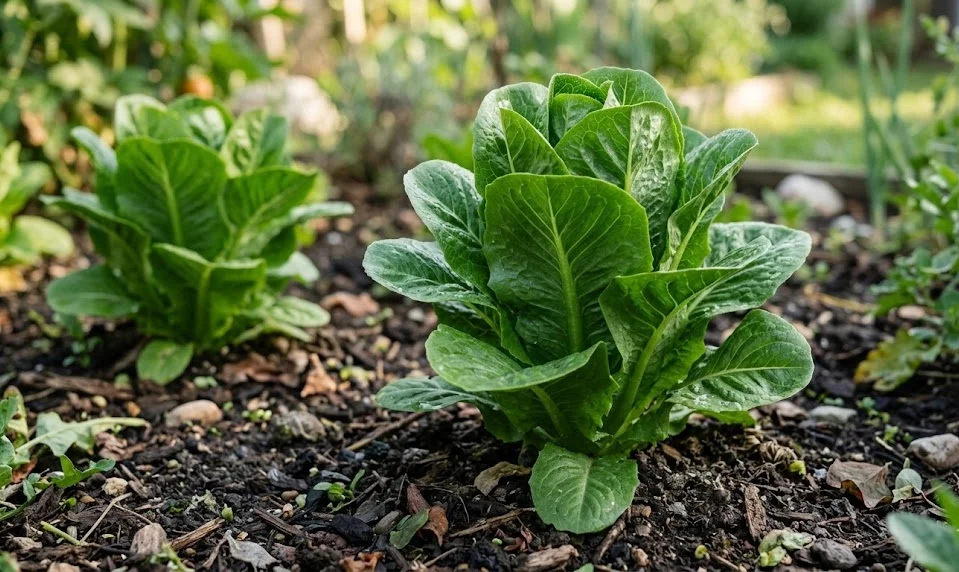

Maintaining a healthy crop of romaine lettuce requires a keen eye for detail and a consistent routine throughout the growing season. You need to understand the unique structural needs of this upright variety to ensure that the inner leaves remain crisp and flavorful. Regular observation allows you to catch minor issues before they escalate into significant problems that could ruin your harvest. By dedicating a few minutes each day to your garden, you create an environment where these plants can truly thrive.
Soil moisture levels play a critical role in the texture and taste of your garden produce. You should check the earth surrounding your plants daily to ensure it remains damp but not overly saturated. Consistent hydration prevents the leaves from becoming bitter or tough, which is a common complaint among amateur growers. If the top inch of soil feels dry, it is definitely time to provide your crop with a refreshing drink.
Air circulation is another vital component that many gardeners tend to overlook when spacing their rows. Romaine lettuce needs enough room to breathe so that moisture does not get trapped between the dense, upright foliage. Proper spacing reduces the risk of mildew and other moisture-related issues that can quickly spread through a crowded bed. Always follow the recommended guidelines for your specific variety to give each plant the space it deserves.
Keeping the area clear of debris and fallen leaves is a simple yet effective way to maintain plant health. Decomposing organic matter can harbor pests and pathogens that might eventually attack your healthy lettuce. A clean garden bed not only looks professional but also serves as the first line of defense against common agricultural challenges. Make it a habit to tidy up your garden space whenever you spend time tending to your vegetables.
Managing the soil environment
The foundation of any successful vegetable garden is the quality and composition of the soil used for planting. Romaine lettuce prefers a loose, well-draining medium that is rich in organic matter to support its rapid growth. You can improve your garden beds by mixing in aged compost or well-rotted manure before each growing cycle. This practice ensures a steady supply of nutrients and improves the overall structure of the ground.
More articles on this topic
Compacted soil can hinder root development and lead to stunted growth in your lettuce crops. It is important to avoid walking directly on the planting beds to keep the earth light and airy. If you notice the ground becoming hard or crusted, use a small hand tool to gently loosen the surface. Be careful not to disturb the shallow roots of the plants while you are working the soil.
The pH level of your garden soil is another factor that can significantly impact the health of your romaine. These plants generally perform best in slightly acidic to neutral soil with a pH range between 6.0 and 7.0. You might consider performing a simple soil test at the beginning of the season to determine if any adjustments are necessary. Adding lime can raise the pH, while sulfur or peat moss can help lower it if the soil is too alkaline.
Maintaining a cool root zone is especially important as the weather begins to warm up in late spring. Romaine lettuce is sensitive to heat, and warm soil can trigger the plant to bolt or go to seed prematurely. You can help regulate the temperature by applying a layer of organic mulch around the base of your plants. This layer acts as an insulator, keeping the roots comfortable and preserving essential moisture in the ground.
Weed control strategies for healthy crops
Weeds are the natural competitors of your garden plants, vying for the same nutrients, water, and sunlight. In a lettuce bed, aggressive weed growth can quickly overwhelm the young plants and reduce your overall yield. Regular weeding is necessary to ensure that your romaine has all the resources it needs to grow large and healthy. It is much easier to manage small weeds than to deal with established plants that have deep roots.
More articles on this topic
Hand-pulling is often the safest and most effective method for removing weeds from around your delicate lettuce. By doing this manually, you avoid the risk of damaging the shallow root systems of your vegetables with heavy tools. It is best to weed when the soil is slightly damp, as the unwanted plants will slide out much more easily. Always try to remove the entire root system to prevent the weed from growing back within a few days.
Using a hoe or other weeding tools requires a gentle touch and careful precision in a vegetable row. You should only scrape the very surface of the soil to cut the weeds off at their base without going deep. This technique minimizes soil disturbance and prevents bringing dormant weed seeds to the surface where they might germinate. Consistency is the key to success, so aim to clear your beds at least once a week.
Mulching provides a dual benefit by suppressing weed growth while also conserving precious soil moisture. A thick layer of straw, shredded leaves, or grass clippings can block out the sunlight that weed seeds need to sprout. This natural barrier significantly reduces the amount of time you need to spend on manual labor in the garden. Over time, the mulch will break down and further enrich your soil with valuable organic material.
The importance of mulching techniques
Mulching is a practice that can transform the health and productivity of your romaine lettuce patches. By covering the exposed soil, you create a protective shield against the elements and improve the microclimate around your plants. This technique is particularly useful for keeping the foliage clean and reducing the splash-back of soil during rain. Clean leaves are not only easier to prepare for the kitchen but are also less prone to soil-borne diseases.
Organic mulches are highly recommended because they offer long-term benefits to the overall soil ecosystem. Materials like weed-free straw or pine bark are excellent choices for maintaining a steady moisture level in the garden. As these materials decompose, they invite beneficial organisms like earthworms to inhabit the area under your plants. This biological activity naturally aerates the soil and makes nutrients more accessible to the lettuce roots.
The timing of your mulch application can influence how well your lettuce handles the transition into warmer weather. You should wait until the soil has warmed up slightly in the spring before applying a thick layer of insulation. If you apply it too early, you might trap the winter cold in the ground and delay the growth of your young plants. Once the weather stays consistently mild, go ahead and spread the mulch to keep things cool.
Be careful to keep the mulching material a few inches away from the actual stems of your lettuce plants. If the mulch is piled directly against the stalks, it can create a moist environment that encourages rot or fungal issues. Leaving a small gap allows for better air movement around the crown of the plant while still providing all the benefits to the surrounding soil. This small detail can make a big difference in preventing common garden setbacks.
Monitoring growth and development
As your romaine lettuce matures, you will notice a distinct change in its appearance and the density of its leaves. The plant will gradually form an elongated, upright head that is characteristic of this particular variety. Watching this progression is one of the most rewarding aspects of being a gardener and provides clues about the plant’s needs. Pay attention to the color of the leaves, as vibrant green signifies a well-nourished and healthy plant.
If you see the central stem beginning to elongate rapidly, it is a sign that the plant is preparing to flower. This process, known as bolting, usually happens when the weather becomes too hot or the plant is under stress. Once a lettuce plant starts to bolt, the leaves quickly become bitter and lose their desirable culinary qualities. To avoid this, you should harvest the plant as soon as you notice the first signs of stretching.
Regularly checking the underside of the leaves is a good habit to develop for early detection of potential problems. Many pests and diseases start in these hidden areas before they become visible on the top of the plant. If you find any unusual spots, discolorations, or tiny insects, you can take action immediately to protect the rest of your crop. Early intervention is always the most effective way to manage garden health issues.
The texture of the leaves can also tell you a lot about the hydration levels and nutrient status of your romaine. Crisp, firm leaves indicate that the plant is taking up enough water and the cell walls are strong. Wilting during the hottest part of the day is normal, but the plants should bounce back quickly once the sun goes down. If they remain limp in the evening, they likely need a deep and thorough watering.
Protecting plants from environmental stress
Romaine lettuce is relatively hardy, but extreme weather conditions can still cause significant damage to the foliage. Strong winds can tatter the leaves and dry out the plants much faster than they can absorb water from the ground. If your garden is in a particularly exposed location, consider using windbreaks or row covers to provide some protection. These simple structures can make the environment much more hospitable for your delicate greens.
Unexpected frost in late spring or early autumn can also pose a threat to your nearly mature lettuce heads. While romaine can handle light frosts, a hard freeze may cause the leaves to turn translucent and then rot. You can protect your plants by covering them with frost blankets or old sheets during particularly cold nights. Remember to remove these covers in the morning so the plants can receive sunlight and fresh air.
Heat stress is perhaps the biggest challenge for those growing romaine during the transition into summer. High temperatures can cause the edges of the leaves to burn or turn brown, which affects both the look and taste of the lettuce. Providing temporary shade during the peak afternoon hours can help keep the temperature down to a manageable level. Shade cloths are an excellent investment for anyone looking to extend their lettuce season into the warmer months.
Heavy rainfall can sometimes lead to soil compaction and can wash away the protective mulch you have carefully applied. After a significant storm, it is important to check your garden beds and make any necessary repairs to the mulch layer. You should also look for any areas where water might be pooling, as standing water can quickly lead to root rot. Ensuring good drainage is essential for maintaining a healthy and productive vegetable garden.
Harvesting for the best quality and flavor
The final stage of caring for your romaine lettuce is knowing exactly when and how to harvest it for peak quality. You can begin picking individual outer leaves as soon as they are large enough to use, which is known as “cut and come again” harvesting. This method allows you to enjoy fresh greens while the rest of the plant continues to grow and develop. It also helps to improve air circulation around the base of the plant as it matures.
For a full head harvest, wait until the plant has reached its full size and the head feels firm when gently squeezed. The timing will depend on the specific variety you are growing, but it usually takes between 60 and 80 days from seed. Use a sharp knife to cut the entire head off at the base, just above the soil line. Harvesting in the early morning while the leaves are still cool and hydrated will give you the best results.
Once you have harvested your romaine, it is important to handle it carefully to maintain its crispness. Rinse the leaves in cold water to remove any soil or garden debris, then shake off the excess moisture. Storing the lettuce in a breathable bag in the refrigerator will keep it fresh for several days or even a week. The faster you can get your greens from the garden to the cold, the better they will taste on your plate.
If you have a large number of plants reaching maturity at the same time, you may need to harvest them all at once. You can extend the life of your harvest by sharing your bounty with friends and neighbors who appreciate fresh produce. Growing your own food is a wonderful way to connect with your community and enjoy the highest quality ingredients possible. Taking pride in your gardening efforts makes every salad taste just a little bit better.