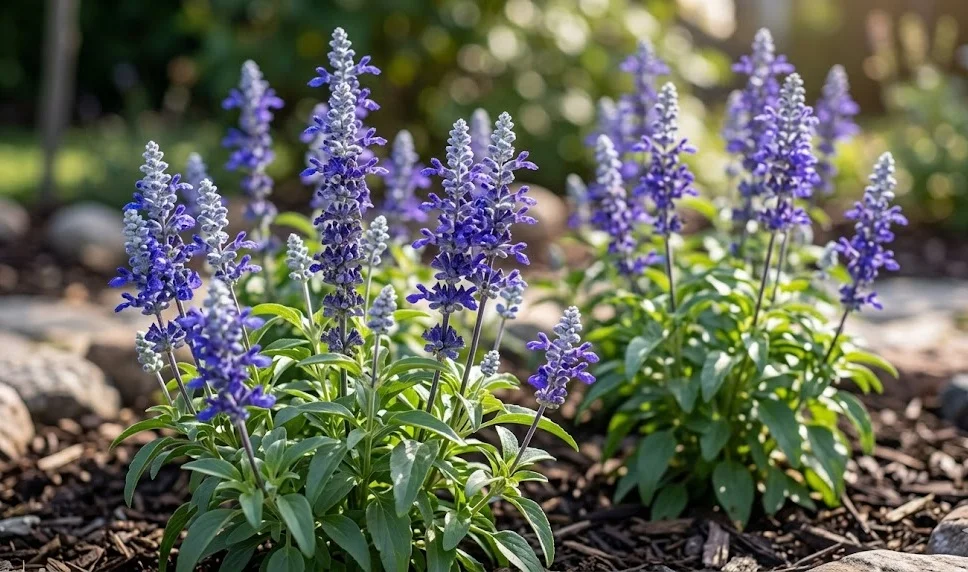

Providing proper care for mealycup sage requires a deep understanding of its Mediterranean-like preferences for sun and drainage. This resilient perennial can transform a garden with its striking blue spikes when given the right environmental conditions throughout the growing season. Successful cultivation involves a balanced approach to soil management and consistent monitoring of the plant’s health indicators. By following professional guidelines, you can ensure that these vibrant flowers remain a focal point of your landscape for months.
General maintenance practices
The foundation of maintaining healthy plants starts with regular observation of their growth patterns and foliage quality. You should check the stems weekly to ensure they are remaining upright and robust rather than becoming leggy or weak. Removing spent blooms is a critical task that encourages the plant to put its energy into new flower production. This simple act of deadheading not only improves the appearance of the garden but also extends the blooming period significantly.
Air circulation plays a vital role in preventing the stagnant conditions that often lead to fungal issues in dense garden beds. You should ensure that surrounding plants do not crowd the sage too closely as it expands during the peak summer months. If the center of the plant begins to look sparse, it may be a sign that the clump needs more space to breathe. Consistent spacing allows for better light penetration and keeps the foliage dry after rain or morning dew.
Mulching around the base of the plant helps to regulate soil temperature and retain necessary moisture during heatwaves. You should use organic materials like shredded bark or compost to provide a protective layer over the root zone. Be careful not to pile the mulch directly against the stems to avoid any potential rot issues at the crown level. A thin layer of two inches is usually sufficient to suppress weeds and maintain a healthy underground environment.
Observing the color of the leaves can provide immediate feedback regarding the success of your current care routine. Deep green leaves usually indicate that the plant is receiving sufficient nutrients and the correct amount of light. If you notice yellowing or wilting despite regular watering, it might be time to reassess the soil drainage or nutrient balance. Adjusting your care based on these visual cues is the hallmark of an experienced and attentive gardener.
More articles on this topic
Soil and nutrient balance
The quality of the soil is perhaps the most important factor in the long-term success of your mealycup sage. These plants prefer a medium that is well-draining and relatively light in texture to prevent waterlogging around the roots. If your garden has heavy clay, you should consider amending it with organic matter or grit to improve the overall structure. A slightly acidic to neutral pH level is ideal for ensuring that the plant can access all necessary micronutrients.
Nutrient management should be handled with a light touch to avoid excessive vegetative growth at the expense of flowers. You can incorporate a slow-release fertilizer into the soil during the early spring to provide a steady supply of energy. Over-fertilizing with high-nitrogen products often leads to weak stems that may flop over during heavy rain. Instead, focus on maintaining a healthy soil microbiome through the addition of well-rotted compost each season.
Testing your soil every few years provides valuable insights into what your garden might be lacking for optimal growth. This scientific approach allows you to tailor your amendments specifically to the needs of the sage and its companions. Many professional growers find that a balanced 10-10-10 fertilizer applied sparingly is more than enough for these hardy plants. Keeping a record of your soil treatments can help you identify which methods yield the best results over time.
Drainage remains the primary concern even when the nutrient levels are perfectly balanced for the growing season. You can test the drainage by digging a small hole and filling it with water to see how quickly it disappears. If the water sits for more than an hour, you may need to elevate the planting site or add more drainage material. Ensuring that the roots never sit in standing water is the best way to prevent the most common cultivation failures.
More articles on this topic
Temperature and humidity factors
Mealycup sage thrives in warm temperatures and can handle the intense heat of midsummer with remarkable grace. It is particularly well-suited for regions that experience long, hot days where other flowers might begin to wilt. However, the plant does best when night temperatures remain relatively stable and do not drop too sharply. Understanding these thermal preferences helps you choose the best microclimate within your garden for successful planting.
Humidity levels can impact the health of the foliage, especially in regions with very damp or stagnant air. While the plant is somewhat drought-tolerant, high humidity without proper airflow can lead to powdery mildew on the leaves. You should aim to plant in areas where natural breezes can move through the garden bed to keep the leaves dry. If your local climate is exceptionally humid, providing extra space between plants becomes even more critical for success.
Late spring frosts can be a challenge if the plants have already been moved outdoors after being started in a greenhouse. You should always wait until the danger of frost has completely passed before establishing them in their permanent garden home. If an unexpected cold snap occurs, covering the young plants with a light frost cloth can save them from significant damage. Once established, they are much tougher, but early protection is key for a strong start to the season.
The arrival of autumn brings cooler temperatures that signal the plant to begin its transition toward dormancy or seed production. You will notice that the growth rate slows down as the days become shorter and the sun’s intensity decreases. This is a natural part of the life cycle and does not necessarily indicate a problem with the plant’s health. Adjusting your maintenance schedule to match these seasonal temperature shifts ensures the plant is not stressed during the transition.
Seasonal care routines
Spring is the time for preparation and ensuring that the garden bed is ready for the upcoming surge of growth. You should begin by clearing away any debris from the previous year and lightly tilling the surface of the soil. This is also the best time to apply a fresh layer of compost to give the plants a gentle boost. Preparing the site early allows the soil to warm up and creates the perfect environment for new roots to take hold.
Summer requires the most active participation from the gardener to keep the display looking its absolute best. You will need to monitor moisture levels closely during periods of extreme heat and drought to prevent the plants from stressing. Deadheading should be a routine task performed every few days to keep the flower spikes looking fresh and vibrant. This active management ensures that the garden remains a beautiful and productive space throughout the warmest months.
Fall care focuses on harvesting seeds and preparing the plants for the colder months ahead if they are being treated as perennials. You should allow some of the late-season flowers to go to seed if you wish to collect them for next year. Cutting back the stems slightly can help the plant look tidier as it enters its natural decline for the winter. It is also a good time to reflect on the season’s successes and plan for any changes in the next year.
Winter maintenance is minimal, especially if the plants are grown in a climate where they do not survive the freeze. In warmer zones, you simply need to ensure the ground stays relatively dry to prevent root rot during the dormant phase. If you are growing them in containers, moving them to a sheltered location can provide enough protection for them to return. Resting the garden during this time allows you to prepare for the excitement of the next growing cycle.
Managing floral display
The characteristic blue and purple spikes of this sage are the main attraction for most gardeners and pollinators alike. To maximize the number of blooms, you must ensure the plant receives at least six to eight hours of direct sun. Without enough light, the flower spikes will be shorter and the colors will appear much less intense than expected. A sunny location is the primary requirement for achieving that professional, magazin-quality floral display in your backyard.
Pollinators such as bees and butterflies are naturally drawn to the nectar-rich flowers of the mealycup sage. By planting large drifts of these flowers, you create a beacon for beneficial insects that help the rest of your garden thrive. Watching the activity around the blooms provides a sense of connection to the local ecosystem and its natural rhythms. Promoting biodiversity is a rewarding byproduct of growing such an attractive and functional plant species.
The longevity of the individual flower spikes can be quite impressive, often lasting for several weeks before fading. You should look for the first signs of browning at the base of the spike as an indicator that it is time to prune. Removing the entire spike back to a set of healthy leaves will prompt the plant to send up a new one. This continuous cycle of renewal is what makes the sage such a valuable addition to any ornamental landscape.
Color coordination in the garden can be enhanced by pairing the sage with plants that offer contrasting textures and hues. Yellow marigolds or white daisies create a classic look that highlights the cool tones of the blue sage spikes. You can also experiment with different heights to create a sense of depth and movement within your flower beds. Planning your layout with these aesthetic principles in mind leads to a more professional and polished garden design.
General plant health monitoring
A healthy plant is your best defense against the various challenges that can arise during the long growing season. You should make it a habit to inspect the undersides of the leaves for any signs of hidden pests or early disease. Detecting a problem early makes it much easier to manage using organic or low-impact methods of control. Regular check-ups are a simple but effective way to ensure that your gardening efforts are not wasted.
Stem strength is a good indicator of the overall vigor and nutritional status of your mealycup sage plants. If the stems are firm and snap cleanly when pruned, the plant is likely receiving the ideal amount of water and light. Soft or rubbery stems can be a sign of overwatering or a lack of sufficient sunlight to support strong growth. Paying attention to these physical characteristics helps you fine-tune your care routine for better results.
Root health is often overlooked because it is hidden beneath the soil, but it is the engine of the plant. If you are growing in pots, you can occasionally check the drainage holes to see if the roots are healthy and white. Brown or mushy roots are a clear sign of poor drainage and immediate action must be taken to save the plant. Maintaining a healthy root system is the most critical aspect of growing long-lived and productive perennials.
Consistency in your care routine helps the plant establish a rhythm and reduces the amount of stress it experiences. You should try to perform your garden tasks at similar times each week to keep the environment stable for the plants. While they are resilient, sudden changes in watering or dramatic pruning can temporarily halt flower production. A steady and predictable approach to maintenance is the hallmark of a successful and experienced professional gardener.
Long-term cultivation success
Planning for the future is essential if you want to enjoy the beauty of mealycup sage year after year in your garden. While often grown as an annual in colder climates, it can be a reliable perennial in zones eight and above. Understanding your specific hardiness zone allows you to make informed decisions about winter protection and planting dates. Long-term success is built on the foundation of matching the right plant to the right environment.
Propagating your own plants from seeds or cuttings is a cost-effective way to expand your garden over several seasons. You can take cuttings in late summer to start new plants that will be ready for the following spring. This process allows you to select the strongest and most beautiful specimens to continue the lineage in your landscape. Learning these skills increases your independence as a gardener and deepens your horticultural knowledge.
Documenting your experiences in a garden journal provides a wealth of information that can be used to improve future results. You should note the dates of the first and last blooms, as well as any specific challenges you faced during the year. Recording the weather patterns and how the plants responded helps you predict what might happen in coming seasons. Over time, this journal becomes a personalized guide to your specific garden and its unique microclimate.
Sharing your knowledge and even your extra plants with other gardeners builds a sense of community and shared passion. You can exchange tips on the best varieties and discuss the most effective care techniques with neighbors and friends. Gardening is a continuous learning process, and every season offers new opportunities to refine your skills and grow. By focusing on the details and remaining curious, you will find lasting success with the beautiful mealycup sage.