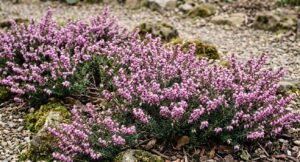
Providing the right environment for these delicate yet resilient flowers is the first step toward a successful garden season. These plants are known for their feathery foliage and vibrant daisy-like blooms that dance in the summer breeze. While they are relatively low-maintenance, understanding their basic biological needs ensures a prolonged flowering period. Successful cultivation begins with selecting a spot that mimics their native open-field habitats.
Essential environmental conditions
The foundational aspect of care involves placing the plants in a location that receives ample sunlight throughout the day. Without sufficient light, the stems tend to become leggy and weak, often flopping over under the weight of the blossoms. Soil quality is another critical factor, although these plants actually prefer soil that is not overly enriched with nutrients. High nitrogen levels can lead to lush green growth at the expense of the actual flowers you want to see.
Ensuring proper air circulation around the plants helps prevent many common fungal issues that can plague garden beds. When plants are crowded too closely together, moisture becomes trapped, creating an ideal environment for pathogens. You should aim for a spacing that allows each individual plant to reach its full width without competing for air. This simple preventative measure significantly reduces the need for chemical interventions later in the growing season.
Temperature plays a vital role in the developmental cycle of these summer annuals. They thrive in warmth and are quite sensitive to the late spring frosts that can occur in temperate climates. It is best to wait until the soil has warmed up significantly before expecting rapid growth to take place. Once established, however, they can tolerate the heat of mid-summer with remarkable grace and minimal drooping.
Watering routines should be established early on to help the root systems develop deeply into the earth. While they are drought-tolerant once mature, young seedlings require consistent moisture to build a strong structural foundation. Overwatering can be just as detrimental as neglect, as it leads to root rot in poorly drained areas. Finding the balance between hydration and drainage is key to maintaining a healthy and vibrant display.
More articles on this topic
Maintaining plant structure and health
Supporting the physical structure of the plants becomes necessary as they reach their full height in mid-summer. Many varieties can grow quite tall and may require staking or the support of neighboring sturdier plants. Wind can be a significant threat to the slender stems, so providing a windbreak or using soft ties is advisable. A little bit of early attention to support prevents the heartbreak of seeing a beautiful plant snapped after a storm.
Deadheading is perhaps the most important ongoing task for any gardener wishing to extend the blooming season. By removing spent flowers before they can develop seeds, you encourage the plant to put its energy into new buds. This process keeps the garden looking tidy and ensures a continuous splash of color until the first hard frost. Simply snip the stem just above the first set of leaves below the faded bloom.
Monitoring for signs of stress or nutrient deficiencies allows for quick corrections before the plant’s health declines. Yellowing leaves or stunted growth can often be traced back to environmental factors rather than pests. If the plants seem to be struggling despite proper light and water, a very light application of organic mulch can help. Avoid heavy chemical fertilizers, as these frequently do more harm than good for this specific species.
Managing the surrounding area by keeping it free of aggressive weeds reduces competition for vital resources. Weeds not only steal nutrients and water but can also harbor pests that might migrate to your flowers. A thin layer of natural mulch can suppress weed growth while also helping to regulate soil temperature. Regular light weeding sessions are much easier to manage than dealing with an overgrown jungle later in the season.
More articles on this topic
Seasonal transitions and lifecycle management
As the peak of summer passes, the focus of care shifts toward maintaining vigor as the days shorten. The plants may begin to show their age, but with continued deadheading, they will often produce a second flush of blooms. During this time, it is important to watch for late-season pests like aphids that might take advantage of the older foliage. Keeping the plants well-hydrated during dry late-summer spells helps them maintain their resistance to these stressors.
Collecting seeds for the following year is a rewarding part of the care cycle for many home gardeners. If you wish to save seeds, allow a few of the late-season flowers to dry completely on the plant. The seeds should be dark and firm before they are harvested and stored in a cool, dry place. This practice not only saves money but also allows you to cultivate plants that are adapted to your specific microclimate.
Observing the interaction between your flowers and local pollinators can provide insight into the health of your garden ecosystem. These plants are favorites for bees and butterflies, providing essential nectar throughout the summer months. By avoiding harsh pesticides, you ensure that your garden remains a safe haven for these beneficial insects. A healthy population of pollinators often leads to more robust seed production and a livelier garden atmosphere.
Cleaning up the garden beds at the end of the season is the final act of a dedicated caretaker. Once the foliage has been blackened by frost, the remains should be removed to prevent disease carryover into the next year. Composting the healthy plant material returns valuable organic matter to the earth, though diseased parts should be discarded elsewhere. This final step prepares the ground for a fresh start when spring returns once again.
Managing growth habits and aesthetics
Understanding the natural growth habit of these plants allows you to incorporate them effectively into your landscape design. They have a tendency to fill out quite horizontally if given the space, creating a beautiful misty effect in the border. If you prefer a bushier look, pinching out the central growing tip early in the season can be very effective. This technique forces the plant to branch out, resulting in a more compact and floriferous specimen.
Color coordination in the garden can be achieved by paying attention to the specific varieties you are growing. These flowers come in shades ranging from pure white to deep carmine, allowing for diverse aesthetic applications. Mass plantings of a single color can create a dramatic impact, while mixed beds offer a charming cottage-garden feel. Their airy foliage also provides an excellent backdrop for plants with broader, darker leaves.
Integrating these flowers with other species requires an understanding of their competitive nature. They are generally polite neighbors, but their height can sometimes overshadow smaller, sun-loving perennials. Placing them toward the back of a border or in the center of a circular bed usually works best for visibility. Their ability to sway in the wind adds a sense of movement that many more rigid garden plants lack.
Long-term success with these annuals often involves a bit of trial and error regarding their placement. Every garden has unique microclimates that might affect how these plants perform from year to year. Keeping a simple garden journal can help you track which areas produced the best results and why. Over time, you will develop an intuitive sense of exactly what your plants need to thrive in your specific soil.
Advanced care techniques for experts
For those looking to maximize the potential of their floral display, specialized techniques can be employed throughout the year. Soil testing can reveal the specific mineral balance of your garden, allowing for precise adjustments if necessary. While they prefer poor soil, an extreme lack of certain micronutrients can still cause visible issues. Using slow-release organic amendments in early spring can provide a steady, subtle supply of what they need.
Succession planting is an expert strategy to ensure that there is never a gap in the blooming period. By sowing seeds at two-week intervals, you can have fresh plants coming into flower just as the older ones begin to fade. This method is particularly useful for cut flower growers who need a consistent supply of perfect stems. It requires a bit more planning and space management but the results are well worth the extra effort.
Using high-quality organic compost tea can be a gentle way to boost plant immunity without over-fertilizing. This liquid amendment introduces beneficial microbes to the soil and foliage, helping the plant fight off pathogens. It is best applied during the early morning hours when the leaves can absorb the nutrients before the sun gets too hot. This practice supports a holistic approach to garden health that benefits the entire local environment.
Microclimate manipulation can also be used to protect the plants during unexpected weather events. Using floating row covers can provide a few degrees of warmth during a sudden cold snap in early summer. Similarly, providing temporary shade during an extreme heatwave can prevent the delicate petals from scorching. These small interventions can make the difference between a struggling plant and a spectacular garden centerpiece.
Harvesting and utilizing the blooms
The timing of the harvest is crucial for those who wish to use these flowers in floral arrangements. For the longest vase life, it is best to cut the stems in the early morning when the plants are fully hydrated. Select flowers that have just begun to open, as they will continue to unfurl once placed in water. Using clean, sharp shears prevents crushing the vascular system of the stem, allowing for better water uptake.
Preparing the stems for the vase involves removing any foliage that would sit below the water line. Leaves left in the water will quickly begin to decay, promoting bacterial growth that shortens the life of the flower. Changing the water every two days and giving the stems a fresh trim helps maintain clarity and freshness. Adding a small amount of floral preservative can also provide the necessary sugars and pH balance for longevity.
The delicate nature of the petals means they must be handled with care during transport and arrangement. They pair beautifully with other summer flowers like zinnias and dahlias, adding a light, airy texture to heavy bouquets. Their long, slender stems make them ideal for tall vases where they can lean out gracefully. Even a single stem in a bud vase can bring a touch of the meadow indoors.
Beyond their beauty in a vase, these flowers are also known for their edible properties in some culinary traditions. While not a primary food source, the petals can be used as a colorful garnish for salads or desserts. Always ensure that the plants have been grown without the use of systemic pesticides if you intend to use them this way. This adds an extra layer of versatility to an already multifaceted and beloved garden plant.
Long-term garden planning and sustainability
Incorporating these annuals into a sustainable garden plan involves thinking about the future health of your soil. Because they do not require heavy fertilization, they are excellent for maintaining a balanced ecosystem. They can be used as a “filler” in areas where you might be resting the soil from more demanding crops. Their deep root systems also help to break up compacted soil over time, improving aeration.
Biodiversity is naturally enhanced when these flowers are present due to the wide variety of insects they attract. Not only do they support pollinators, but they also provide a home for predatory insects that eat common garden pests. This natural pest control reduces the need for interventions and creates a self-sustaining environment. A garden that works with nature rather than against it is always more resilient in the long run.
Thinking about the lifecycle of the garden as a whole helps you appreciate the fleeting beauty of these summer blooms. While they only last for a single season, their impact on the landscape and the soil is lasting. The joy of watching a tiny seed transform into a towering, flowering plant never fades for an experienced gardener. Each year offers a new opportunity to refine your techniques and enjoy the simple elegance of these flowers.
Final reflections on care should always return to the idea of observation and adaptation. No two growing seasons are exactly alike, and being able to respond to the plants’ cues is the mark of a true expert. Whether it is a particularly rainy July or a scorching August, your care routine should evolve with the weather. With a little patience and attention, these flowers will reward you with a spectacular display year after year.