
Caring for a common plum tree requires a dedicated approach that combines seasonal knowledge with consistent observation. These trees are highly valued for their sweet fruit and ornamental beauty, but they demand specific conditions to thrive over the long term. Maintaining a healthy orchard environment involves managing the soil, monitoring for stressors, and ensuring the tree has the resources it needs for annual production. By understanding the natural lifecycle of the tree, any gardener can achieve a bountiful harvest and a vigorous plant.
General maintenance principles for plum trees
The foundation of successful plum tree care lies in regular observation of the tree’s overall vigor and leaf health. During the growing season, it is essential to check for any signs of wilting or discoloration that might indicate underlying issues. A healthy tree should have deep green foliage and a sturdy trunk that can support the weight of developing fruit. Keeping the area around the base of the tree clear of weeds is also a vital step in reducing competition for nutrients.
Soil management plays a critical role in the long-term health of the plum tree and its ability to produce quality fruit. Plums generally prefer well-drained soil that is rich in organic matter and holds moisture without becoming waterlogged. Applying a layer of organic mulch around the base of the tree helps to regulate soil temperature and retain essential moisture during dry spells. You should ensure the mulch does not touch the trunk directly, as this can encourage rot and provide a hiding place for rodents.
Monitoring the growth rate of young branches can provide valuable insight into the tree’s nutritional status. If the tree is growing too slowly, it may require a boost of organic compost or a balanced fertilizer in early spring. Conversely, excessive vegetative growth with little fruit may indicate that the soil is too rich in nitrogen. Striking a balance between growth and fruit production is the hallmark of an experienced gardener who understands the specific needs of their trees.
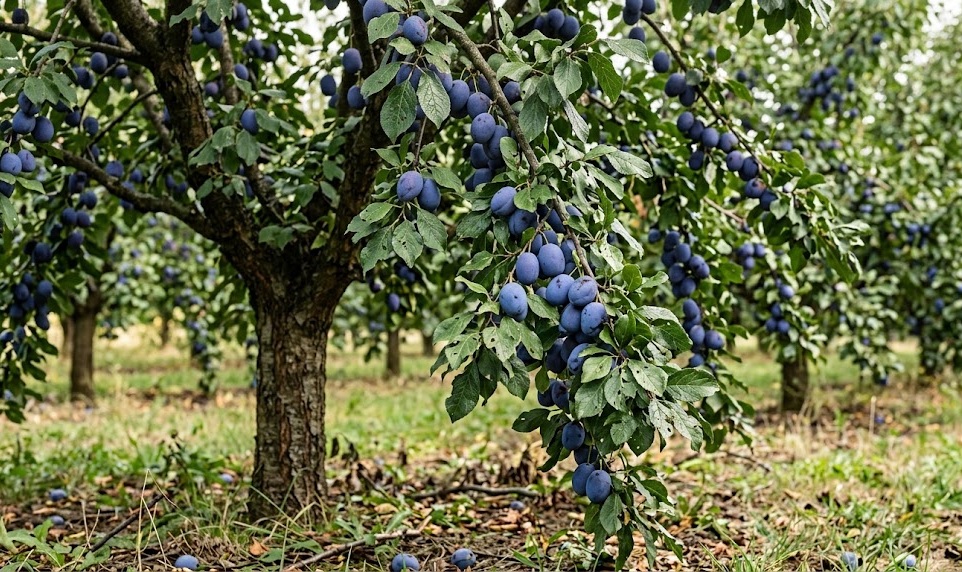
Harvesting is the culmination of the care process and requires a gentle touch to avoid damaging the delicate fruit and spurs. Plums should be picked when they are slightly soft to the touch and have developed their full characteristic color. It is often best to harvest the fruit in several passes, as not all plums on the same tree will ripen simultaneously. Proper storage in a cool, dry place will help extend the shelf life of the fruit, allowing you to enjoy the rewards of your labor for longer.
More articles on this topic
Soil quality and preparation for long term health
The quality of the soil is perhaps the most significant factor determining the success of a plum orchard over several decades. Plums thrive in loamy soils that offer a balance of sand, silt, and clay, providing both drainage and nutrient retention. Before planting or during routine maintenance, it is helpful to test the soil pH to ensure it remains in the slightly acidic to neutral range. Amending the soil with well-rotted manure or compost can significantly improve its structure and fertility over time.
Drainage is a critical consideration because plum trees are particularly sensitive to “wet feet,” which can lead to root rot. If the soil in your garden is heavy clay, consider planting the trees on slightly raised mounds to encourage better water runoff. Improving soil aeration through light surface cultivation can also help the roots access the oxygen they need for metabolic processes. Avoid deep digging near the base of the tree, as this can damage the shallow feeder roots that are essential for water uptake.
Nutrient availability depends not just on what is in the soil, but also on the biological activity within the ground. Encouraging beneficial earthworms and microbes through the use of organic matter creates a living soil environment that supports tree health. These organisms break down organic materials into forms that the plum tree can easily absorb through its root system. A healthy soil ecosystem also acts as a natural buffer against certain soil-borne pathogens and environmental stresses.
Seasonal soil adjustments are often necessary to account for the depletion of nutrients during the heavy fruiting stage. After a large harvest, the soil may benefit from a light application of compost to replenish the organic stores. This preparation ensures that the tree has enough stored energy to survive the winter and start strong the following spring. Consistent soil care is a preventative measure that reduces the need for intensive interventions later in the tree’s life.
More articles on this topic
Fruit thinning for improved harvest quality
Fruit thinning is a necessary practice that involves removing a portion of the developing plums to ensure the remaining ones reach a good size. When a tree is overloaded with fruit, the individual plums often remain small and lack the desired sugar content. Furthermore, an excessive fruit load can place immense physical strain on the branches, leading to breakages during summer storms. Thinning should ideally be performed when the fruits are about the size of a marble or a large grape.
The process of thinning allows the tree to direct its energy into a smaller number of high-quality fruits. Aim to leave about two to four inches of space between each individual plum on the branch. This spacing not only improves fruit size but also increases air circulation, which helps prevent the spread of fungal diseases like brown rot. It is a difficult task for many gardeners to remove healthy-looking fruit, but the long-term benefits for the tree are undeniable.
Thinning also helps to mitigate the issue of biennial bearing, where a tree produces a massive crop one year and very little the next. By reducing the crop load during a heavy year, the tree is more likely to have enough energy to develop flower buds for the following season. This consistency in production is highly desirable for those who rely on their garden for a regular supply of fresh fruit. Regular thinning contributes to a more stable and predictable harvesting schedule for the orchard.
When performing thinning, look for fruits that are misshapen, damaged, or showing signs of pest infestation first. Removing these low-quality fruits ensures that the tree’s resources are not wasted on a crop that will ultimately be unusable. Always use clean fingers or small shears to snap the fruit off, taking care not to damage the fruiting spur itself. This attention to detail ensures that the spurs remain healthy and capable of producing fruit in subsequent years.
Managing environmental stress factors
Environmental stressors such as extreme heat, drought, and late spring frosts can significantly impact the health of a plum tree. During heatwaves, the tree may lose water through its leaves faster than the roots can supply it, leading to leaf scorch. Providing deep, consistent watering during these periods is essential to help the tree maintain its physiological functions. Mulching the root zone is another effective strategy for keeping the ground cool and reducing water evaporation.
Late spring frosts are a common threat to plum blossoms, which can be killed by a sudden drop in temperature. If a frost is predicted while the tree is in bloom, covering the canopy with a breathable frost cloth can provide a few degrees of protection. Some growers also use smudge pots or large fans to move the air and prevent cold pockets from settling in the orchard. Protecting the blossoms is vital because if the flowers are lost, there will be no fruit for that entire year.
Wind can also be a stressor, especially for young trees or those heavily laden with fruit during the late summer. Planting plum trees in a sheltered location or providing sturdy stakes can help prevent structural damage from strong gusts. It is important to check the ties on the stakes regularly to ensure they are not girdling the bark as the trunk grows. A well-placed windbreak, such as a hedge or fence, can create a much more favorable microclimate for the orchard.
Long-term climate trends may also require adjustments in how we care for plum trees in specific regions. Selecting varieties that are better suited to your local climate and potential weather extremes is a proactive way to manage stress. Ensuring the tree is in peak health through proper nutrition and watering makes it much more resilient to occasional environmental shocks. A stressed tree is more susceptible to pests and diseases, so stress management is a core part of integrated tree care.
Tool selection and hygiene for orchard work
Using the correct tools for gardening tasks makes the work more efficient and ensures better outcomes for the plum tree. High-quality bypass pruners, loppers, and a sharp pruning saw are the essential implements for any plum grower. Sharp blades make clean cuts that heal quickly, whereas dull tools can crush the wood and create entry points for pathogens. Investing in professional-grade equipment pays off in the long run through durability and improved plant health.
Hygiene is just as important as the quality of the tools when working in a plum orchard. Pruning shears should be disinfected between trees, or even between cuts if a disease is suspected, to prevent cross-contamination. A simple solution of isopropyl alcohol or a diluted bleach mixture can be used to wipe down the blades effectively. This practice is one of the easiest ways to stop the spread of serious infections like silver leaf or bacterial canker.
Proper maintenance of the tools involves regular cleaning, sharpening, and oiling to prevent rust and ensure smooth operation. After each use, remove any sap or debris from the blades using a stiff brush and some soapy water. Drying the tools thoroughly before storage prevents the metal from corroding over time. A well-maintained tool is safer for the user and far more effective at performing the precise tasks required for tree care.
Storage of garden equipment should be in a dry, organized space where they are protected from the elements. Hanging tools on a wall rack or storing them in a dedicated shed helps keep the blades sharp and the handles in good condition. Keeping your workspace organized also makes it easier to find the right tool for the job when time is of the essence. Respecting your tools is a reflection of the respect you have for the living trees you are tending.
Seasonal observation and documentation
Keeping a garden journal is a highly effective way to track the progress and needs of your plum trees over the years. Documenting the dates of the first bloom, the appearance of pests, and the timing of the harvest provides valuable historical data. This information helps you anticipate future needs and identify patterns that might not be obvious from one year to the next. Over time, your journal becomes a personalized manual for your specific microclimate and tree varieties.
Note any changes in the tree’s appearance, such as the timing of leaf fall in the autumn or the vigor of new spring growth. If you notice a recurring problem with a specific pest, you can look back at your records to see when it first appeared in previous seasons. This allows you to time your organic treatments more effectively, targeting the pest at its most vulnerable stage. Documentation turns simple observation into a powerful tool for informed decision-making.
Photography is another useful way to document the lifecycle of the orchard and track structural changes in the trees. Taking photos of the trees during dormancy can help you plan your winter pruning strategy by making the branch structure clearer. Visual records of fruit production levels also help in evaluating whether your thinning and fertilization practices are yielding the desired results. A digital archive of your orchard’s history is an excellent resource for any serious horticultural enthusiast.
Sharing these observations with local gardening groups or online communities can also provide broader context for your experiences. Sometimes, a problem you are seeing in your garden is part of a larger regional trend that others are also managing. Collaborative learning and the exchange of information are hallmarks of the global gardening community. By observing closely and recording your findings, you contribute to a deeper understanding of plum tree cultivation.
Harvesting and post harvest handling
Harvesting plums at the peak of ripeness is essential for achieving the best flavor and texture. Unlike some fruits, plums do not significantly improve in sugar content once they are removed from the tree, though they may soften further. To test for ripeness, gently squeeze the fruit in the palm of your hand; it should give slightly without being mushy. The characteristic “bloom,” a waxy white coating on the skin, should be intact as a sign of freshness and careful handling.
When picking the fruit, handle it gently to avoid bruising the skin, which can lead to rapid spoilage. It is often helpful to use a small basket or a padded container to collect the plums as you work through the canopy. Avoid pulling the fruit directly away from the branch; instead, give it a slight twist to release the stem from the spur. This technique prevents damage to the tree’s fruiting wood, ensuring it remains productive for the next season.
Once harvested, move the fruit into a shaded area as quickly as possible to remove the field heat. Plums can be stored in the refrigerator for up to two weeks, but for the best flavor, they should be eaten at room temperature. If you have a large harvest, consider various preservation methods such as canning, drying, or making jams and jellies. Plums are exceptionally versatile in the kitchen and can be used in both sweet and savory dishes throughout the year.
Reflecting on the harvest provides an opportunity to evaluate the success of your care routine for that season. Were the fruits a good size, or did the tree require more thinning? Was there evidence of pest damage that needs to be addressed more aggressively next year? Taking the time to assess the final product helps you refine your techniques and ensures that the next growing season is even more successful.