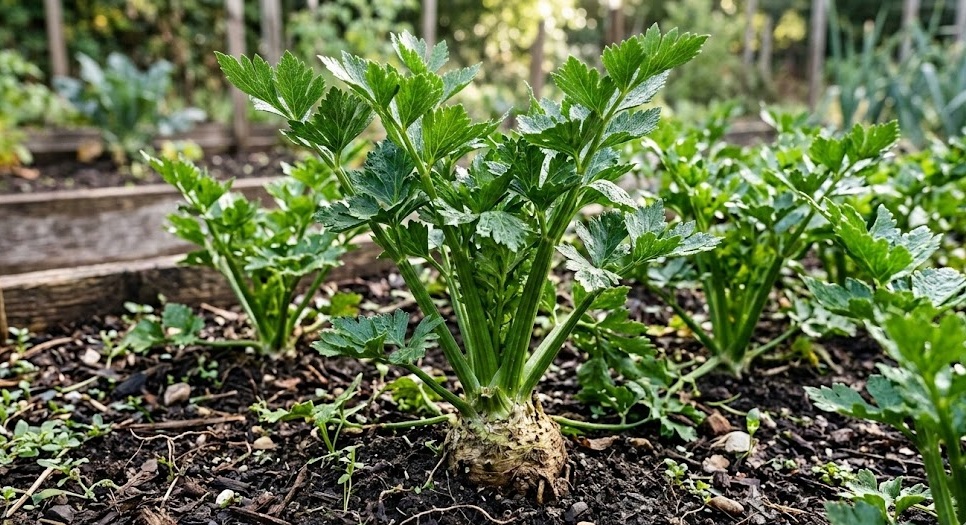

Caring for celery requires a deep understanding of its specific environmental needs and growth patterns. This vegetable is known for being somewhat demanding, yet it rewards the patient gardener with crisp and flavorful harvests. You must focus on maintaining a consistent environment to prevent the stalks from becoming woody or bitter. By following professional guidelines, you can ensure that your crop reaches its full potential in both size and nutritional value.
Maintaining the right soil temperature is one of the most important aspects of long-term care. You should aim for a stable range that encourages steady root development without causing heat stress. Cold frames or mulch can be used effectively to regulate the temperature of the ground throughout the growing season. When the soil remains consistent, the plant can allocate more energy toward producing thick and succulent stalks.
Observation is a key skill when managing a professional vegetable garden or a large-scale agricultural plot. You need to check the leaves regularly for any signs of discoloration or wilting which might indicate underlying issues. Early detection of stress allows you to adjust your maintenance routine before the damage becomes irreversible. Healthy plants will have a vibrant green color and upright posture that indicates strong turgor pressure.
The surrounding environment also plays a role in how the plant matures over several months. Air circulation is vital to prevent the buildup of humidity around the base of the stalks. If the plants are crowded, they may compete for resources and become stunted in their overall growth. Proper spacing and thinning are necessary steps to ensure each individual plant has the room it needs to thrive.
Soil management and structure
The foundation of successful celery cultivation lies in the physical and chemical properties of the soil. You should aim for a loamy texture that allows for both excellent drainage and high moisture retention. Heavy clay soils can be improved by adding significant amounts of organic matter like well-rotted compost. This creates a porous structure that facilitates easy root penetration and oxygen exchange.
More articles on this topic
The acidity levels of your garden beds should be monitored closely using regular soil tests. Celery prefers a slightly acidic to neutral range where nutrients are most readily available for uptake. If the pH is too low, you might need to apply lime to bring it back to the optimal level for this specific crop. Consistent monitoring prevents nutrient lockout and ensures the plants remain healthy throughout their life cycle.
Organic matter serves a dual purpose by providing nutrients and improving the soil’s water-holding capacity. You can incorporate green manure or aged manure into the beds several weeks before you begin your maintenance routine. This long-term investment in soil health pays off by creating a resilient growing medium. A rich soil environment supports the beneficial microbes that help break down minerals for the plant.
Compaction is a common enemy of healthy root systems and should be avoided at all costs. You should avoid walking directly on the planting beds to prevent squeezing the air out of the soil. Raised beds are often a professional choice because they define the growing area and prevent accidental compaction. Keeping the soil light and fluffy allows the roots to expand horizontally and vertically without resistance.
Weed control strategies
Managing competition from unwanted plants is essential for ensuring your celery receives all available resources. Weeds grow much faster than celery seedlings and can quickly shade them out if left unchecked. You should implement a regular weeding schedule to remove young sprouts before they establish deep root systems. Manual removal is often the safest way to protect the delicate roots of the celery itself.
More articles on this topic
Mulching is a highly effective professional technique for suppressing weed growth while also conserving moisture. You can use straw, shredded leaves, or specialized agricultural fabrics to cover the bare soil between the plants. This physical barrier prevents weed seeds from germinating by blocking out the sunlight they need. Additionally, as organic mulches break down, they continue to improve the soil quality for future seasons.
When removing weeds manually, you must be careful not to disturb the shallow root system of the celery stalks. It is often better to hand-pull weeds near the base of the plant rather than using a heavy hoe. If you use tools, keep them shallow and work only on the surface of the soil. This precision ensures that the main crop remains stable and undisturbed while the competition is eliminated.
Consistency in weed management leads to a much more uniform harvest at the end of the season. If weeds are allowed to take over even for a week, they can sap the nitrogen and phosphorus from the ground. Professional growers often find that a clean field results in larger, more uniform stalks that are easier to process. Keeping the area tidy also reduces the hiding spots for various garden pests.
Climate adaptation and protection
Celery is a cool-season crop that can be sensitive to extreme fluctuations in the local weather. You must protect the plants from late spring frosts and intense mid-summer heat to maintain quality. Shading cloths can be used during the hottest part of the day to prevent the leaves from scorching. Providing a more temperate microclimate helps the plant maintain its steady growth rate without interruption.
Wind can also be a factor that increases the rate of transpiration and dries out the foliage. If your garden is in an exposed area, consider planting windbreaks or using temporary fences to shield the crop. Reducing wind exposure helps the plant retain its internal moisture more effectively. This is particularly important during the middle of the summer when evaporation rates are at their highest.
Humidity management is a balancing act between preventing dryness and avoiding fungal growth. You should ensure that there is enough space between plants to allow the morning dew to evaporate quickly. In very dry climates, a light misting might be beneficial, but it must be done carefully to avoid leaf rot. Maintaining a moderate level of ambient humidity supports the natural physiological processes of the stalks.
As the season progresses, you may need to adjust your protection methods based on the changing light levels. Shorter days in the autumn can slow down growth, but the cooler temperatures often improve the flavor of the stalks. You can use row covers to extend the growing season as the first autumn frosts approach. This extra layer of warmth allows the celery to finish maturing even when the nights turn cold.
Growth monitoring and troubleshooting
Regularly inspecting the heart of the celery plant can tell you a lot about its overall health. The central stalks should be tightly packed and have a light green or yellowish tint depending on the variety. If you notice the center is hollow or turning brown, it could be a sign of a calcium deficiency or irregular watering. Tracking these visual cues allows you to make immediate corrections to your care routine.
The height of the stalks is a good indicator of whether the plant is receiving enough nitrogen. Stunted growth often suggests that the soil is depleted or that the roots are struggling to expand. You should compare your plants to the expected size for their specific variety and age. If they are falling behind, a light application of liquid seaweed or compost tea can provide a gentle boost.
Pest activity often leaves behind distinct patterns on the leaves that you can learn to identify. Look for small holes, silver trails, or distorted growth that might suggest the presence of aphids or slugs. Addressing these issues early prevents a small infestation from turning into a major problem. Integrated pest management focuses on using the least invasive methods first to protect the environment.
Bolting is a process where the plant prematurely produces a flower stalk, usually due to stress. This makes the celery inedible because the energy is moved from the stalks to the seeds. You can prevent this by avoiding sudden temperature drops and keeping the soil moisture consistent. Once a plant starts to bolt, it is best to remove it and focus your energy on the remaining healthy crop.
Nutrient absorption and supplements
While the soil provides the bulk of the nutrition, supplementary feeding can enhance the quality of the harvest. Celery is a heavy feeder that requires a steady supply of both macro and micro-nutrients. You should apply balanced organic fertilizers every few weeks to replenish the soil as the plants grow larger. This ensures that there is never a shortage of the elements needed for cell wall construction.
Boron is a micronutrient that is particularly important for preventing “cracked stem” in celery crops. You only need a very small amount, but its absence can lead to significant physical defects in the stalks. Professional growers often use a foliar spray to deliver micronutrients directly to the leaves for faster absorption. This method bypasses the soil and provides a quick fix for visible deficiencies.
The timing of your applications is just as important as the type of fertilizer you choose to use. It is best to apply nutrients early in the morning when the plant’s stomata are open and ready to take in moisture. Avoid fertilizing during the heat of the day, as this can lead to leaf burn and wasted resources. Consistent, low-dose feeding is generally more effective than one large application.
Compost tea is an excellent professional tool for introducing beneficial bacteria and fungi to the root zone. These microorganisms help convert complex organic matter into forms that the celery can easily absorb. You can apply this liquid gold as a soil drench around the base of each plant once a month. This biological approach creates a more dynamic and healthy ecosystem within your garden beds.
Seasonal transition and final preparations
As the harvest draws near, the way you care for the celery will change to focus on final flavor development. Some varieties benefit from blanching, which involves blocking out the light from the stalks to make them sweeter. You can do this by piling soil around the base or wrapping the stalks in thick paper. This traditional method reduces the production of chlorophyll and results in a more delicate texture.
Hardening off the plants is necessary if you intend to leave them in the ground during the early winter. This involves gradually exposing them to cooler temperatures so they can build up a tolerance to light frost. A well-hardened plant will have a much higher sugar content, which acts as a natural antifreeze. This process improves both the storability and the taste of the final product.
The final weeks of growth are the most critical for ensuring the stalks are hydrated and crisp. You should maintain a strict watering schedule right up until the day you plan to harvest the crop. Dry stalks at the end of the season will quickly wilt and lose their culinary appeal after being picked. Proper hydration ensures that the cells are fully expanded and the texture is perfect.
Once the celery has reached its optimal size, you should harvest it during the coolest part of the day. Using a sharp knife to cut the plant at the soil line prevents damage to the surrounding roots and the remaining stalks. Immediate cooling after harvest helps to lock in the freshness and prevents the loss of moisture. This professional approach ensures that your hard work results in the highest quality produce possible.