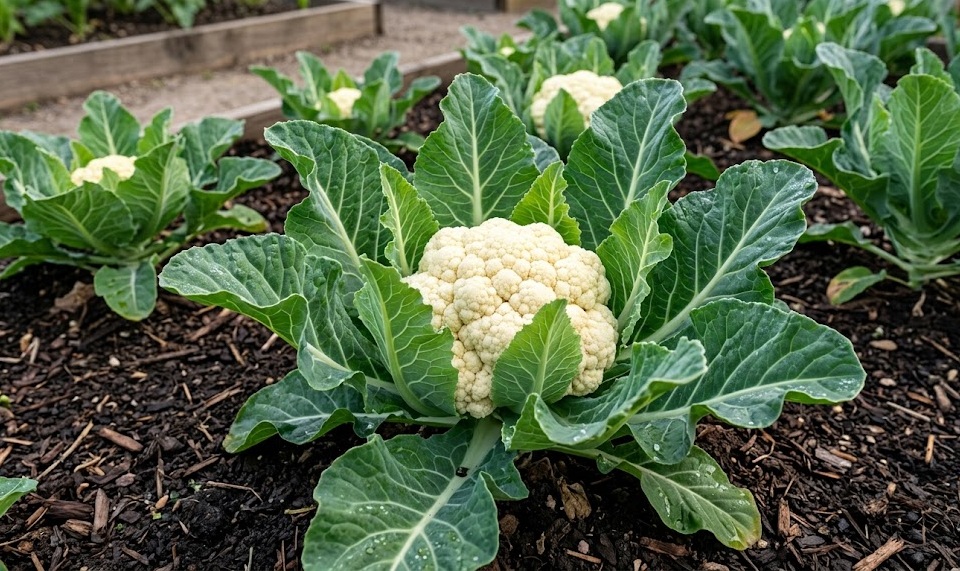

The cultivation of cauliflower is a rewarding yet demanding endeavor that requires a precise balance of environmental factors. You need to pay close attention to the climate as this crop prefers moderate temperatures and high humidity. If the weather becomes too hot or too cold, the heads may fail to form properly or become discolored. Consistent monitoring is the foundation of any successful agricultural practice involving this specific vegetable.
Soil quality is another critical aspect that determines the final success of your cauliflower harvest. The ground should be rich in organic matter and have a pH level between six and seven. Proper preparation of the planting site involves incorporating well-rotted compost or manure several weeks before planting. Ensuring that the soil is loose and well-draining will prevent many common root-related issues later on.
Maintaining adequate spacing between plants is vital for air circulation and light penetration. When plants are crowded, they become more susceptible to fungal diseases and various insect infestations. You should ideally leave at least eighteen to twenty-four inches between each individual plant in a row. This management strategy allows each cauliflower to reach its full potential without competing for resources.
Weeding must be done carefully and frequently to eliminate competition for nutrients and water. Because cauliflower has a relatively shallow root system, you must be gentle when using tools near the base of the plant. Hand-pulling weeds is often the safest method to avoid damaging the delicate roots of the main crop. Keeping the area clean also reduces the hiding spots for potential pests that could damage the developing curds.
Temperature and climate management
Temperature fluctuations can significantly impact the quality of the developing cauliflower curd. Ideally, the plants should experience daytime temperatures between fifteen and twenty degrees Celsius. If temperatures exceed twenty-five degrees, the head may become loose and grainy, which is often referred to as ricing. Professional growers often use shade cloths or other cooling methods during unexpected heatwaves to protect the crop.
More articles on this topic
Cold stress is another factor that can cause premature heading or buttoning in young plants. If a young plant is exposed to a prolonged period of low temperatures, it may produce a tiny, useless head. This response is a survival mechanism that the plant uses to complete its lifecycle quickly under stress. You must ensure that your planting schedule aligns with the local frost dates to avoid these developmental setbacks.
High humidity is generally beneficial for cauliflower, but it must be accompanied by good airflow. Stagnant, moist air creates the perfect environment for bacterial soft rot and other damaging pathogens. If you are growing in a greenhouse, using fans or ventilation systems is essential to keep the air moving. Outdoor growers should consider the direction of prevailing winds when laying out their garden rows.
Mulching is a highly effective technique for stabilizing soil temperature and maintaining consistent moisture levels. A thick layer of organic mulch, such as straw or shredded leaves, can insulate the roots from extreme heat. This practice also prevents soil from splashing onto the leaves, which reduces the risk of soil-borne diseases. Applying mulch early in the season will save you a significant amount of labor and irrigation water later.
Soil fertility and maintenance
Cauliflower is a heavy feeder that requires a constant supply of nutrients to grow rapidly. Nitrogen is particularly important during the early stages of leaf development to build a strong frame. Without a robust canopy of leaves, the plant will not be able to support a large and healthy curd. You should consider conducting a soil test before the season starts to identify any specific mineral deficiencies.
More articles on this topic
Boron is a micronutrient that is often overlooked but is crucial for healthy cauliflower development. A deficiency in boron can lead to hollow stems and brown spots on the curds themselves. You can apply a targeted foliar spray or add compost enriched with trace minerals to address this issue. Regular observations of the plant’s overall color and vigor will help you spot these nutrient issues early.
Compacted soil can severely limit the growth of the root system and reduce overall yield. If the soil is too dense, water cannot penetrate effectively, and the roots may suffocate from a lack of oxygen. It is best to avoid walking in the planting beds to keep the soil structure as open as possible. Using raised beds is a professional approach that helps maintain excellent drainage and soil aeration.
Maintaining the correct pH level is essential because it affects the availability of all other nutrients in the soil. If the soil becomes too acidic, the plant may suffer from clubroot, a devastating fungal-like disease. Adding lime to the soil can help raise the pH level to a safer range if your tests indicate acidity. Conversely, if the soil is too alkaline, sulfur can be used to bring the pH down to the ideal level for growth.
Blanching techniques for quality
Blanching is the process of protecting the developing head from sunlight to maintain its white color and mild flavor. Many modern varieties are self-blanching, meaning the inner leaves naturally wrap over the curd. However, for most traditional varieties, you will need to manually intervene to get professional results. This step is crucial if you intend to exhibit your produce or sell it in high-end markets.
Once the head reaches about the size of a tennis ball, you should gently gather the outer leaves over the curd. Secure these leaves with a soft twine, a rubber band, or even a clothespin to keep them in place. Be careful not to tie them too tightly, as the head still needs room to expand and air must still circulate. This physical barrier prevents the sun from turning the white curds yellow or purple.
The timing of blanching is sensitive and depends heavily on the growth rate of the specific variety. You should check your plants every few days to see if the heads have reached the appropriate size for tying. If you wait too long, the sun may have already started to discolor the curd, which cannot be reversed. Frequent inspection is the only way to ensure that each plant is protected at exactly the right moment.
Moisture can sometimes become trapped inside the tied leaves, leading to rot or mold. It is a good idea to perform the tying process on a dry day when the leaves are free from dew or rain. If you notice any signs of decay during your inspections, you should loosen the leaves to allow for better drying. Providing this extra level of care is what separates a professional harvest from a mediocre one.
Monitoring growth stages
The transition from the vegetative stage to the reproductive stage is the most critical time for cauliflower. During this period, the plant shifts its energy from growing leaves to forming the central curd. Any major stress during this transition can result in a complete crop failure or very poor quality. You must ensure that the plant has ample water and nutrients during this high-demand phase.
The duration of the growth cycle varies significantly between early-maturing and late-season varieties. Some types can be harvested in as little as sixty days, while others may take up to five months. Keeping detailed records of your planting dates and variety characteristics will help you anticipate the harvest window. This organization is essential for commercial operations and serious hobbyists alike.
As the head matures, it will eventually begin to separate and lose its firm, compact structure. This is a sign that the plant is moving toward its flowering stage, and the quality of the vegetable will rapidly decline. You should aim to harvest when the curd is still tight, smooth, and free from any signs of flowering. The texture becomes increasingly woody and the flavor turns bitter if the harvest is delayed even by a few days.
Weather events, such as sudden frost or heavy rain, can force you to adjust your harvesting schedule. While mature cauliflower can tolerate a light frost, a hard freeze will damage the cell walls and ruin the texture. If extreme weather is forecasted, it is often better to harvest slightly early rather than risk losing the entire crop. Professional growers always have a contingency plan for protecting or harvesting their produce during emergencies.
Troubleshooting common growth issues
Buttoning is a common problem where the plant produces a tiny head prematurely instead of growing large leaves. This is usually caused by stressors like transplant shock, low temperatures, or extreme drought early in the life of the plant. Once a plant starts to button, there is nothing you can do to reverse the process or increase the head size. The best approach is to identify the stressor and prevent it from happening in future planting cycles.
Blindness occurs when the central growing point of the cauliflower plant is damaged or missing. Without this growing point, the plant will produce many leaves but will never develop a central curd. This can be caused by mechanical damage, bird pecking, or certain insect pests like the swede midge. Professional growers inspect their seedlings carefully and discard any that show signs of blindness before they ever hit the field.
Ricing is a condition where the surface of the curd becomes velvety or grainy due to high temperatures. This happens when the small flower buds that make up the head begin to elongate and separate. While riced cauliflower is still edible, it lacks the professional appearance and firm texture desired by most consumers. Providing shade and keeping the soil cool are the primary ways to prevent this unsightly physiological disorder.
Hollow stem is typically a symptom of rapid growth combined with a deficiency in essential micronutrients like boron. If the plant grows too fast due to excessive nitrogen, the internal tissues cannot keep up and a cavity forms. To prevent this, you should use balanced fertilizers and avoid over-stimulating the plants with too much nitrogen. Maintaining a steady growth rate rather than a series of growth spurts will lead to much higher quality.
Harvesting and post-harvest care
Harvesting should be done with a sharp knife by cutting the stem a few inches below the head. It is professional practice to leave a few of the surrounding green leaves attached to protect the curd during transport. These wrapper leaves act as a natural cushion and help prevent bruising of the delicate white surface. You should handle the harvested heads with great care to avoid creating brown marks from physical impact.
The best time of day to harvest is in the early morning when the plants are still cool and hydrated. Harvesting in the heat of the afternoon will result in rapid wilting and a much shorter shelf life for the produce. If possible, move the cauliflower immediately to a shaded or refrigerated area to remove field heat. This rapid cooling is essential for maintaining the crispness and nutritional value of the vegetable.
If you cannot consume or sell the cauliflower immediately, it can be stored in the refrigerator for up to two weeks. The ideal storage temperature is near zero degrees Celsius with very high relative humidity to prevent drying. Wrapping the heads in a damp cloth or placing them in a perforated plastic bag can help maintain these conditions. Avoid storing cauliflower near fruits like apples that release ethylene gas, as this will cause the vegetable to yellow.
For long-term preservation, cauliflower can be blanched in boiling water and then frozen for several months. This allows you to enjoy the fruits of your labor long after the growing season has ended. Professional preservation techniques ensure that the vitamins and flavor are locked in effectively for future use. Sharing your harvest with others is one of the most rewarding aspects of mastering the art of gardening.