
The western spicebush is an elegant deciduous shrub that brings a touch of wild beauty to the domestic landscape. It is native to the moist canyons and stream banks of California, making it an excellent choice for damp garden areas. Gardeners often value this plant for its unique aromatic properties and its resilient nature in various environments. Understanding the basic needs of this species is the first step toward achieving a thriving garden focal point.
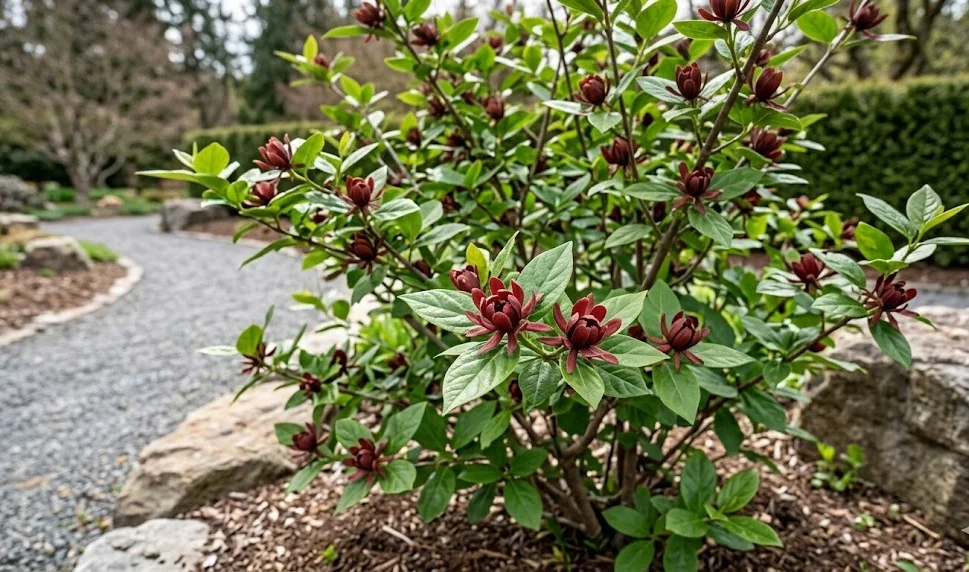
This shrub typically grows to a significant height and width, often reaching up to four meters in ideal conditions. Its leaves are large, ovate, and provide a lush green backdrop for the striking flowers that appear in late spring. The blossoms themselves are deep red or burgundy and emit a scent that many describe as a blend of spice and fruit. Keeping these characteristics in mind helps in selecting the perfect spot within your agricultural layout.
Beyond its aesthetic appeal, the western spicebush plays a functional role in supporting local biodiversity and ecosystem health. It attracts various pollinators, including specific beetles that are drawn to its unique floral structure and scent. By including this plant in your collection, you contribute to a more vibrant and ecologically balanced outdoor space. It remains a favorite among those who appreciate plants that offer both visual and sensory delights.
Managing this shrub requires a professional approach to ensure it does not become overgrown or lose its vigor. While it is generally hardy, it benefits from consistent monitoring and tailored care throughout the different seasons. This article serves as a comprehensive guide for those who wish to master the cultivation of this fascinating plant. By following expert advice, you can ensure your spicebush remains a highlight of your garden for many years.
Environmental conditions for healthy growth
Selecting the right environment is crucial for the success of any professional gardening project involving the western spicebush. This plant thrives best in areas that mimic its natural riparian habitat, characterized by consistent moisture and partial shade. It is important to avoid locations where the soil dries out completely during the heat of the summer months. Providing a stable environment will reduce stress on the plant and promote a robust root system.
More articles on this topic
The soil composition should ideally be rich in organic matter to provide the necessary nutrients for vigorous growth. Loamy soils with a slightly acidic to neutral pH level are generally preferred by this species. While the plant enjoys moisture, the soil must still offer adequate drainage to prevent root rot in extreme conditions. Adding compost or leaf mold can significantly improve the quality of the planting site over time.
Temperature also plays a vital role in the long-term health of the spicebush during the growing season. It is remarkably adaptable but performs most consistently in temperate climates without extreme shifts in humidity. Protection from harsh, drying winds is recommended to prevent the large leaves from suffering mechanical damage or dehydration. Observing the microclimate of your garden will help you determine if additional windbreaks are necessary.
Spacing is another professional consideration that should not be overlooked when planning your landscape. Because the shrub can become quite wide, it needs enough room to expand without competing with neighboring plants for resources. A distance of at least three meters between specimens is often recommended for maximum airflow and light penetration. Proper spacing ensures that each individual plant can reach its full genetic potential in terms of size and beauty.
Seasonal maintenance and observations
A disciplined approach to seasonal maintenance will keep the western spicebush looking its best throughout the year. In early spring, the focus should be on preparing the plant for the upcoming growth spurt by clearing away debris. Monitoring the emergence of new buds provides valuable information about the plant’s overall health and vitality. This is also the perfect time to evaluate the soil moisture levels as the temperatures begin to rise.
More articles on this topic
As the summer progresses, the primary task for any gardener is to manage the hydration of the shrub during dry spells. The large foliage surface area means that transpiration rates can be quite high on hot afternoons. Mulching the base of the plant with organic materials helps to retain moisture and keep the roots cool. Regular inspections for any signs of stress or wilting will allow for quick interventions before permanent damage occurs.
Autumn brings a shift in the plant’s requirements as it prepares for the dormant winter period. The leaves will often turn a subtle yellow or golden hue before they eventually drop to the ground. This natural cycle is an important part of the plant’s life and should be allowed to proceed without interference. Cleaning up fallen leaves can help prevent the buildup of pathogens that might overwinter in the organic matter.
During the winter months, the shrub remains dormant and requires very little active maintenance from the gardener. However, it is a good time to inspect the branch structure for any damage caused by heavy snow or ice. Planning for the next year’s care routine can be done during this quiet period in the garden calendar. Taking notes on the previous year’s performance will help you refine your professional techniques for the future.
Nutritional balance and soil health
Providing the correct balance of nutrients is essential for maintaining the deep green foliage and vibrant blooms of the spicebush. Organic fertilizers are often the best choice as they release nutrients slowly and improve the overall soil structure. A balanced application in the spring can provide the energy needed for the primary flowering period. Avoid over-fertilizing, as this can lead to excessive leafy growth at the expense of floral development.
Soil testing is a professional practice that can provide deep insights into the specific needs of your planting site. By understanding the mineral content of the earth, you can apply targeted amendments rather than generic solutions. If the soil is too alkaline, sulfur-based products might be necessary to bring the pH back to an optimal range. Regular testing every few years ensures that you are always working with the most accurate information.
The role of beneficial microbes in the soil should not be underestimated when caring for this native shrub. Healthy soil is a living ecosystem that helps the plant absorb water and minerals more efficiently. Avoiding harsh chemical pesticides in the root zone will help preserve these tiny allies and promote long-term resilience. Encouraging a natural biological balance is often more effective than relying solely on synthetic interventions.
Consistency is key when it comes to managing the chemical environment around the roots of the spicebush. Sudden changes in soil salinity or nutrient concentrations can cause leaf burn or stunted growth. It is better to apply smaller amounts of fertilizer more frequently than to provide one large, concentrated dose. This gradual approach mimics the natural nutrient cycling found in the wild habitats of the species.
Growth patterns and structural integrity
The growth habit of the western spicebush is naturally multi-stemmed and somewhat upright when young. As it matures, it develops a more spreading and rounded canopy that can provide significant shade. Understanding this transition is important for managing the visual impact of the plant within a larger garden design. Professional pruning can help guide this growth, but the plant’s natural form is often considered its most attractive feature.
Strong branches are necessary to support the weight of the large leaves and the dense clusters of flowers. Ensuring that the plant receives adequate light from all sides will prevent it from becoming leggy or leaning in one direction. If the shrub is grown in too much shade, the wood may become weak and prone to breaking during storms. Balancing light levels is therefore a structural as well as an aesthetic requirement.
Root development is equally important for the stability of the shrub, especially in areas with loose or sandy soil. A deep and wide-reaching root system provides the anchor needed to withstand environmental pressures. Avoiding frequent shallow watering will encourage the roots to grow deeper into the earth in search of moisture. This robust foundation is the secret to a long-alived and healthy specimen in any professional landscape.
Over time, older stems may lose their productivity and should be evaluated for potential removal. This natural aging process is part of the plant’s life cycle and can be managed through thinning. By removing the oldest wood, you allow younger and more vigorous shoots to take their place. This strategy keeps the shrub looking youthful and ensures a consistent display of flowers every single year.
Ecological impact and garden benefits
Incorporating the western spicebush into a garden design offers numerous ecological benefits beyond simple ornamentation. Its flowers provide a rare source of nectar and pollen during the transition from spring to summer. Many beneficial insects rely on this resource to complete their life cycles in a changing environment. By planting this shrub, you are actively participating in the conservation of local insect populations.
The dense foliage of a mature spicebush also provides excellent cover and nesting sites for small birds. In a professional agricultural setting, these birds can act as natural pest controllers by eating harmful insects. This creates a self-sustaining cycle that reduces the need for human intervention and chemical treatments. The presence of wildlife adds an extra layer of interest and life to any professional garden space.
Furthermore, the plant’s ability to stabilize soil on slopes or near water features makes it a functional tool for land management. Its extensive root system helps prevent erosion and improves the water-holding capacity of the landscape. Using native plants for these purposes is a sustainable practice that aligns with modern environmental standards. It is a perfect example of how beauty and utility can coexist in a single species.
Finally, the aromatic nature of the leaves and wood provides a sensory experience that few other shrubs can match. Even when not in bloom, the plant releases a subtle, pleasant scent when the leaves are brushed or bruised. This makes it an ideal choice for planting near walkways or seating areas where people can enjoy its fragrance. The western spicebush truly appeals to all the senses, making it a masterpiece of the natural world.
Professional tips for long term success
Achieving long-term success with the western spicebush requires patience and a keen eye for detail. Do not be discouraged if the plant grows slowly during its first few years in the ground. It is focusing its energy on establishing a strong root system before it begins to expand its canopy. Once fully established, the growth rate will increase significantly, and the plant will become much more self-sufficient.
Keep a detailed log of your observations, including flowering dates and any weather events that affected the plant. This record-keeping is a hallmark of professional gardening and provides a baseline for future comparisons. It allows you to identify patterns and adjust your care routine based on real-world evidence rather than guesswork. Over time, you will develop a deep understanding of how the spicebush reacts to your specific local conditions.
Be prepared to adjust your management strategy as the shrub grows and the surrounding garden matures. Neighboring trees may cast more shade than they did initially, or soil conditions may change due to nearby construction. A flexible and proactive approach will help you navigate these changes without compromising the health of the plant. Constant learning is an essential part of the journey for any dedicated horticulturist or garden enthusiast.
Always source your plants from reputable nurseries to ensure they are free from diseases and true to the species. Starting with healthy, high-quality stock is the best way to avoid problems later in the plant’s life. If possible, choose plants that have been grown in conditions similar to those in your own garden. This simple step can significantly improve the survival rate and overall performance of your new western spicebush.