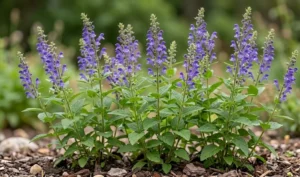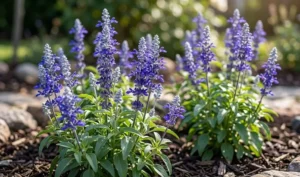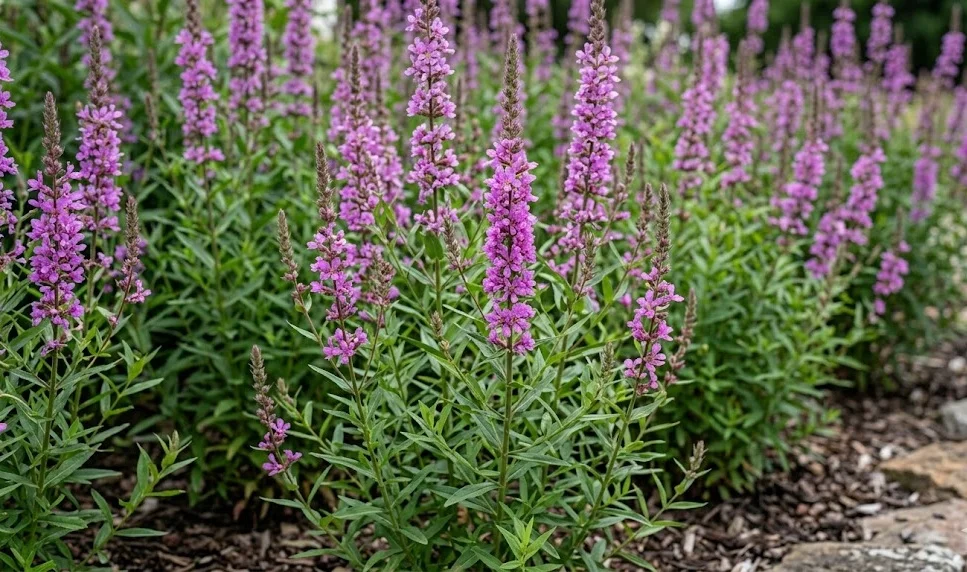

Wand loosestrife is a highly adaptable perennial that can bring a sense of vertical elegance to many garden styles with its bright flower spikes. Achieving the best results requires a thoughtful approach to its environment and a commitment to maintaining soil conditions that mimic its natural habitat. Most gardeners find that this species is relatively low maintenance once it has become established in a suitable location within the landscape. By paying attention to its specific needs throughout the growing season, you will be rewarded with a stunning display of color.
When you first introduce this perennial to your garden, it is vital to observe how it reacts to your specific microclimate. Every garden has its unique quirks, and what works in a coastal region might differ slightly from an inland valley’s requirements. You should take the time to check the soil moisture levels daily during the first few weeks after planting. This initial observation period allows the root system to establish itself without the stress of dehydration or waterlogging.
Maintaining a clean area around the base of the plant is another essential aspect of its general care routine. Removing weeds regularly ensures that the wand loosestrife does not have to compete for vital nutrients and water in the soil. Organic mulch can be a great ally in this process as it suppresses weed growth while retaining necessary moisture. A layer of high-quality compost applied in the spring can also provide a slow-release source of energy for the plant.
As the plant matures, you will notice that it develops a sturdy and upright habit that rarely requires staking or external support. The stems are naturally resilient and can withstand moderate wind without bending or breaking easily. However, if you live in an exceptionally windy area, placing it near a natural windbreak like a hedge could be beneficial. Proper spacing between plants also encourages good air circulation, which is a fundamental component of keeping the foliage healthy.
Creating the optimal soil environment
The foundation of a healthy plant is always the soil in which it spends its life cycle. Wand loosestrife prefers a medium that is consistently moist but possesses enough structure to allow for adequate oxygen flow. Heavy clay soils can be improved by adding organic matter to prevent them from becoming too compacted over time. Sandy soils, on the other hand, may need regular amendments of peat or compost to help them retain moisture more effectively.
More articles on this topic
Testing the pH of your garden beds can provide valuable insights into why a plant might not be reaching its full potential. This species tends to prefer a neutral to slightly acidic environment, which is common in many temperate garden settings. If your soil is excessively alkaline, you might consider adding sulfur-based amendments to bring the levels down. Understanding these chemical balances is a hallmark of a professional approach to horticulture and ensures long-term success.
Drainage is another critical factor that should never be overlooked when preparing your garden for new additions. While this plant loves moisture, standing water can lead to oxygen deprivation and eventually cause the roots to suffer. You can improve drainage in low-lying areas by creating raised beds or incorporating coarse sand into the planting hole. Observing how water moves through your garden after a heavy rain will help you identify the best possible locations.
Nutrient density within the soil will directly impact the vibrancy of the floral display you see in the summer. A soil rich in organic material often provides all the trace elements needed for the plant to thrive without excessive chemical intervention. You can supplement poor soils with a balanced granular fertilizer in early spring to give the growth a head start. Always follow the specific instructions on any soil amendment products to avoid over-concentration of minerals which can be harmful.
Seasonal maintenance routines
Spring is a time of rapid growth and high energy for almost everything in the garden, including wand loosestrife. As soon as the first green shoots appear, you should begin your regular monitoring for moisture and early season pests. This is also the ideal time to apply a fresh layer of mulch to protect the emerging roots from late frosts. Early intervention during this phase sets the stage for a successful and long-lasting blooming season.
More articles on this topic
During the height of summer, the primary focus of your care routine will shift toward hydration and aesthetic upkeep. The plant will be at its most thirsty during long stretches of heat and direct sunlight, requiring frequent checks. You may also want to remove spent flower spikes to keep the plant looking tidy and to encourage a second flush of smaller blooms. Summer is the time when the plant truly shines, making all your hard work in the previous months feel worthwhile.
As autumn approaches, the plant will naturally begin to slow down and prepare for its period of winter dormancy. You will notice the foliage changing color and eventually beginning to wither as the temperatures start to drop. It is generally best to leave the stems standing through the early fall to provide habitat for beneficial insects. Once a hard frost has occurred, you can then decide whether to cut the plant back or leave it for winter interest.
Winter maintenance is minimal but remains important for ensuring the plant returns with vigor in the following spring. In colder climates, a thick layer of straw or evergreen boughs can provide extra insulation against extreme temperature fluctuations. Check the area occasionally to ensure that the soil has not dried out completely during a particularly dry winter spell. Proper winter protection is a simple step that significantly increases the survival rate of your garden perennials.
Promoting healthy bloom cycles
The vibrant spikes of color are the main reason most people choose to grow this beautiful species in their beds. To maximize the flowering potential, you must ensure the plant receives enough energy through both light and nutrients. A well-nourished plant will produce taller and more densely packed flower spikes than one that is struggling in poor conditions. Consistent care throughout the year is the most effective way to ensure a spectacular display every single summer.
Deadheading, which is the practice of removing faded flowers, plays a significant role in extending the bloom period. By cutting off the old spikes before they go to seed, you signal the plant to put its energy back into new growth. This can often result in a much longer period of color in your garden, sometimes lasting until the very end of the season. It is a simple task that requires only a sharp pair of garden shears and a few minutes of your time.
The timing of your care activities can also influence how and when the flowers appear on the stems. Early spring fertilization provides the nitrogen needed for leafy growth, while phosphorus is essential for strong flower development. If you notice that your plant has plenty of green leaves but few flowers, you may need to adjust your nutrient balance. A professional gardener learns to read these signs and makes the necessary corrections to support the plant’s natural cycle.
Water availability during the bud formation stage is perhaps the most critical factor for a successful bloom. If the plant experiences drought stress while it is trying to produce flowers, the spikes may be shorter or less vibrant. Ensuring deep and consistent watering during this phase will help the plant reach its full aesthetic potential. Watching the weather forecast and adjusting your irrigation schedule accordingly will make a noticeable difference in the quality of the flowers.
Managing growth and spread
Wand loosestrife is known for its graceful and upright growth habit, which allows it to fit into tight spaces. Unlike some of its relatives, this species tends to stay in a neat clump rather than spreading aggressively through the garden. However, it is still a good idea to monitor its footprint to ensure it does not crowd out smaller or more delicate neighbors. Periodically thinning out the center of older clumps can help maintain a healthy and vigorous shape.
Managing the height of the plant is rarely necessary, as its vertical nature is one of its most desirable characteristics. If you find that the plant is growing taller than expected, you can pinch back the early growth to encourage a bushier form. This technique will result in more flower spikes, though they may be slightly shorter than if the plant were left to grow naturally. Experimenting with these methods allows you to tailor the plant’s appearance to your specific garden design.
Seed management is an important consideration for anyone who wants to maintain a tidy and controlled landscape. While this species is not as invasive as some others, it can still self-seed in the right conditions if the flowers are left to mature. Removing the flower spikes as soon as they begin to fade is the most effective way to prevent unwanted seedlings from appearing. This practice also keeps the garden looking more organized and professionally maintained throughout the year.
If you find that a plant has outgrown its allotted space, it is quite easy to relocate or divide it. The best time for this type of heavy maintenance is in the early spring before the new growth has fully emerged. By dividing the root ball into smaller sections, you can create new plants to use elsewhere or to give to friends. This renewal process also benefits the original plant by giving the roots more space to expand and breathe.
Integrating into diverse landscapes
The slender and colorful nature of this perennial makes it an ideal candidate for border plantings and cottage gardens. It works exceptionally well when planted in groups, creating a sea of color that moves gracefully in the summer breeze. You can pair it with other moisture-loving plants like hostas or ferns to create a lush and vibrant garden scene. Its height makes it a perfect choice for the middle or back of a mixed perennial border.
In more formal garden designs, wand loosestrife can provide a much-needed vertical element to break up low-growing shrubs. The contrast between its soft flower spikes and the structured lines of a formal hedge can be very visually appealing. It also performs well in large containers, provided they are kept well-watered and are large enough to accommodate the root system. This versatility is one of the reasons it remains a favorite among professional landscape designers.
Naturalistic or meadow-style gardens are perhaps the most fitting setting for this plant given its wild ancestry. It blends perfectly with ornamental grasses and other wildflowers to create a look that is both wild and sophisticated. Because it is so attractive to pollinators, it is a key component of any garden aimed at supporting local biodiversity. Planting it in a way that mimics its natural growth patterns will lead to the most authentic and pleasing results.
Rain gardens are another specialized area where this plant can truly excel due to its love for moisture. These gardens are designed to capture and filter runoff water, and this species can handle the temporary flooding that often occurs. Its strong root system helps to stabilize the soil and prevent erosion during heavy rain events. Using it in this context combines practical ecological benefits with high aesthetic value for your outdoor space.
Long term sustainability and health
Focusing on the long-term health of your plants is the mark of a truly dedicated and professional gardener. This involves looking beyond the current season and considering how your care practices affect the environment over many years. Using organic fertilizers and integrated pest management techniques helps to create a balanced ecosystem in your backyard. A healthy garden is more resilient to stress and requires less intervention from you in the long run.
Crop rotation is a concept usually reserved for vegetables, but giving your perennials a fresh start can also be beneficial. Every few years, you might consider refreshing the soil in your perennial beds with high-quality organic compost. This ensures that the soil remains alive with beneficial microbes that help the plants absorb nutrients more efficiently. Sustainable gardening is a journey of continuous learning and adaptation to the needs of your local environment.
Water conservation is an increasingly important topic for gardeners everywhere, even when growing moisture-loving species. Using drip irrigation or soaker hoses is a much more efficient way to water than using a traditional overhead sprinkler. This method delivers water directly to the roots where it is needed most and reduces the amount of evaporation. Mulching is another sustainable practice that significantly reduces the need for frequent irrigation during the hot summer months.
The ultimate goal of garden care is to create a space that brings joy and beauty while respecting the natural world. By following these professional care guidelines, you can ensure that your wand loosestrife remains a healthy and vibrant part of your life. Every small action you take, from choosing the right mulch to timing your pruning, contributes to the overall success of your garden. Gardening is a rewarding craft that allows you to connect with nature and create something truly special.