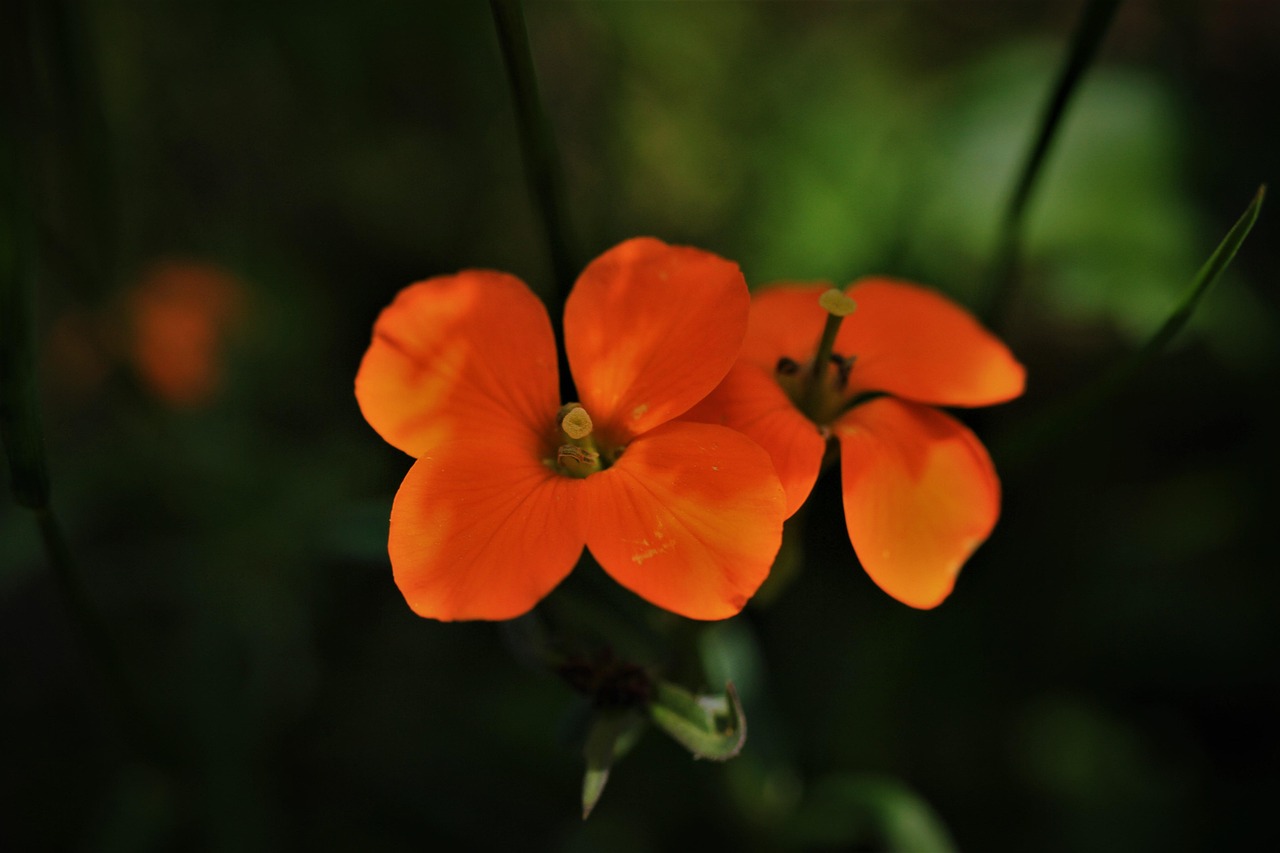

Wallflowers are highly prized for their vibrant colors and enchanting fragrance that signals the arrival of spring in many gardens. These hardy plants require specific attention to ensure they flourish throughout their growing cycle and provide the best visual display. Gardeners often appreciate them for their ability to provide early nectar for bees and other vital pollinators. Proper maintenance ensures that these plants remain healthy and produce a profusion of flowers for several weeks.
Finding the right location is the first step in successful wallflower management for any enthusiast. These plants thrive best when they are situated in a spot that receives plenty of sunlight throughout the day. While they can tolerate some light shade, full sun promotes the most robust flowering and strongest stems. Good air circulation is also beneficial to prevent moisture-related issues on the foliage during humid periods.
Soil quality plays a significant role in the overall health and vigor of the plant. Wallflowers prefer well-drained soil that is slightly alkaline or neutral to avoid root issues. If the soil is too heavy or retains too much water, the roots may suffer from rot or lack of oxygen. Adding organic matter or grit can improve the structure and drainage of clay-heavy garden beds effectively.
Regular monitoring of the plants helps in identifying any early signs of stress or nutrient deficiency. You should keep an eye on the leaves for any discoloration or wilting during the warmer months. Removing debris from around the base of the plant maintains a clean environment and prevents mold. This proactive approach reduces the likelihood of pest infestations taking hold in your garden space.
Soil health and drainage
Achieving the perfect soil balance is often the secret to a long-lasting and healthy wallflower display. These plants are quite sensitive to waterlogged conditions, which can lead to rapid decline. It is advisable to test the soil pH before planting to ensure it meets their specific needs. Well-aerated soil allows the roots to expand freely and absorb nutrients more efficiently throughout the season.
More articles on this topic
Organic amendments can transform a mediocre garden patch into a thriving environment for these beautiful flowers. Composted bark or well-rotted manure provides the necessary nutrients without overwhelming the delicate root systems. It is important to mix these materials thoroughly into the top layer of the soil. This preparation creates a stable foundation that supports the plant during its most active growth phases.
In areas with particularly heavy rain, raised beds can offer a practical solution for drainage problems. Elevating the planting area ensures that excess water moves away from the root zone quickly. This technique is especially useful in regions where spring weather tends to be unpredictable and wet. A well-constructed raised bed also allows for easier soil temperature regulation during the early spring.
Mulching around the base of the plants can help maintain a consistent moisture level while suppressing weeds. However, you must be careful not to pile mulch against the stems, as this can encourage rot. Using a thin layer of fine gravel or bark chips is often the best choice for this species. This simple step adds a professional touch to the garden while serving a functional purpose.
Climate adaptation and resilience
Wallflowers are known for their resilience, but they still benefit from protection against extreme weather conditions. Sudden late frosts can damage the tender new growth if the plants are not properly hardened off. Using horticultural fleece during exceptionally cold nights can provide a necessary buffer for the developing buds. Understanding the local microclimate helps in timing the maintenance tasks more accurately.
More articles on this topic
Wind protection is another factor that gardeners should consider when choosing a permanent site for these plants. High winds can snap the brittle stems, especially when they are heavy with fragrant flower clusters. Planting them near a low fence or among sturdier perennials can provide a natural windbreak. This structural support ensures the vertical beauty of the plant is maintained throughout the blooming season.
Humidity levels can influence how the foliage reacts to the surrounding environment over time. In very damp climates, it is essential to space the plants further apart to encourage airflow. This prevents the buildup of stagnant air, which often leads to fungal issues on the leaves. Keeping the area free from fallen leaves also contributes to a healthier growing environment.
Adapting your care routine to the changing seasons is vital for the long-term success of the flower bed. During unusually dry spells, the plants may require more frequent observation to prevent wilting. Conversely, in very wet years, you might need to improve surface drainage around the base. Flexibility in your gardening approach allows the wallflowers to thrive regardless of the specific weather patterns.
Companion planting strategies
Choosing the right neighbors for your wallflowers can enhance the overall beauty and health of the entire garden. Spring-flowering bulbs like tulips and narcissi are classic companions that create a layered visual effect. The varying heights and colors of these plants complement the bushy structure of the wallflower perfectly. This combination ensures a continuous and dynamic display of color from early to late spring.
Interspersing wallflowers with low-growing herbs can provide a functional benefit to the garden ecosystem. Plants like thyme or oregano can act as a living mulch, keeping the soil cool and moist. These herbs also attract beneficial insects that help control common garden pests naturally. This ecological approach creates a more balanced and self-sustaining environment for all your plants.
Using wallflowers as a backdrop for smaller, delicate flowers can create a sense of depth in the border. Their dense foliage provides a lush green canvas that makes the colors of smaller blooms pop. It is important to consider the mature size of all plants involved to avoid overcrowding. Proper spacing ensures that each individual plant has enough room to reach its full potential.
Avoid planting wallflowers near highly competitive species that might steal all the available soil nutrients. Highly aggressive groundcovers can sometimes smother the base of the plant if left unchecked. Selecting companions with similar water and light requirements makes the overall maintenance much easier for the gardener. A harmonious plant community leads to a more professional and aesthetically pleasing garden design.
Long term vitality and vigor
Maintaining the vigor of wallflowers over several years requires a bit of strategic planning and care. While many varieties are treated as biennials, some can persist longer with the right pruning. Removing the flower heads as soon as they begin to fade prevents the plant from exhausting itself. This simple act of maintenance keeps the plant focused on vegetative growth and root strength.
Soil depletion can happen over time, especially in beds that are heavily planted every year. It is a good practice to rotate the position of your wallflowers every few seasons if possible. This prevents the buildup of soil-borne pathogens that specifically target the brassica family. Refreshing the soil with new compost during these transitions helps maintain high nutrient levels.
Observing the growth patterns of older plants can tell you a lot about their current health status. If the stems become overly woody and the flowering decreases, it might be time to replace them. Starting with fresh, high-quality stock ensures that the garden remains vibrant and full of life. Many gardeners find that a mix of young and established plants provides the most consistent results.
Professional growers often use organic stimulants to boost the immune system of the plants during the growing season. Seaweed extracts or compost teas can be applied to the foliage or soil for an extra boost. These natural treatments provide trace minerals that are often missing from standard commercial fertilizers. A holistic approach to plant health results in more resilient and beautiful wallflowers.
Seasonal transitions and preparation
Preparing for the transition between the seasons is a critical phase in the life of a wallflower. As the heat of summer approaches, the plants may begin to look a bit tired after their spring display. Providing some afternoon shade during the hottest weeks can help extend their life significantly. Consistent moisture is also more important during these transitional periods to prevent heat stress.
Autumn is the perfect time to assess the performance of your wallflowers and plan for the next year. You can decide which varieties performed best in your specific soil and light conditions. This is also the window for planting out new seedlings that will bloom in the following spring. Early autumn planting allows the roots to become established before the ground freezes solid.
Cleaning up the garden beds at the end of the flowering season is more than just an aesthetic task. Removing old flower stalks and any yellowing leaves prevents the spread of diseases to new plants. It also makes room for summer-flowering perennials to take center stage in the garden border. A tidy garden is generally a healthier one, as it offers fewer hiding places for pests.
During the winter months, the plants enter a period of dormancy where they require very little intervention. However, it is still wise to check on them after heavy snow or extreme wind events. Clearing away heavy snow from the foliage can prevent the branches from breaking under the weight. This minimal effort during the cold months pays off with a spectacular show in the spring.
Sustainable gardening practices
Implementing sustainable methods in the care of wallflowers benefits both the garden and the local environment. Using rainwater collected in barrels is an excellent way to irrage your plants during dry spells. This water is usually at the perfect temperature and lacks the chemicals found in tap water. It is a simple step that reduces your environmental footprint while keeping your flowers happy.
Encouraging natural predators like ladybugs and lacewings can eliminate the need for chemical pesticides. By planting a variety of flowering species, you create a habitat that supports these helpful insects. Wallflowers themselves are excellent for attracting pollinators, which are essential for a healthy ecosystem. A diverse garden is naturally more resistant to large-scale pest outbreaks and diseases.
Using organic mulches like leaf mold or homemade compost improves soil health over the long term. These materials break down slowly, releasing nutrients and improving the soil structure naturally. This avoids the salt buildup that can sometimes occur with the heavy use of synthetic fertilizers. Healthy soil leads to healthy plants that are better able to defend themselves against stress.
Sharing seeds or cuttings with fellow gardeners is a wonderful way to promote plant diversity and community. It allows for the preservation of older or more unusual varieties that might not be available in stores. Learning from the experiences of others can also provide new insights into the best care practices. Gardening is a continuous learning process that is most rewarding when shared with others.