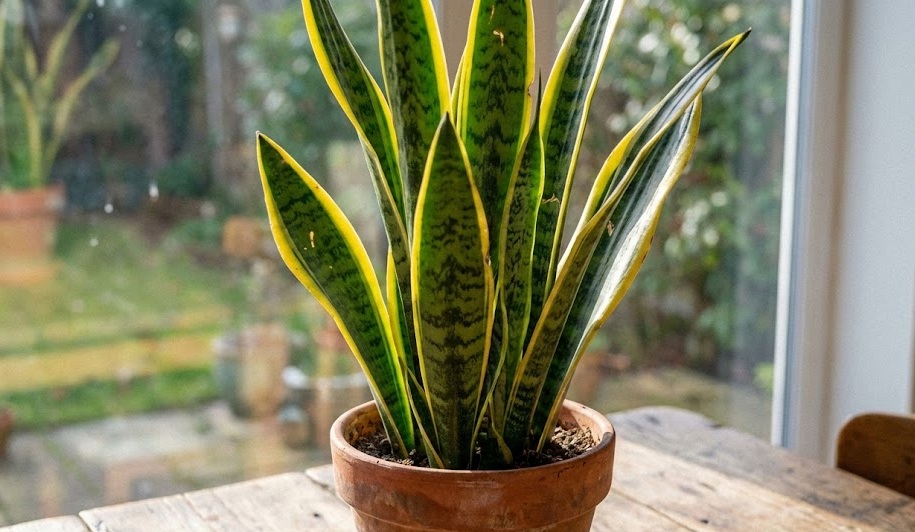

The variegated snake plant is one of the most resilient and visually striking indoor plants available to modern gardeners and enthusiasts today. You will find that its architectural form and vibrant yellow margins make it a perfect centerpiece for both minimalist offices and cozy home environments. Maintaining this plant does not require a degree in botany, but it does demand a fundamental understanding of its unique physiological needs. By following a few expert guidelines, you can ensure that your specimen remains healthy and continues to purify your indoor air for decades.
While many people categorize this plant as a set-it-and-forget-it species, providing optimal care will yield much better results in terms of growth and color vibrance. You should observe the leaves regularly to check for any signs of stress or dust accumulation that might hinder photosynthesis. A professional approach involves creating a stable environment where the plant can thrive without constant intervention. Remember that consistency in the environment is often more important than occasional intensive care sessions.
The structural integrity of the leaves is a direct reflection of the care the plant receives over several months. You will notice that healthy leaves stand upright and firm, showing off the characteristic dark green patterns and bright yellow edges. If the leaves begin to flop or lose their rigidity, it is usually a signal that something in the routine needs adjustment. Keeping a close eye on these subtle changes allows you to become a more intuitive gardener.
In the world of interior landscaping, this plant is valued for its ability to withstand neglect, yet it truly shines when given proper attention. You have the opportunity to cultivate a specimen that grows several feet tall, creating a dramatic vertical element in your space. This introductory phase of care is about establishing a bond with the plant and understanding its slow but steady pace of life. Professional success starts with acknowledging that this plant values stability above all else.
Ideal environmental conditions for growth
Creating the perfect atmosphere for your plant starts with temperature control and air circulation within your living space. You should aim to keep the room temperature between eighteen and twenty-seven degrees Celsius during the active growing season. Sudden drops in temperature can cause cellular damage to the leaves, leading to unsightly brown spots or mushy patches. It is vital to keep the plant away from cold drafts near windows or air conditioning vents during the peak of summer.
More articles on this topic
Humidity levels in most modern homes are perfectly adequate for this hardy species, as it originated in arid regions of Africa. You do not need to mist the leaves, as excess moisture sitting on the foliage can actually encourage fungal growth. Instead, focus on providing a clean environment where the air is not stagnant but also not overly turbulent. This balance ensures that the plant can breathe effectively through its stomata without losing too much moisture.
If you live in a region with particularly harsh winters, moving the plant slightly further away from glass panes can prevent cold shock. You might notice that the plant slows its growth significantly when temperatures dip, which is a natural response to the changing seasons. Providing a consistent thermal environment helps the plant maintain its metabolic processes at an efficient level. A stable home environment is the foundation upon which all other care routines are built.
Many experts suggest that the placement of the plant should be permanent rather than moving it frequently between different rooms. You should choose a spot where the light is consistent and the temperature does not fluctuate wildly throughout the day. When the plant becomes accustomed to a specific corner, its root system and leaf orientation will adapt to those specific conditions. This adaptation period is crucial for the long-term vitality of the variegated foliage.
Understanding the growth cycle and development
The variegated snake plant is known for its slow growth rate, which is a characteristic you must accept as part of its charm. You will not see new leaves appearing every week, but rather a gradual expansion of existing rosettes over several months. This slow metabolism is exactly what makes the plant so hardy and capable of surviving in low-light conditions. Patience is the most important tool in your gardening kit when dealing with this specific cultivar.
More articles on this topic
During the spring and summer months, you might see new shoots, often called pups, emerging from the soil near the base of the mother plant. These young additions are the primary way the plant expands its footprint within the container. You should allow these pups to grow until they are at least several inches tall before considering any form of separation. The development of these new shoots is a sign that your care routine is successfully meeting the plant’s needs.
In the winter months, the plant enters a period of dormancy where physical changes are almost imperceptible to the naked eye. You must respect this natural resting phase by reducing the amount of resources you provide to the plant. Forcing growth during the winter with excessive heat or light can sometimes lead to weak, leggy leaves that lack structural strength. Understanding the seasonal ebb and flow of the plant’s life is a hallmark of professional plant management.
Longevity is one of the greatest benefits of this species, as a well-cared-for specimen can live for thirty or forty years. You are not just growing a temporary decoration, but rather a long-term companion for your indoor environment. As the plant matures, the variegated edges often become more pronounced and the height increases significantly. This slow journey from a small pot to a large floor specimen is incredibly rewarding for any dedicated gardener.
Soil requirements and pot selection
Selecting the right growing medium is perhaps the most critical technical decision you will make for your plant’s health. You should always opt for a well-draining succulent or cactus mix that prevents water from sitting around the sensitive rhizomes. A heavy, peat-based soil will hold too much moisture and almost certainly lead to root rot over time. Adding perlite or coarse sand to a standard potting mix can significantly improve the drainage and aeration.
The material of the pot itself plays a significant role in how moisture is managed within the root zone. You might find that terracotta pots are ideal because the porous clay allows excess water to evaporate through the walls. If you prefer plastic or ceramic containers, you must ensure they have large drainage holes at the bottom. Never let the plant sit in a saucer full of water for more than an hour after a thorough watering session.
When it comes to size, this plant actually prefers to be slightly root-bound in a smaller container. You should resist the urge to move a small plant into a massive pot, as the excess soil will hold more water than the roots can absorb. A snug fit encourages the plant to put more energy into foliage growth and the production of new pups. Re-potting should only be done every two or three years when the roots begin to crack the container or push the plant upward.
Before placing the plant in its new home, ensure that the pot is clean and free of any pathogens from previous inhabitants. You should place a small piece of mesh or a large pebble over the drainage hole to prevent soil from washing out. This attention to detail during the potting process sets the stage for a healthy root system. A stable base is essential for a plant that can grow quite tall and top-heavy over time.
Daily maintenance and cleanliness
Keeping the leaves clean is a simple yet vital part of professional plant care that many people overlook. You should use a damp, soft cloth to gently wipe away dust from both the front and back of each leaf every few weeks. This process does not just make the plant look better; it allows the plant to photosynthesize and breathe more efficiently. Dust acts as a barrier to light and can harbor microscopic pests that thrive in neglected areas.
During your regular check-ups, you should also inspect the base of the plant for any fallen debris or dried organic matter. Removing dead bits of leaves or spent flower stalks prevents the buildup of mold or fungus in the soil. You want to maintain a clean surface to ensure that the air can reach the top layer of the potting medium. A tidy plant is generally a healthy plant because issues are caught much earlier during cleaning.
You should avoid using leaf shine products or oils that claim to make the foliage look more vibrant. These chemicals can clog the stomata and interfere with the natural gaseous exchange the plant needs to survive. The natural waxy coating of the variegated snake plant provides enough shine when it is kept free of dust. A natural approach to aesthetics is always preferred by professional horticulturists and agronomists.
While you are cleaning, take a moment to gently touch the leaves to gauge their hydration and firmness. You will eventually develop a feel for the plant’s needs just by the texture of its foliage. This tactile connection helps you move beyond a rigid schedule and into a more responsive form of care. Daily observation, even if it only takes a few seconds, is the secret to a thriving indoor garden.
Long term health monitoring and troubleshooting
Over the course of several years, your plant will face different challenges depending on the changing conditions of your home. You should be vigilant for any changes in leaf color, such as yellowing that isn’t part of the variegated pattern. If the center of the leaf begins to turn pale, it might be a sign of nutritional deficiency or improper lighting. Catching these signals early allows you to make minor adjustments before the plant’s health declines.
The base of the plant, where the leaves emerge from the soil, is the most sensitive area to monitor. You should check for any signs of softening or darkening which could indicate the onset of rot. If the plant feels loose in the soil, the root system may have been compromised by excess moisture. Professional monitoring involves checking the soil moisture levels deep in the pot, not just on the surface.
If you notice that the variegation is fading and the leaves are becoming solid green, the plant may be receiving too little light. While it can survive in the dark, it needs some brightness to maintain the beautiful yellow borders that characterize this variety. You can easily fix this by moving the plant to a brighter location, though you should do so gradually to avoid shock. Monitoring the aesthetic qualities of the plant is just as important as monitoring its biological health.
Finally, keep an eye on the growth pattern to ensure the plant is not leaning too heavily in one direction. You should rotate the pot a quarter turn every few weeks to ensure all sides receive equal exposure to the light source. This simple habit prevents the plant from becoming lopsided and helps it maintain its architectural balance. A proactive approach to health monitoring ensures that your variegated snake plant remains a stunning feature for many years.
Aesthetic considerations and placement in the home
The variegated snake plant is a versatile design element that can complement almost any interior style from traditional to ultra-modern. You should consider the height of the plant when choosing its location, as it can serve as a floor plant or a tabletop accent. Because of its vertical growth habit, it is particularly effective in narrow spaces where other spreading plants might struggle. Its bold colors provide a nice contrast against neutral walls or dark furniture.
In a bedroom setting, this plant is often praised for its ability to produce oxygen at night, unlike many other species. You might find that placing a specimen on a nightstand or in a corner creates a calming, natural atmosphere. The variegated edges catch the morning light beautifully, adding a touch of brightness to your waking environment. It is a practical choice for bedrooms because it requires so little maintenance during busy work weeks.
For those who enjoy a more maximalist aesthetic, grouping several snake plants of different sizes can create a lush, indoor jungle feel. You can play with different pot textures and colors to highlight the yellow margins of the variegated leaves. Mixing this plant with other succulents or trailing species creates a dynamic visual display that is easy to manage. The key is to find a balance between the plant’s needs and your personal design preferences.
Ultimately, the placement of your plant should reflect its role as a living sculpture in your home. You have the power to transform a dull corner into a vibrant focal point with just one well-placed variegated snake plant. As the plant grows and matures, it will continue to evolve along with your living space, becoming a true part of your home’s character. Treat it with respect, and it will reward you with beauty and clean air for a lifetime.