
Understanding the basics of growth
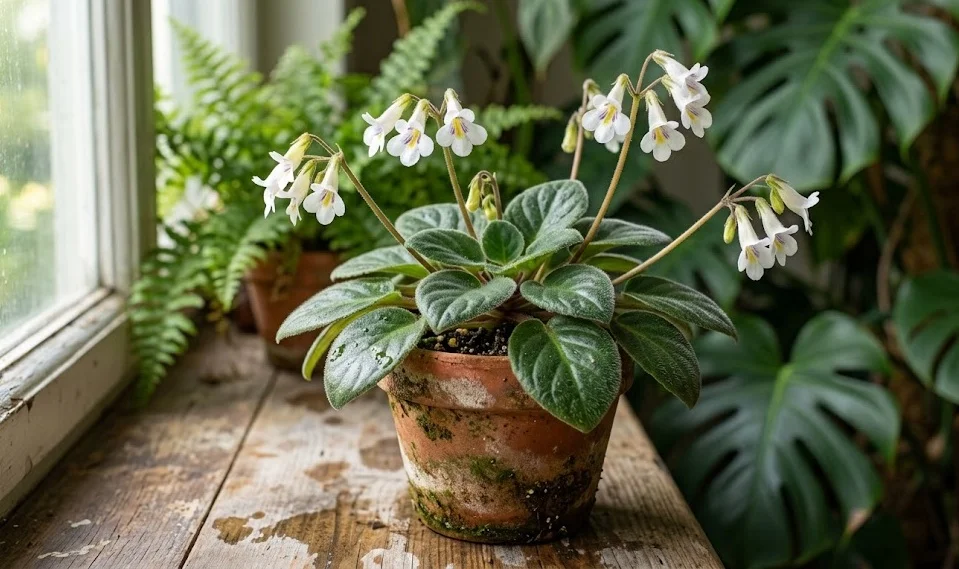
The care of the vietnamese primrose requires a delicate balance of attention and patience from any indoor gardener. These charming plants are known for their compact size and beautiful white flowers that bloom throughout the year. If you provide them with the right environment, they will reward you with a continuous display of foliage and blossoms. Understanding the specific needs of this species is the first step toward a successful growing experience.
Creating the perfect home for your plant involves mimicking its natural habitat in the humid forests of Asia. You should ensure that the ambient temperature remains consistent and avoid placing the pot in drafty areas. Sudden changes in the environment can cause the plant to drop its flowers prematurely. A stable and protected spot is always the best choice for long-term health.
The growth habit of this plant is quite similar to that of African violets, making it a favorite for tabletop displays. Its leaves grow in a tight rosette formation, which can be sensitive to moisture if not handled correctly. You must be careful when handling the plant to avoid breaking the brittle stems. A gentle touch is necessary whenever you are cleaning or moving your collection.
Professional growers often emphasize the importance of air circulation around the base of the plant. Stagnant air can lead to fungal issues, especially when the humidity levels are high. You might consider using a small fan to keep the air moving gently in your growing room. This simple step can significantly reduce the risk of common indoor plant ailments.
Temperature and environment management
Maintaining the correct temperature is vital for the physiological processes of this delicate flowering plant. It thrives in standard room temperatures, typically ranging between eighteen and twenty-four degrees Celsius. You should avoid exposing it to temperatures below fifteen degrees, as this can halt its growth entirely. Keeping it away from heat sources like radiators is also essential to prevent dehydration.
More articles on this topic
During the warmer summer months, you must ensure that the room does not become uncomfortably hot for the plant. Excessive heat can cause the leaves to wilt and the delicate flowers to scorch. If the temperature rises too high, you can move the pot to a cooler, shaded area of your home. Monitoring the microclimate near your windows is a habit every successful gardener should develop.
Nighttime temperatures should ideally stay slightly lower than daytime levels to mimic natural cycles. This cooling period encourages the plant to rest and prepare for the next day of photosynthesis. However, the drop should never be drastic enough to shock the root system. A steady and predictable cycle will lead to a much more resilient and vibrant specimen.
The humidity levels in your home play a significant role in the overall appearance of the foliage. While this species can adapt to average household humidity, it truly flourishes when the air is slightly damp. You can place the pot on a tray filled with pebbles and water to increase the local humidity. Just make sure the bottom of the pot does not touch the water directly.
Selecting the right soil medium
The composition of the soil is perhaps the most critical factor in preventing root issues. You should use a very light and airy mix that allows oxygen to reach the roots at all times. A combination of peat moss, perlite, and vermiculite is generally considered the gold standard for these plants. This mixture ensures that water drains quickly while retaining just enough moisture for the plant.
More articles on this topic
Heavy garden soil or standard potting mixes are often too dense and can suffocate the fine root hairs. If the soil stays too wet for too long, the plant will quickly succumb to crown rot. You can test the drainage by pouring a small amount of water on the surface; it should disappear almost immediately. Adjusting your mix with extra perlite can save a plant from a waterlogged fate.
The acidity of the soil should be slightly on the acidic side for optimal nutrient uptake. A pH level between six and six and a half is ideal for the vietnamese primrose. If the soil becomes too alkaline, the plant may show signs of chlorosis or yellowing leaves. You can occasionally use specialized fertilizers to help maintain the correct chemical balance.
Repotting should only be done when the plant has completely outgrown its current container. These plants actually prefer to be slightly root-bound, which often stimulates a more prolific flowering response. When you do repot, choose a container that is only one size larger than the previous one. This prevents the excess soil from holding too much moisture around the roots.
Humidity and air quality considerations
High humidity is the secret ingredient for producing those lush, velvety leaves we all admire. In dry apartments, especially during the winter heating season, the leaf edges might turn brown and crispy. You can mist the air around the plant, but never spray water directly onto the foliage. Water droplets sitting on the leaves can cause permanent spotting or even rot.
Using an ultrasonic humidifier is an excellent way to maintain a consistent environment for your collection. This device provides a fine mist that stays suspended in the air without soaking the surrounding surfaces. Your plants will respond with more vigorous growth and a deeper green color in their leaves. It is a worthwhile investment for any serious indoor gardening enthusiast.
The quality of the air is just as important as the moisture it contains. Avoid placing your primrose in areas where people smoke or where kitchen fumes are prevalent. These airborne pollutants can clog the pores of the leaves and hinder the plant’s ability to breathe. Fresh, clean air is a fundamental requirement for maintaining a professional-looking indoor garden.
Grouping your plants together can create a beneficial microclimate through collective transpiration. As each plant releases moisture, they help to humidify the air for their neighbors. This natural synergy makes it easier to care for a large collection of humidity-loving species. Just ensure there is enough space between them to allow for some air movement.
Routine maintenance and cleaning
Keeping the leaves free of dust is essential for the plant’s health and aesthetic appeal. Since the leaves are covered in fine hairs, they tend to collect dust more easily than smooth-leaved plants. You should use a soft, dry brush to gently sweep away any debris from the surface. Never use leaf shine products, as they can cause severe damage to the delicate tissue.
Regularly inspecting the plant allows you to catch any potential problems before they become serious. You should look under the leaves and at the center of the rosette for any signs of trouble. Removing dead or yellowing leaves as soon as they appear helps the plant focus its energy on new growth. It also keeps the overall appearance of the plant neat and professional.
Spent flowers should be removed promptly to encourage the production of new buds. This process, known as deadheading, prevents the plant from wasting energy on seed production. You can simply pinch the flower stalk at the base with your fingernails or use small scissors. This simple task ensures a much longer blooming season for your vietnamese primrose.
Rotating the pot every week ensures that the plant grows symmetrically rather than leaning toward the light. Even in well-lit rooms, the light source is usually stronger from one direction. A quarter turn every few days will result in a perfectly balanced rosette that looks great from every angle. This small habit makes a big difference in the long-term shape of the plant.
Adapting care to seasonal changes
As the seasons change, your care routine must evolve to match the plant’s natural rhythm. During the spring and summer, the plant is in its most active growth phase and requires more resources. You will notice more frequent flowering and a faster rate of new leaf production. This is the time to be most diligent with your watering and feeding schedule.
When autumn arrives and the days grow shorter, the plant’s metabolism naturally begins to slow down. You should reduce the frequency of watering and stop fertilizing during this period of transition. The plant needs this time to rest and recover from its long blooming season. Ignoring these natural signals can lead to stress and a weakened immune system.
Winter care is all about protection and maintaining a stable, albeit cooler, environment. You must be extra careful about cold drafts from windows or doors during this time. The plant’s water needs will be at their lowest, so always check the soil before adding more. It is a time for patience, as growth will be minimal until the spring returns.
Returning to a more active care routine in late February or March signals the start of a new cycle. You can start to increase the watering frequency slightly as you see the first signs of new growth. This is also the ideal time to check if the plant needs a larger pot or fresh soil. Following the natural flow of the year ensures a long and healthy life for your primrose.
Enhancing the longevity of your plant
A well-cared-for vietnamese primrose can live for many years and even become a family heirloom. The key to longevity is consistency and avoiding the “roller coaster” of extreme care. Try to keep your watering and feeding schedules as regular as possible throughout the year. Stability is the most important gift you can give to your indoor plants.
As the plant ages, the lower leaves may naturally die off, leaving a small “neck” or stem. You can easily fix this by repotting the plant slightly deeper or adding a bit of fresh soil to cover the stem. This encourages new roots to grow from the buried stem, rejuvenating the entire specimen. It is a simple technique used by professionals to keep old plants looking young.
Sharing the joy of this plant with others is part of the long-term gardening experience. You can easily propagate new plants to give away as gifts to friends and fellow enthusiasts. Having multiple specimens also acts as a safety net in case one plant encounters a problem. A community of growers is a great resource for sharing tips and experiences.
Never stop learning about the specific needs and varieties of the Primulina genus. New research and cultivation techniques are constantly being developed by horticultural experts. Staying informed helps you troubleshoot issues and try new methods to improve your plant’s health. Your dedication will be reflected in every beautiful bloom your plant produces.