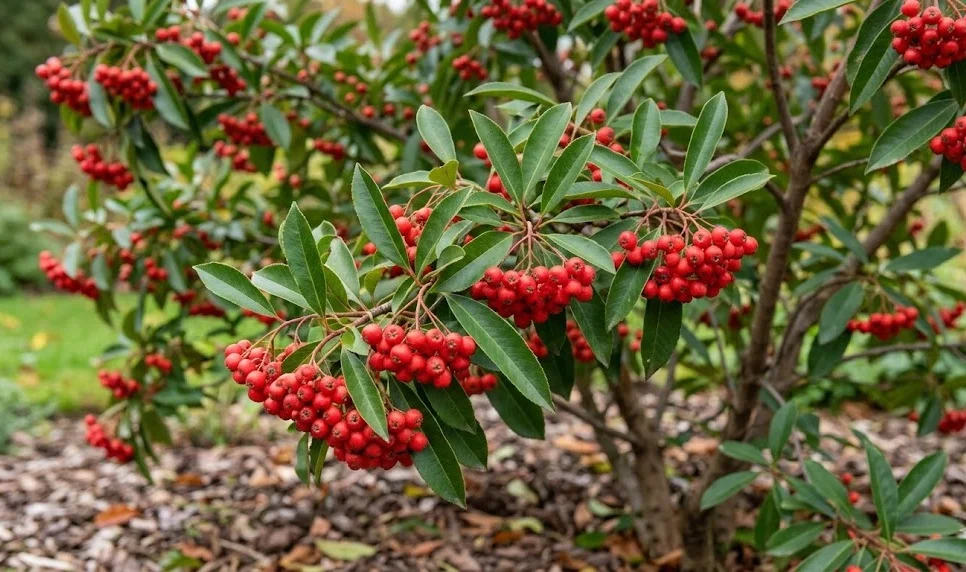

Providing proper care for this unique evergreen shrub ensures that your garden remains vibrant throughout the entire year. It is essential to understand that this species requires a specific balance of environmental factors to thrive in various conditions. By observing the plant closely, you can identify its immediate needs and adjust your maintenance routine accordingly. A consistent approach to gardening will result in a healthy and resilient specimen that enhances your landscape.
Effective monitoring is the first step toward successful cultivation for any experienced gardener. You should regularly check the undersides of the leaves for signs of stress or unwanted visitors. Changes in leaf color or texture can often indicate that the plant is reacting to its environment. Taking action at the first sign of a problem will save you significant effort in the long run.
Environmental stability plays a crucial role in the development of the foliage and root system. Large fluctuations in temperature or moisture can cause the plant to drop its leaves prematurely. You should strive to create a microclimate that offers protection from harsh winds and extreme heat. A well-placed shrub will reward you with lush growth and beautiful seasonal colors.
The overall vitality of the plant is directly linked to how well you manage its surrounding area. Removing weeds and debris from the base of the shrub helps prevent competition for vital resources. This practice also minimizes the risk of rot by ensuring that air can flow freely around the lower branches. Maintaining a clean garden environment is a fundamental part of professional plant care.
Essential environmental conditions
Choosing the right spot in your garden is the most important decision you will make for this shrub. It prefers a location where it can receive adequate sunlight without being scorched by the midday heat. Proper placement ensures that the leaves maintain their characteristic deep green and red hues. You must consider the surrounding structures and how they might affect the local airflow.
More articles on this topic
Wind protection is often overlooked but remains a critical factor for the health of the branches. Strong gusts can dry out the leaves and cause physical damage to the delicate new growth. Planting near a fence or a taller group of trees can provide the necessary shelter. This defensive positioning allows the plant to focus its energy on upward and outward expansion.
Temperature management is particularly important during the transitional periods of spring and autumn. While the plant is relatively hardy, sudden frosts can damage the tender shoots that appear early in the season. You should be prepared to provide temporary cover if the forecast predicts a sharp drop in temperature. Understanding the local climate patterns will help you anticipate these needs effectively.
Humidity levels also influence how the foliage transpires and interacts with the atmosphere. In very dry regions, you might need to mist the leaves occasionally to simulate a more natural environment. Conversely, in very damp areas, ensuring proper spacing between plants is vital for preventing moisture-related issues. Striking the right balance will result in a much more robust and attractive specimen.
Soil and ground preparation
The foundation of a healthy plant always begins with the quality of the soil it inhabits. You should aim for a medium that is rich in organic matter and has a slightly acidic to neutral pH. Testing the earth before you begin any major work will provide you with a clear roadmap for amendments. This scientific approach ensures that you are not adding unnecessary chemicals to your garden.
More articles on this topic
Drainage is perhaps the most critical physical property of the ground for this specific species. Waterlogged roots will quickly lead to decline and may eventually cause the plant to fail entirely. If your garden has heavy clay, you should consider incorporating sand or grit to improve the texture. Creating a porous environment allows the roots to breathe and expand without restriction.
Nutrient availability is enhanced when you incorporate well-rotted compost or manure into the planting area. These organic additions break down slowly over time, providing a steady supply of food for the shrub. You should mix these materials thoroughly with the existing earth to avoid creating layers of different densities. This preparation creates a welcoming environment for the young roots to establish themselves.
Mulching the surface of the soil provides several benefits that contribute to long-term success. A thick layer of bark or straw helps to retain moisture during the hot summer months. It also acts as an insulating blanket that protects the underground parts of the plant from freezing temperatures. Regularly replenishing the mulch will suppress weed growth and improve the appearance of the garden.
Long term maintenance routines
Maintaining a regular schedule for garden tasks ensures that nothing is overlooked during the busy growing season. You should dedicate a few minutes each week to inspecting the structural integrity of the branches. Removing dead or crossing wood helps to maintain a clean shape and promotes healthier growth patterns. Consistency is the secret to achieving a professional look in any agricultural or horticultural setting.
Soil health must be monitored even after the plant has reached maturity and established itself. Over time, the nutrients in the earth can become depleted, leading to a visible loss of vigor. You should consider top-dressing the area with fresh compost every spring to replenish the vital elements. This simple act supports the plant through its most active period of the year.
The interaction between the shrub and its neighbors should be managed to prevent overcrowding. As the plant grows, it may begin to shade out smaller species or compete too aggressively for space. You should be prepared to adjust the surrounding landscape to accommodate the changing dimensions of the shrub. A dynamic garden requires constant evaluation and occasional intervention to remain balanced.
Recording your observations in a gardening journal can provide valuable insights for future years. Note the dates when new growth appears and when the colors of the leaves begin to shift. This data allows you to predict the needs of the plant with much greater accuracy. Professional gardeners often rely on such records to refine their techniques and achieve better results.
Seasonal adjustment strategies
As the seasons change, the physiological processes of the plant undergo significant shifts that you must support. In the spring, the focus should be on encouraging new growth through light feeding and careful monitoring. This is the time when the shrub is most active and requires the most attention from you. Being proactive during this phase sets the tone for the rest of the year.
Summer brings the challenge of heat and potential drought, which can stress even the hardiest plants. You must ensure that the moisture levels remain consistent without over-saturating the root zone. Providing shade during the hottest part of the afternoon can prevent the leaves from suffering from sunscald. Vigilance is necessary to keep the foliage looking its best during the peak of the season.
The arrival of autumn signals the time to slow down and prepare the shrub for its dormant phase. You should avoid any heavy pruning or late-season fertilization that might stimulate tender new growth. This growth would likely be damaged by the first hard frost, wasting the energy of the plant. Instead, focus on cleaning up the base and checking the status of the mulch.
Winter care is primarily about protection and ensuring the plant survives the coldest months intact. While there is little active growth, the evergreen leaves still require a certain amount of moisture. You should check the soil during dry spells to ensure that it has not completely dehydrated. Taking these small steps will ensure that the shrub emerges from winter ready to grow again.
Managing foliage health
The leaves are the most striking feature of this shrub, and keeping them healthy is a top priority. You should ensure that the plant receives enough light to develop the vibrant pigments that make it famous. Lack of light often results in dull colors and a sparse appearance that detracts from the garden. Balancing exposure with protection is a delicate art that you will master over time.
Dust and debris can accumulate on the surface of the leaves, hindering the process of photosynthesis. Occasionally rinsing the foliage with a gentle spray of water can keep the plant looking clean and fresh. This practice also helps to discourage certain pests that prefer dry and dusty environments. A clean plant is generally a much healthier and more resilient plant.
You should be aware of how the density of the foliage affects the internal environment of the shrub. If the center becomes too crowded, the lack of light and air can cause the inner leaves to turn yellow and drop. Strategic thinning allows the plant to maintain a lush appearance from the base to the tip. This technique ensures that every part of the shrub contributes to its overall beauty.
Nutrient imbalances are often first reflected in the appearance and texture of the leaves. Yellowing between the veins or brown edges can be a sign that something is missing from the soil. You should use these visual cues as a guide for your fertilization program. Addressing these issues early will prevent them from becoming more serious problems that affect the whole plant.
Root system development
A strong root system is the anchor that supports the entire structure of the shrub and provides it with sustenance. You should encourage deep rooting by watering less frequently but more thoroughly during the establishment phase. This forces the roots to grow downward in search of moisture, making the plant more drought-tolerant. A shallow root system leaves the shrub vulnerable to environmental extremes and physical instability.
Soil compaction is a common issue that can restrict the growth and function of the roots. You should avoid walking near the base of the plant to keep the earth loose and airy. If the ground has become hard, you can gently use a garden fork to create small holes for air to enter. Improving the structure of the soil will have a direct and positive impact on the growth above ground.
The transition from a container to the open ground is a critical time for the root system. You must ensure that the roots are spread out properly and not circling the base of the stem. Handling the root ball with care will minimize transplant shock and allow the plant to start growing immediately. Success in the first few months is largely determined by how well the roots adapt.
Mycorrhizal fungi can be added to the soil to create a symbiotic relationship with the roots. these beneficial organisms help the plant absorb water and minerals more efficiently than it could alone. Many professional horticulturists use these supplements to give their plants an extra advantage in competitive environments. Investing in the health of the soil biology pays dividends in the form of a stronger shrub.
Aesthetic growth management
The way you manage the growth of the shrub will determine its role and impact within your garden design. You can choose to let it grow into its natural, somewhat irregular shape for a more informal look. Alternatively, frequent shaping can turn it into a structured hedge or a focal point in a formal landscape. Your vision for the garden should guide every action you take with the plant.
The color transition of the leaves from red to green is one of the most celebrated features of this species. You can encourage more of the red new growth by performing light trimming at specific times of the year. This stimulates the dormant buds and brings a fresh burst of color to the exterior of the shrub. Understanding the growth cycle allows you to manipulate the appearance for maximum effect.
Spacing is an important consideration if you are planting several shrubs together to create a screen. You must leave enough room for each individual to reach its full potential without becoming stunted. Overcrowded plants will often lose their lower leaves and look thin at the base. Planning for the future size of the shrub is a hallmark of a professional garden designer.
Finally, you should always consider the overall balance and harmony of your garden when working with this plant. It should complement the other species in your collection rather than dominating the entire space. By carefully selecting companion plants, you can create a diverse and visually interesting environment. A thoughtful approach to gardening results in a space that is both beautiful and sustainable.