Care of the sweet chestnut

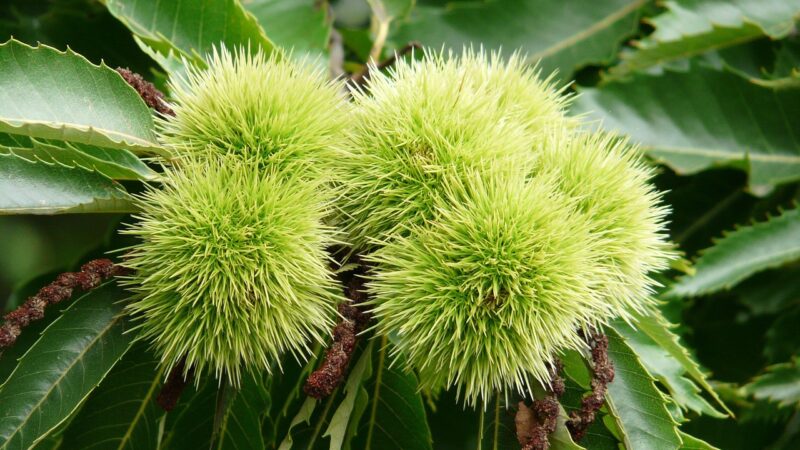
The sweet chestnut, a majestic tree renowned for its delicious nuts and valuable timber, requires thoughtful care to thrive and produce abundantly. Successful cultivation begins with understanding its fundamental needs, from site selection to long-term management. Providing the right conditions from the outset will reward you with a healthy, vigorous tree that can be enjoyed for generations. This involves a commitment to proper soil management, adequate spacing for its large canopy, and a proactive approach to its overall health and development throughout its long life.
Proper care extends beyond the initial planting phase and evolves as the tree matures. Young trees require protection and consistent moisture to establish a strong root system, while mature trees need attention to maintain their structure and productivity. The changing seasons also bring different care requirements, from ensuring adequate water during dry summer months to protecting the tree from harsh winter conditions. By embracing a holistic approach to its care, you can ensure your sweet chestnut reaches its full potential, becoming a stunning and productive feature in your landscape. This dedication to its well-being is crucial for preventing common problems and fostering a resilient tree.
Understanding the lifecycle of the sweet chestnut is fundamental to providing effective care at each stage of its growth. From a young sapling to a grand, nut-bearing giant, its requirements for nutrients, water, and light will shift. For instance, the nutritional needs for establishing strong woody growth in a young tree differ from those required to support heavy nut production in a mature specimen. Recognizing these developmental stages allows for more precise and effective interventions, whether it’s adjusting fertilizer application or modifying pruning techniques. This knowledge ensures that your care practices align perfectly with the tree’s current needs, promoting optimal health.
Ultimately, the relationship between the cultivator and the sweet chestnut is one of stewardship. This tree is a long-term investment, often outliving the person who planted it, so the care provided lays a foundation for the future. It’s about more than just following a set of rules; it’s about observing the tree, responding to its signals, and making informed decisions that support its natural growth patterns. This attentive and adaptive approach is the hallmark of a skilled grower and is the key to cultivating a magnificent and fruitful sweet chestnut tree that will stand as a testament to your efforts.
Site selection and soil preparation
Choosing the right location is the most critical first step in caring for a sweet chestnut tree, as it dictates its long-term health and success. These trees require a position that receives full sun for at least six to eight hours a day, as ample sunlight is essential for photosynthesis and, consequently, for robust growth and nut production. A south-facing or west-facing slope is often ideal, as it provides maximum sun exposure and also promotes good air circulation, which helps to reduce the risk of fungal diseases. You must also consider the tree’s ultimate size, as a mature sweet chestnut can reach heights of 20-30 meters with a similarly wide canopy, so ensure there is ample space away from buildings, power lines, and other trees. This foresight prevents future conflicts and the need for drastic pruning.
More articles on this topic
The soil composition is equally as important as the location, with sweet chestnuts demanding well-drained, deep, and slightly acidic soil. They are intolerant of heavy clay or waterlogged conditions, which can lead to root rot, a fatal disease for the species. The ideal soil pH ranges from 5.0 to 6.5; therefore, it is highly recommended to perform a soil test before planting. If the soil is too alkaline, you can amend it by incorporating elemental sulfur or acidic organic matter like pine needles or peat moss over time. Conversely, if the soil is too heavy, its structure can be improved by adding copious amounts of compost, leaf mold, or coarse sand to enhance drainage and aeration for the root system.
Proper soil preparation before planting is a non-negotiable task that pays dividends for the life of the tree. Once you have identified a suitable location, you should clear a wide area, at least one meter in diameter, of all weeds and grass that would otherwise compete with the young tree for water and nutrients. It is highly beneficial to dig this area over to a depth of at least 30-40 centimeters, breaking up any compacted layers and incorporating well-rotted manure or garden compost. This process not only enriches the soil with essential nutrients but also improves its texture, creating a friable and welcoming environment for the tree’s developing roots to penetrate deeply and establish themselves quickly.
Finally, consider the broader landscape and microclimate when selecting a site for your sweet chestnut. Avoid planting in frost pockets, such as low-lying areas where cold air tends to settle, as late spring frosts can damage the delicate flowers and severely impact nut production for the year. The site should also offer some protection from strong, prevailing winds, especially when the tree is young and more vulnerable to damage. Planting a windbreak of hardier shrubs or trees on the windward side can be an effective strategy if a naturally sheltered spot is unavailable. This careful consideration of the planting environment sets the stage for a thriving, productive tree.
Establishing young trees
The initial years of a sweet chestnut’s life are a critical period that determines its future vigor and structure. After planting, the most important task is to ensure the young tree receives consistent and adequate moisture, especially during its first two growing seasons. The soil should be kept evenly moist but not waterlogged; a deep watering once or twice a week during dry spells is far more effective than frequent, shallow sprinkling. This practice encourages the roots to grow deeper into the soil in search of water, making the tree more drought-tolerant as it matures. Applying a thick layer of organic mulch, such as wood chips or shredded bark, around the base of the tree will help conserve soil moisture, suppress weed growth, and regulate soil temperature.
More articles on this topic
Protection from physical damage is another key aspect of caring for a young sweet chestnut. The tender bark is highly susceptible to browsing by animals like deer and rabbits, which can girdle the trunk and kill the tree. Installing a sturdy tree guard or wire mesh cylinder around the trunk is an essential protective measure, especially in rural areas. It is also important to protect the tree from mechanical damage caused by lawnmowers or string trimmers, so maintaining a clear, mulched circle around the base is a practical solution. This buffer zone prevents accidental nicks and cuts to the bark that can create entry points for diseases and pests.
Formative pruning during the early years is crucial for developing a strong, well-balanced framework for the future. The goal is not to restrict the tree’s size but to guide its growth, establishing a clear central leader and well-spaced scaffold branches. This should begin in the second or third year after planting, focusing on removing any crossing, rubbing, or competing branches. You should also remove any low-hanging branches that could interfere with future access or maintenance. All pruning cuts should be made cleanly with sharp, sterile tools just outside the branch collar to promote rapid healing and prevent disease transmission.
Supporting the young tree’s nutritional needs will foster vigorous growth and a strong constitution. While the initial soil preparation provides a good start, young trees benefit from a balanced, slow-release fertilizer in the spring. A fertilizer formulated for trees and shrubs, or simply a generous top-dressing of well-rotted compost, will supply the necessary nutrients without encouraging excessive, weak growth. Avoid applying high-nitrogen fertilizers, as this can lead to lush foliage at the expense of root development and structural strength. Consistent care during this establishment phase is an investment that ensures the tree develops into a healthy, productive specimen.
Long-term structural care
As a sweet chestnut tree matures, the focus of care shifts from establishment to maintaining its structural integrity and health. The primary practice for achieving this is regular inspection and judicious pruning, which is best carried out during the dormant season in late winter or early spring. The main objectives of mature pruning are to remove any dead, diseased, or damaged wood, as this prevents the spread of decay and eliminates potential hazards. You should also thin out the canopy to improve air circulation and light penetration, which helps reduce the incidence of fungal diseases and promotes even ripening of the nuts throughout the tree.
Maintaining a strong central leader and a well-spaced branch structure remains important even in mature trees. Over time, some branches may become overly long and heavy, putting them at risk of breaking under their own weight, especially when laden with nuts or during storms. These branches should be shortened using a technique called reduction cutting, where the cut is made back to a sufficiently large lateral branch that can assume the terminal role. Avoid “topping” the tree at all costs, as this indiscriminate cutting practice creates weak, poorly attached new growth and opens the tree up to extensive decay. Proper structural pruning enhances the tree’s natural form and ensures its long-term stability.
Regularly inspecting the trunk and main branches is a vital part of long-term care. Look for any signs of trouble, such as cracks, cavities, fungal growths (conks), or areas of peeling or discolored bark. These can be indicators of internal decay or disease that may require professional assessment by a certified arborist. Early detection of structural weaknesses allows for timely intervention, such as cabling or bracing, which can support weak limbs and potentially save the tree from catastrophic failure. Do not ignore these warning signs, as a large, mature tree can pose a significant risk if its structure is compromised.
Finally, managing the area under the tree’s canopy contributes to its overall health and longevity. It is beneficial to maintain a layer of organic mulch over the root zone, which extends out to the dripline (the edge of the canopy). This mimics the natural forest floor environment, protecting the roots, conserving moisture, and gradually adding nutrients to the soil as it decomposes. Avoid deep cultivation or soil compaction within this critical root zone, as this can damage the sensitive surface roots and inhibit their ability to absorb water and nutrients. A healthy root system is the foundation of a structurally sound and resilient tree.
Nutrient management for mature trees
Once a sweet chestnut tree is established and begins to bear fruit, its nutritional requirements change, with a greater demand for elements that support flowering and nut production. While a healthy soil rich in organic matter is the best foundation, mature trees often benefit from supplemental fertilization to maintain their vigor and productivity. A soil test every few years is the most accurate way to determine specific nutrient deficiencies, allowing for a targeted fertilization program. This approach prevents the over-application of certain nutrients, which can be just as harmful as a deficiency and can negatively impact the environment.
Generally, a balanced fertilizer with a slightly higher proportion of phosphorus and potassium relative to nitrogen is ideal for nut-producing trees. Nitrogen is essential for leafy growth, but excessive amounts can reduce flowering and fruiting while promoting weak, succulent shoots that are more susceptible to pests and diseases. Phosphorus plays a critical role in energy transfer, root development, and flowering, while potassium is vital for overall plant health, disease resistance, and the development of quality nuts. The fertilizer should be applied in early spring as new growth begins, allowing the tree to utilize the nutrients throughout the growing season.
The method of fertilizer application is as important as the type of fertilizer used. For mature trees, the fertilizer should be spread evenly over the entire root zone, which typically extends from the trunk out to the dripline and slightly beyond. Avoid concentrating the fertilizer near the trunk, as this can burn the bark and major roots. After application, it is beneficial to lightly water the area to help the nutrients penetrate the soil and become available to the roots. Incorporating compost or well-rotted manure into the top layer of the soil is also an excellent way to provide a slow-release source of nutrients and improve soil structure simultaneously.
Observing the tree’s appearance can also provide clues about its nutritional status, although this should be confirmed with a soil test. For example, pale green or yellowing leaves (chlorosis) can indicate a nitrogen deficiency, while a purplish tint might suggest a lack of phosphorus. Stunted growth and poor fruit set can also be related to nutrient imbalances. By combining regular observation with periodic soil testing, you can fine-tune your nutrient management program to ensure the mature sweet chestnut has everything it needs to remain healthy, productive, and magnificent for many years to come.
Water management throughout the seasons
Water is a critical component of sweet chestnut care, and its needs fluctuate significantly with the seasons and the age of the tree. During the spring growing season, when the tree is actively producing new leaves, shoots, and flowers, a consistent supply of moisture is crucial for healthy development. While established trees have extensive root systems that can access deep soil moisture, prolonged dry spells in spring can cause stress, potentially leading to poor flower development and a reduced nut set. Therefore, it is important to monitor rainfall and provide supplemental deep watering if the soil begins to dry out, ensuring the water penetrates to a depth of at least 30-40 centimeters.
The summer months, particularly during the nut development phase from July to August, represent the period of peak water demand. Inadequate moisture during this time can result in smaller nuts or cause the tree to prematurely drop its developing fruit to conserve resources. During hot, dry weather, a mature sweet chestnut can lose hundreds of liters of water per day through transpiration. It is essential to provide deep, infrequent watering to replenish soil moisture, focusing the application around the tree’s dripline where the most active feeder roots are located. Using a soaker hose or drip irrigation system is an efficient method that minimizes water loss to evaporation.
As autumn approaches and the nuts begin to ripen, the tree’s water requirements gradually decrease. It is still important to avoid severe drought stress, which could affect the final quality of the nuts, but you should reduce the frequency of supplemental watering. Allowing the soil to dry out slightly can help to encourage the tree to enter dormancy naturally. Continuing to provide excessive water late into the season can stimulate new growth that will not have time to harden off before the first frosts, making it susceptible to winter damage. The goal is to ensure the tree is well-hydrated but not actively growing as winter approaches.
During the winter, a dormant sweet chestnut tree requires very little water, as its metabolic processes have slowed down considerably. In most climates, natural precipitation is sufficient to meet its needs. However, in regions with very dry winters and unfrozen ground, an occasional deep watering during a mild spell can be beneficial, particularly for younger trees, to prevent the roots from desiccating. It is crucial to avoid watering when the ground is frozen, as the water will not be able to penetrate the soil and may form ice around the base of the trunk. Proper water management tailored to the seasonal cycle is key to maintaining a healthy and productive tree.
Harvesting and post-harvest care
Harvesting sweet chestnuts is a rewarding culmination of a year’s worth of careful cultivation, and timing is key to ensuring the best quality nuts. The nuts are ready to be gathered when the spiny burrs, known as cupules, split open and fall from the tree, which typically occurs from late September through October. It is best to collect the fallen nuts every one or two days to prevent them from becoming mouldy or being eaten by wildlife. Wearing thick gloves is essential to protect your hands from the sharp spines of the burrs as you either pick them up from the ground or gently shake the branches to encourage ripe ones to fall.
Once collected, the nuts need to be separated from the burrs. Many will have already fallen out, but for those that remain enclosed, you can gently roll the burrs under a sturdy shoe to open them without crushing the nut inside. After extraction, it is important to inspect the nuts carefully and discard any that show signs of mould, insect damage (indicated by small holes), or shriveling. The quality of the harvest depends on this initial sorting process, as a single bad nut can spoil an entire batch during storage. Only the smooth, glossy, and firm nuts should be kept.
Proper curing and storage are essential for preserving the flavor and extending the shelf life of your sweet chestnuts. Freshly harvested chestnuts have a high moisture content and a starchy taste, so they need to be cured to convert some of that starch into sugar, which enhances their characteristic sweet, nutty flavor. To cure them, spread the nuts in a single layer in a cool, dry, and well-ventilated place for three to four days. After curing, they can be stored in the refrigerator in a perforated plastic bag for several weeks or even a few months, where the cool temperatures will further improve their sweetness. For longer-term storage, chestnuts can be frozen, either shelled or unshelled.
After the harvest is complete, a final phase of care for the tree itself is important to prepare it for winter and the following season. This involves a thorough cleanup of all fallen leaves, burrs, and any remaining nuts from around the base of the tree. This practice of good sanitation is crucial for disease and pest management, as it removes overwintering sites for fungal spores and insect larvae. A final deep watering before the ground freezes, especially after a dry autumn, will also help to ensure the tree is well-hydrated heading into the dormant period, setting it up for a healthy start the following spring.
Common issues and troubleshooting
Even with the best care, sweet chestnut trees can encounter a few common problems, and knowing how to identify and address them is key to maintaining a healthy tree. One of the most significant threats globally is chestnut blight, a fungal disease that causes cankers on the stems and branches, eventually girdling and killing them. While European varieties have some resistance, it is crucial to inspect your tree for sunken, discolored areas of bark or wilting branches. If blight is suspected, prune out the affected branches well below the canker, sterilizing your tools between each cut, and dispose of the infected material by burning it.
Another serious issue is ink disease, caused by a water mould called Phytophthora, which thrives in poorly drained soils. The symptoms include wilting and yellowing leaves, small nuts, and a black, ink-like seepage from the base of the trunk. Preventing this disease is far easier than curing it, which underscores the importance of planting in well-drained soil. If symptoms appear, improving drainage in the surrounding area by aerating the soil or installing French drains may help, but in advanced cases, the tree may not be salvageable. Always avoid overwatering and ensure the soil does not become waterlogged.
Pests can also affect sweet chestnut trees, with the chestnut weevil being a common culprit responsible for “wormy” nuts. The adult weevil lays its eggs in the developing nuts, and the larvae then feed on the kernel inside. To manage this pest, it is crucial to collect and destroy all fallen nuts and burrs promptly at the end of the season to interrupt the weevil’s life cycle. Maintaining a clean orchard floor removes the overwintering sites for the larvae, significantly reducing the population for the following year. Other pests, like aphids and gall wasps, may appear but typically cause more cosmetic damage and are less of a threat to the tree’s overall health.
Finally, environmental stressors can often mimic symptoms of disease, so it’s important to consider these factors when troubleshooting. Yellowing leaves, for instance, might not be a sign of disease but rather an indication of a nutrient deficiency, such as a lack of iron or manganese, which is common in alkaline soils. Similarly, leaf scorch, where the edges of the leaves turn brown and crispy, is often a result of insufficient water during hot, windy weather rather than a pathogen. By carefully observing the tree and its growing conditions, you can often diagnose problems accurately and implement the correct solution, ensuring your sweet chestnut remains a healthy and productive part of your landscape.