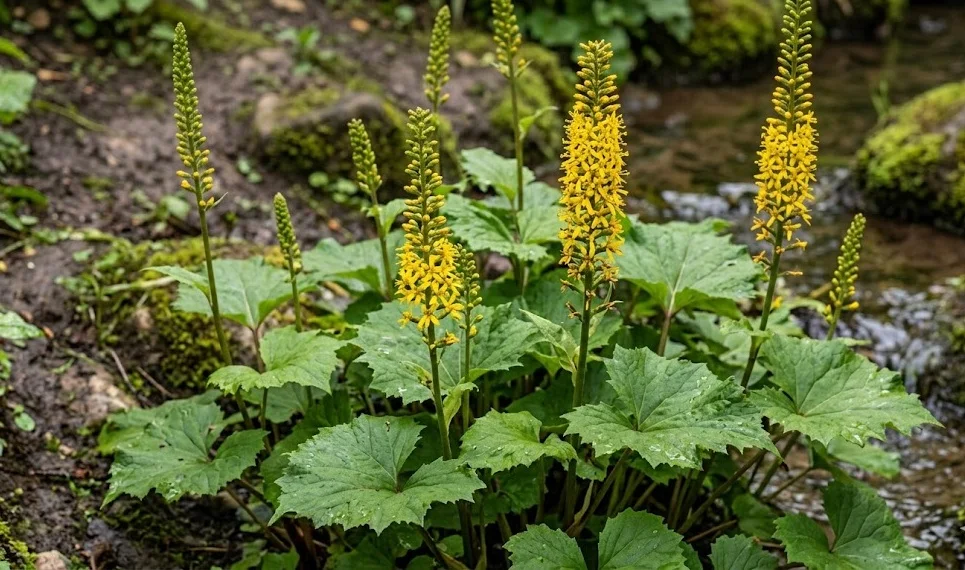

Maintaining the narrow-spiked ligularia requires a deep understanding of its preference for cool and moist environments. This striking perennial is a staple in shade gardens where its architectural foliage and towering yellow spikes can truly shine. To ensure its health, you must focus on recreating the damp woodland conditions where it naturally thrives throughout the year. Consistency is the primary factor in preventing the large leaves from wilting during the heat of the day.
Success with this plant begins with selecting a location that protects it from the harsh afternoon sun. The large surface area of the leaves leads to rapid transpiration, which can cause significant stress if the roots are dry. You should aim for a spot that receives morning light followed by deep shade in the hotter hours. Many gardeners find that planting near water features or in low-lying areas of the garden provides the necessary microclimate.
Soil preparation is another critical aspect that determines the longevity and vigor of your plants. These perennials demand heavy, moisture-retentive soil that is rich in organic matter to support their rapid growth. You can improve standard garden soil by incorporating generous amounts of well-rotted compost or leaf mold before planting. The goal is to create a substrate that stays damp like a sponge without becoming stagnantly waterlogged.
Seasonal maintenance routines should focus on preserving the humidity around the crown and protecting the foliage. During the peak of summer, you might need to mist the plants or increase ground-level moisture to counteract high temperatures. Removing spent flower stalks after the blooming period helps the plant redirect its energy toward root development and leaf production. Watching for signs of leaf scorch will allow you to adjust your shading strategies before permanent damage occurs.
Essential soil characteristics for health
The foundation of a healthy specimen lies in the physical and chemical properties of the earth beneath it. This plant prefers a slightly acidic to neutral pH range to absorb nutrients efficiently from the environment. Heavy clay soils can be beneficial because they hold onto water, but they must be amended to allow for some gas exchange. Without sufficient organic content, the soil may compact too tightly, which eventually restricts the expansion of the root system.
More articles on this topic
You can test the moisture retention of your soil by observing how quickly it dries after a heavy rain. If the ground feels dry to the touch within a single day, you likely need to add more organic bulk. Peat moss or composted bark are excellent additions for increasing the water-holding capacity of lighter soils. Applying these materials annually as a top dressing ensures that the nutrient levels remain high for the growing season.
Microbial activity in the soil also plays a significant role in the overall vitality of the plant. A living soil filled with beneficial fungi and bacteria helps break down organic matter into accessible forms of nitrogen. Avoiding harsh synthetic chemicals allows these natural processes to continue undisturbed in your garden beds. You will notice that plants in biologically active soil exhibit much deeper green hues and stronger structural integrity.
Root development is particularly sensitive to the temperature of the soil during the early spring months. Maintaining a cool root zone is vital, which is why thick mulching is often recommended as a standard care practice. The mulch acts as an insulator, preventing the sun from baking the ground and evaporating the necessary moisture. A layer of wood chips or cocoa shells can provide both functional benefits and an aesthetically pleasing finish.
Managing moisture levels effectively
Water management is the most demanding part of caring for this specific variety of ligularia. It is not enough to simply water the surface; the moisture must reach deep into the root zone to be effective. You should monitor the weather closely, especially during dry spells or periods of high wind that desiccate the leaves. Using a soaker hose or drip irrigation system is often the most efficient way to maintain the required saturation.
More articles on this topic
Wilting during the day is a common sight, but it does not always mean the soil is dry. Sometimes the plant simply cannot move water to its leaves as fast as the sun is pulling it out. If the leaves bounce back in the evening when the air cools, the moisture levels are likely sufficient. However, if the foliage remains limp at night, you must provide a deep soak immediately to prevent cellular collapse.
Rainwater is the preferred source for irrigation as it is free from the salts and chlorine often found in tap water. If you have a rain barrel, prioritize using that water for your moisture-loving perennials during the height of summer. The temperature of the water also matters, as icy water from a deep well can shock the plant on a hot day. Allowing the water to reach ambient temperature before application is a subtle but professional touch for better results.
Drainage should still be considered even for a plant that loves water as much as this one. While it enjoys boggy conditions, the water should ideally be moving or at least refreshed by the rain. Stagnant, anaerobic conditions can lead to the death of the smaller feeder roots over time. Ensuring there is a slow but steady percolation through the soil profile will keep the root system oxygenated and healthy.
Growth monitoring and support
As the plant matures throughout the spring, the rapid expansion of the foliage is a sight to behold. You should keep an eye on the emerging leaves to ensure they are not being crowded by aggressive neighbors. Providing enough space for air circulation between plants helps prevent the buildup of humidity that could lead to leaf issues. A well-spaced garden allows each individual spike to reach its full potential without competition for light.
The tall flower spikes may require some structural support if your garden is prone to strong winds. While the stems are generally sturdy, the weight of the golden blossoms can cause them to lean after a heavy summer rain. Using discrete bamboo stakes or specialized plant hoops can prevent the stalks from snapping or trailing on the ground. It is best to put these supports in place early before the flower stalks reach their full height.
Color changes in the foliage can often be an early warning system for the gardener. Pale or yellowing leaves might indicate that the soil has become depleted or that the light is too intense. Conversely, very dark, lush growth suggests that the nitrogen levels are perfect and the moisture is adequate. Regular observation allows you to make small adjustments to your care routine before any major problems arise.
The transition from the vegetative state to the flowering phase requires a slight shift in how you monitor the plant. You will notice the central stalks emerging from the heart of the foliage as the days reach their maximum length. During this time, the plant’s demand for resources is at its peak, and any lapse in care will show in the flowers. Keeping the plant pampered during the budding stage ensures a long-lasting and vibrant floral display.
Adapting to local microclimates
Every garden has unique characteristics that will influence how your perennials grow over several seasons. You might find that a north-facing wall provides the perfect sanctuary from the sun in your specific geographic location. Understanding how the shadows move across your land throughout the day is essential for long-term success. Professionals often spend a full year observing a site before committing to a permanent planting scheme.
Wind protection is another factor that is frequently overlooked by novice gardeners in open areas. Strong gusts can tear the large, delicate leaves or cause them to lose moisture at an unsustainable rate. Planting near a hedge or a solid fence can create a windbreak that makes a significant difference in leaf quality. If your site is naturally breezy, you might need to increase your watering frequency to compensate for the drying effect.
The presence of large trees can create competition for both water and nutrients in the soil. While trees provide the necessary shade, their roots are often much more efficient at extracting moisture than the ligularia. You may need to provide supplemental irrigation specifically for the perennials planted under a canopy. Digging a slightly larger hole and lining it with a moisture-permeable barrier can sometimes help give the smaller plant a head start.
Humidity levels in your region will also dictate how much effort you must put into foliage care. In humid climates, the leaves stay turgid more easily, but you must be careful about fungal growth on the surface. In dry, arid regions, the plant may struggle even in full shade without a dedicated misting system. Learning to read your environment and adjusting your techniques accordingly is what separates an expert from a hobbyist.
Longevity and rejuvenation techniques
This variety is known for its longevity when established in the right environment and given proper care. However, like many perennials, the center of the clump can become woody and less productive after several years. You will notice that the newest and most vigorous growth occurs at the outer edges of the root mass. To keep the plant looking its best, periodic rejuvenation is necessary to maintain a youthful appearance.
Division is the most effective way to revitalize an aging specimen while also increasing your garden’s collection. This process is best handled in the early spring just as the first leaves begin to unfurl from the crown. By lifting the entire root ball and splitting it into several sections, you encourage the development of new, healthy roots. Each new division should have a healthy set of eyes or buds to ensure successful establishment in its new home.
After several seasons, you should also evaluate the soil structure around the base of the plant. Over time, the organic matter decomposes and the soil may settle or become slightly more compacted. Adding a fresh layer of high-quality compost around the crown every two years helps replenish the structure. This practice also provides a slow release of nutrients that supports the next cycle of intense spring growth.
Removing older, tattered leaves during the summer keeps the plant looking professional and clean. As new leaves emerge from the center, the older ones on the outside may naturally begin to decline or show signs of wear. Snipping these off at the base of the petiole encourages the plant to focus its energy on the fresh foliage. This simple maintenance task significantly improves the visual impact of the plant in a landscape setting.
Seasonal transition and expectations
As the growing season draws to a close, the plant begins to shift its energy back into the root system. You will notice the vibrant green of the leaves starting to fade into more muted tones as the first frosts approach. This is a natural part of the life cycle and signals that it is time to reduce supplemental watering. The goal at this stage is to allow the plant to harden off before the ground begins to freeze.
The autumn display can be quite beautiful as the foliage takes on deeper, earthier hues before collapsing. You should leave the foliage in place until it has completely died back to protect the crown from early cold snaps. Once the leaves are brown and brittle, they can be cleared away to prevent pests from nesting over the winter. Leaving the dead flower stalks can provide some winter interest and food for local birds.
Understanding the dormant period is vital so that you do not accidentally disturb the plant during the winter. Since it disappears completely underground, many gardeners mark the location with a small stake or label. This prevents digging in the area and damaging the resting crown before it emerges in the spring. Patience is required, as this variety is often one of the later perennials to wake up when the weather warms.
Looking forward to the next year, you can reflect on which care techniques worked best for your specific site. Perhaps the shading was perfect, but the watering could have been more consistent during the July heatwave. Every year provides new insights into the behavior of the narrow-spiked ligularia in your unique garden environment. Continuous learning and observation will eventually lead to a spectacular and effortless display of these golden spikes.