
Fundamental environmental requirements
The initial step in managing a mountain ash involves understanding its specific needs regarding the local microclimate and surrounding ecosystem. This tree thrives in regions where the air is cool and the soil remains consistently moist without becoming waterlogged or stagnant. Selecting a site that mimics its natural highland or forest-edge habitat will significantly reduce the amount of corrective care needed later on. A professional approach starts with evaluating how much space the canopy will eventually occupy to avoid future structural conflicts.
Providing sufficient room for the roots to expand is just as critical as the space provided for the branches above. Compaction in the surrounding soil can hinder the exchange of gases and the uptake of essential minerals. You should ensure that the area is free from heavy foot traffic or construction debris that might interfere with the tree’s health. Observing the natural drainage patterns of the chosen location helps in predicting how the specimen will respond during heavy rain seasons.
The atmospheric conditions of your garden play a vital role in the longevity and aesthetic appeal of the mountain ash. While these trees are remarkably hardy, they can struggle in urban heat islands where concrete surfaces radiate heat during the night. High humidity levels can sometimes lead to fungal issues if there is not enough air circulation within the garden layout. Designing the landscape to allow a gentle breeze through the foliage helps keep the leaves dry and reduces disease pressure naturally.
Understanding the symbiotic relationship between this species and the local wildlife can also guide your care decisions. Many beneficial insects and birds are attracted to the blossoms and berries, creating a self-sustaining miniature ecosystem. By maintaining a healthy environment, you encourage these natural helpers to manage minor pest populations on your behalf. Consistent observation of how the tree interacts with its environment provides the best cues for any necessary human intervention.
Soil management and structural needs
Soil quality is the foundation of any successful agricultural or horticultural project involving this specific deciduous species. It prefers a slightly acidic to neutral pH level, which allows for the optimal solubility of most essential macronutrients. If the soil is too alkaline, you might notice a yellowing of the leaves, a condition known as chlorosis. Conducting a professional soil test before the growing season begins is always a wise investment for long-term health.
More articles on this topic
The physical structure of the earth should be loamy and rich in organic matter to support the fibrous root system. Heavy clay soils can be improved by incorporating well-rotted compost or leaf mold to increase porosity and drainage. Conversely, very sandy soils may require the addition of organic bulk to help retain moisture during the drier summer months. Maintaining a balanced soil structure ensures that the tree can access water and air even during periods of environmental stress.
Mulching is a highly effective technique that serves multiple purposes in the professional care of a mountain ash. A layer of organic mulch helps to suppress weed competition which would otherwise steal nutrients from the tree. It also acts as an insulating blanket, keeping the root zone cooler in the summer and warmer during the winter. You should apply the mulch in a wide circle around the base, ensuring it does not touch the bark of the trunk directly.
Long-term soil health is maintained through the gradual decomposition of organic materials applied to the surface. This process encourages earthworm activity and promotes a healthy community of beneficial soil microbes and fungi. Avoid using heavy machinery near the dripline of the tree to prevent damaging the sensitive upper layers of the root system. A well-aerated soil environment is the primary defense against many common root-related physiological disorders.
Seasonal maintenance routines
Establishing a routine for seasonal checks allows you to stay ahead of any potential issues that might arise throughout the year. In early spring, the focus should be on cleaning up the area and preparing for the surge of new growth. This is the time to check for any winter damage or broken limbs that might have occurred during heavy storms. Starting the year with a clean slate ensures that the tree can direct all its energy into developing healthy new shoots.
More articles on this topic
Summer maintenance is largely centered on monitoring the moisture levels and the overall vigor of the foliage. During particularly hot spells, the tree may show signs of wilting or leaf scorch if the transpiration rate exceeds water uptake. Providing deep, infrequent watering is much more beneficial than light daily sprinkles which only wet the surface. You should also keep an eye out for early signs of pest activity while the weather is warm and conducive to insect life.
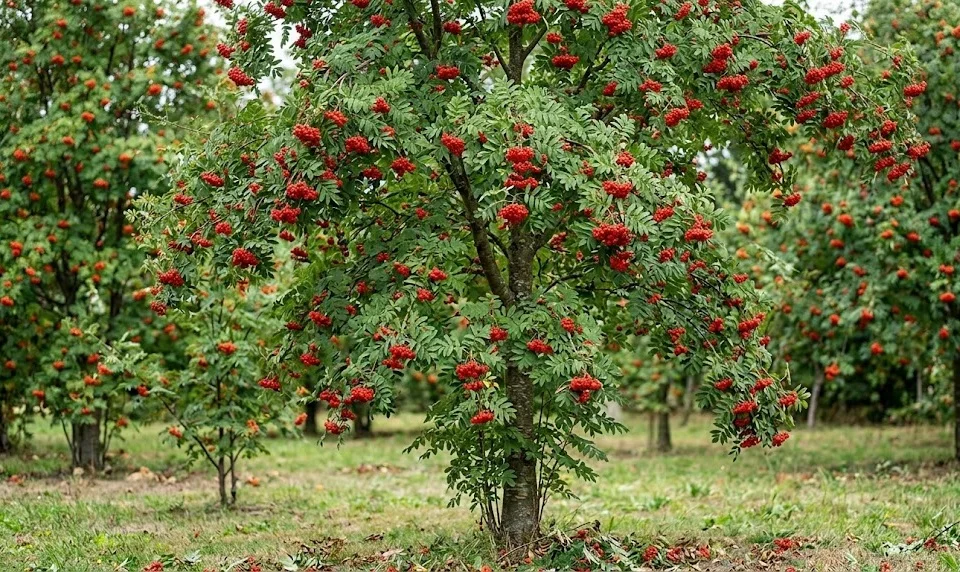
As autumn approaches, the mountain ash transitions into its most visually striking phase with ripening berries and changing leaf colors. This is the period to gradually reduce any supplemental nitrogen which could stimulate late-season growth that won’t harden off before frost. Raking away fallen leaves that show signs of spotting can help prevent diseases from overwintering in the soil. It is a time for reflection on the year’s growth and preparation for the dormant months ahead.
Winter is the time for structural observation and planning rather than active physical labor on the tree itself. With the leaves gone, the true form of the skeleton is revealed, making it easier to spot any crossing or rubbing branches. It is also the best time to check the trunk for any signs of mechanical damage or rodent gnawing near the base. Keeping the area around the trunk clear of tall grass can help minimize the hiding spots for these small animals.
Health monitoring and visual inspections
A professional gardener must develop a keen eye for the subtle changes in the appearance of the mountain ash. Healthy leaves should have a consistent color and a firm texture relative to their stage of development. Any sudden drooping or discoloration often serves as an early warning system for root stress or nutrient deficiencies. Frequent walks around the tree will allow you to catch these signals before they become significant problems.
The bark condition is another excellent indicator of the general well-being and age-related vitality of the specimen. Smooth, intact bark on younger trees suggests a healthy expansion, while cracks or oozing can indicate internal stress or pathogen entry. You should look for any vertical splits that might occur after a sudden cold snap followed by bright sunlight. Protecting the trunk from physical impacts, such as lawnmower strikes, is essential for maintaining the integrity of the bark.
Monitoring the development of flowers and fruit provides insight into the tree’s reproductive health and energy reserves. A lack of blossoms may indicate that the tree is under stress or that it received too much nitrogen at the expense of floral development. The presence of heavy fruit loads can sometimes weigh down branches, requiring temporary support or selective thinning. Observing the berries also tells you a lot about the local bird population and their interaction with your landscape.
Regularly checking the underside of the leaves is a habit every serious grower should cultivate to detect early pest colonies. Many insects prefer the sheltered environment beneath the foliage to feed and reproduce away from direct sun. If you spot clusters of eggs or sticky residue, you can take action before the infestation spreads to the entire canopy. Timely detection is often the difference between a simple mechanical fix and the need for more intensive treatments.
Long-term growth management
Managing the growth of a mountain ash requires a perspective that spans decades rather than just a single season. As the tree matures, its water and nutrient requirements will shift as it focuses more on maintenance than rapid expansion. You must be prepared to adjust your care strategies to match the changing physiological needs of an older specimen. A well-managed tree can remain a centerpiece of the landscape for many years if its growth is guided properly.
The structural integrity of the main limbs becomes increasingly important as the canopy reaches its full potential. Heavy crops of berries or accumulations of snow can put immense pressure on V-shaped crotches or weak attachments. Professional growers often look for ways to encourage strong, wide-angled branches that can better distribute mechanical loads. Sometimes, thinning the interior of the canopy is necessary to allow light to reach the lower branches and keep them productive.
Evaluating the surrounding landscape as it grows alongside the mountain ash is also a critical part of long-term management. Nearby trees may begin to cast shade that was not present when the mountain ash was first planted. You might need to prune neighboring plants to ensure your tree continues to receive the light it needs to thrive. The competition for root space also increases over time, requiring more careful monitoring of soil moisture and fertility.
As the tree reaches the later stages of its life cycle, the focus shifts toward preserving its dignity and safety. Monitoring for signs of decay or hollow sections in the main trunk becomes a priority to prevent branch failure. While some level of senescence is natural, proactive care can extend the functional life of the tree significantly. Respecting the natural aging process while ensuring the tree remains a safe part of the environment is the mark of a true expert.
Biodiversity and ecosystem benefits
The mountain ash is more than just an ornamental plant; it is a vital component of a healthy garden ecosystem. Its white spring flowers provide a rich source of nectar for bees, hoverflies, and other essential pollinators. By including this tree in your landscape, you are actively supporting the local insect population which in turn helps your entire garden. A diverse insect community is the best natural defense against outbreaks of harmful pest species.
The vibrant red or orange berries are a critical food source for numerous bird species, especially during the late autumn and winter. Birds like thrushes and waxwings rely on these high-energy fruits to survive the colder months or to fuel their migrations. The tree provides both food and nesting sites, making it a hub of avian activity throughout the year. This interaction creates a dynamic and lively environment that is rewarding for any nature lover to observe.
Integrating the mountain ash with other native plants can further enhance the ecological value of your property. Underplanting with shade-tolerant perennials or spring bulbs creates a multi-layered habitat that supports various life forms. The leaf litter from the tree also contributes to the local soil food web as it decomposes and returns nutrients to the earth. Every part of the tree, from the roots to the canopy, plays a role in the local environmental cycle.
By choosing to grow this species, you are contributing to the preservation of a plant that is deeply rooted in regional biodiversity. Professional land management often emphasizes the importance of using species that are well-adapted to the local climate and fauna. This reduces the need for chemical inputs and creates a more resilient landscape that can withstand environmental fluctuations. The mountain ash stands as a testament to the beauty and functionality of native flora in a managed setting.
Tools and equipment for maintenance
Having the right tools is essential for performing maintenance tasks safely and effectively on your mountain ash. A high-quality pair of bypass pruners is the most basic requirement for removing small twigs and spent flower heads. For larger branches, a sharp pruning saw will make clean cuts that heal much faster than those made with dull equipment. You should always keep your blades clean and sharp to prevent the spread of pathogens between plants.
A sturdy ladder and long-reaching pole pruners are necessary for accessing the higher parts of the canopy without damaging the tree. Safety should always be your first priority when working above ground level, so ensure your equipment is in good repair. For soil work, a garden fork is often better than a spade as it minimizes the risk of slicing through important roots. Investing in professional-grade tools makes the work easier and leads to better results for the health of the tree.
Measuring tools, such as a pH meter or a soil moisture probe, can take the guesswork out of your daily care routine. Knowing the exact conditions of the soil allows you to apply water and amendments with scientific precision. A simple rain gauge in the garden can help you track natural precipitation and determine if supplemental irrigation is actually needed. These data-driven insights are the hallmark of a professional approach to arboriculture.
Cleaning and disinfecting your tools after each use is a critical step that should never be overlooked in a professional setting. Rubbing alcohol or a diluted bleach solution can be used to wipe down blades after working on a tree that shows signs of disease. This simple practice prevents the accidental transfer of bacteria or fungi to healthy parts of the plant or to other specimens. Proper tool maintenance not only protects your investment in the equipment but also safeguards the long-term health of your entire garden.