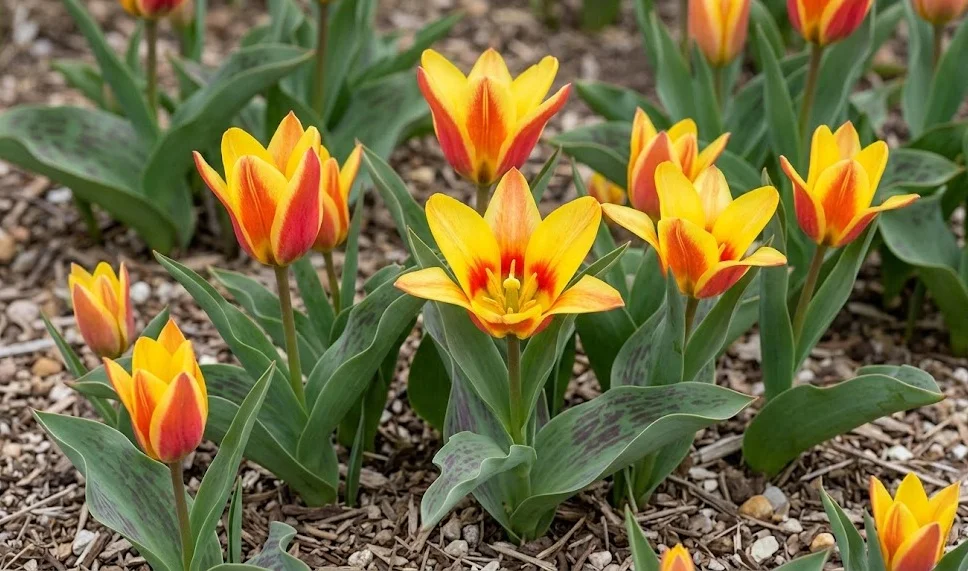

Maintaining the kaufmann tulip requires an understanding of its unique botanical cycle and environmental preferences. This early-blooming species is prized for its ability to naturalize and return year after year with minimal intervention from the gardener. Success begins with selecting a site that mimics its native Central Asian mountain habitat, emphasizing sharp drainage and full exposure. By following a structured care routine, you can ensure these vibrant flowers remain a highlight of the early spring landscape.
Cultivating these tulips involves more than just planting bulbs and waiting for the flowers to emerge in March. You must monitor the soil temperature and moisture levels closely as the first green shoots break through the ground. A consistent environment allows the plant to develop the strong stems and broad, mottled leaves that define the variety. Professional gardeners often observe that these plants respond best to a “hands-off” approach once the basic requirements are met.
Proper care also includes protecting the delicate blossoms from late-season frosts or heavy spring rains that can damage the petals. While the species is notably hardy, extreme weather shifts can occasionally stress the plant during its peak blooming period. Providing a wind-sheltered location can prevent the short stems from leaning or snapping during spring storms. Maintaining the health of the foliage after flowering is equally critical for the long-term vitality of the bulb.
The overall longevity of a kaufmann tulip colony depends on how well the surrounding soil is managed throughout the year. Avoid planting them in areas where heavy summer irrigation is common, as the bulbs require a dry period to mature properly. If the soil becomes too compacted or waterlogged, the health of the entire plant will rapidly decline. Vigilance during the transition from active growth to summer dormancy is the hallmark of an expert gardener.
Understanding soil requirements
The foundation of kaufmann tulip health is a soil structure that facilitates rapid drainage while providing essential minerals. These plants thrive in loamy or sandy soils that do not hold excess water around the bulb’s basal plate. If your garden has heavy clay, you must incorporate organic matter or grit to improve the aeration and drainage. Failure to address soil density often leads to bulb rot before the first flowering season is even completed.
More articles on this topic
The acidity of the soil should be kept within a neutral to slightly alkaline range for optimal nutrient uptake. You should perform a soil test to determine the pH levels before establishing a large-scale planting. If the soil is too acidic, a light application of garden lime can help balance the environment for the tulips. Maintaining the correct chemical balance ensures that the plant can access the trace elements necessary for vibrant petal coloration.
Organic matter plays a dual role in providing nutrients and improving the physical texture of the planting bed. Well-rotted compost or leaf mold can be mixed into the top layers of the soil to support microbial activity. This biological diversity helps break down minerals into forms that the tulip roots can easily absorb during the short spring window. However, avoid using fresh manure, as it can be too high in nitrogen and may burn the sensitive bulb tissues.
Compaction is a significant threat to the root systems of these low-growing tulips, especially in high-traffic garden areas. You should ensure that the planting site is not subject to heavy foot traffic or equipment weight that could crush the soil structure. Keeping the soil loose allows the roots to expand horizontally and vertically, seeking out moisture and stability. A healthy root system is the primary defense against environmental stressors like drought or sudden temperature drops.
Seasonal maintenance routines
As spring approaches, the emergence of the mottled foliage is the first sign that your maintenance routine should begin. You should clear away any lingering winter debris or heavy mulch that might obstruct the growth of the young shoots. This allows sunlight to reach the base of the plant and warms the soil, encouraging a uniform blooming schedule. Early intervention ensures that the tulips have an unobstructed path to the surface.
More articles on this topic
During the blooming phase, regular inspections are necessary to identify any physical damage or signs of nutrient deficiency. You should check the undersides of the leaves for early signs of pests that might take advantage of the succulent new growth. If a particular plant appears stunted, it may indicate a localized soil issue or a poorly positioned bulb. Addressing these minor problems early prevents them from spreading to the rest of the tulip colony.
Once the flowers have faded, the maintenance focus shifts from aesthetics to the physiological health of the bulb. You must allow the green leaves to remain on the plant until they have completely turned yellow and withered. This period of photosynthesis is when the bulb stores the energy required for next year’s floral display. Cutting the foliage too early is a common mistake that leads to weak flowers or total bulb failure in subsequent years.
In the autumn, a light top-dressing of bone meal or a specialized bulb fertilizer can be beneficial for established colonies. This provides a slow-release source of phosphorus that supports root development during the cool months of late fall. You should avoid high-nitrogen fertilizers at this stage, as they might trigger premature leaf growth before the winter sets in. Consistent autumn care prepares the bulbs for the dormancy period and the burst of energy needed in spring.
Managing the growth environment
The microclimate of your garden significantly influences how kaufmann tulips perform over several seasons. You should observe how shadows move across the planting site during the early spring months when the sun is low. A site that receives full sun in summer might be too shaded in March if there are nearby evergreen trees or structures. Adjusting the placement of taller perennials can help ensure the tulips receive the maximum possible light.
Temperature fluctuations are a natural part of the spring season, and these tulips are well-adapted to cool nights. However, if unseasonably warm weather occurs, the blooming period may be significantly shortened as the plants mature too quickly. You can mitigate this by ensuring the soil remains cool through the use of a very thin layer of light-colored mulch. Keeping the root zone at a stable temperature helps prolong the life of the individual flowers.
Air circulation is an often-overlooked factor in maintaining a healthy environment for these low-growing bulbs. You should space the plants far enough apart to allow wind to move through the foliage, reducing the humidity around the leaves. Poor air movement can lead to the development of fungal spores, especially during damp spring mornings. A well-ventilated site promotes rapid drying of the foliage after rain, which is essential for disease prevention.
The presence of competing root systems from large shrubs or trees can rob the tulips of both water and nutrients. You should avoid planting kaufmann tulips directly under the drip line of heavy-feeding trees like maples or oaks. If you must plant near large woody species, ensure you provide extra supplemental nutrition to compensate for the competition. Managing the underground environment is just as important as the visible conditions above the soil surface.
Protecting the foliage and stems
The leaves of the kaufmann tulip are not just functional but are also highly decorative, often featuring distinct purple or brown stripes. You should protect this foliage from mechanical damage caused by garden tools or pets roaming through the beds. Any tears or breaks in the leaves can serve as entry points for pathogens and reduce the plant’s photosynthetic capacity. Maintaining the integrity of the foliage is paramount for the long-term health of the bulb.
Slug and snail management is a critical part of foliage protection, especially during wet spring weather. These pests can quickly strip the leaves of a young tulip, leaving the bulb unable to store energy for the following year. You should use organic barriers or traps to keep these gastropods away from your prized kaufmann specimens. Regular evening inspections can help you catch and remove pests before they cause significant aesthetic or structural damage.
The stems of this species are relatively short and sturdy, but they can still be affected by extreme environmental conditions. You should avoid over-fertilizing with nitrogen, which can cause the stems to become soft and elongated, leading to flopping. A balanced growth habit is much more desirable for a plant that is meant to hug the ground in a rock garden or border. Keeping the stems strong and upright ensures the flowers are displayed at their best.
Late-season snowfalls are a common occurrence in many regions where these tulips are grown. While the plants are generally resilient, a heavy accumulation of wet snow can flatten the foliage and snap the developing flower buds. If a heavy storm is predicted, you can provide temporary protection using a light frost cloth or a ventilated plastic dome. Promptly removing the weight of the snow after the storm will help the plants recover their natural form quickly.
Long-term colony rejuvenation
Kaufmann tulips are known for their ability to persist in the garden for many years, but they may eventually become overcrowded. You will notice a decline in the size and number of flowers as the bulbs compete for space and nutrients within the cluster. Every three to four years, it is advisable to lift the bulbs and redistribute them to give each one room to expand. This rejuvenation process ensures that the colony remains vigorous and continues to produce high-quality blooms.
The best time to lift the bulbs is during the summer dormancy when the foliage has completely died back. You should dig carefully around the cluster to avoid slicing through the bulbs with a spade or fork. Once lifted, the bulbs can be separated by hand, and any damaged or diseased specimens should be discarded immediately. Replanting them into freshly amended soil will give the colony a significant boost in the coming spring.
Soil exhaustion can occur if tulips are grown in the exact same spot for a decade or more without intervention. You should consider rotating the location of your tulip beds or replacing a portion of the soil during the rejuvenation process. Adding fresh minerals and organic matter helps replenish the elements that the tulips have extracted over the years. A refreshed environment often results in a dramatic increase in the intensity of the petal colors.
Monitoring the overall health of the colony allows you to identify when the bulbs are shifting from a productive phase to a decline. You should keep records of the blooming dates and the number of flowers produced each year to track these trends. If the flowers begin to appear smaller or the foliage seems less vibrant, it is a clear signal that the colony needs attention. Proactive management is the difference between a fading garden and a thriving horticultural display.
Aesthetic integration in the garden
Integrating kaufmann tulips into a larger garden design requires a professional eye for color and timing. You should place these bulbs at the front of borders or in dedicated rock gardens where their low stature can be fully appreciated. Because they bloom so early, they are excellent for planting beneath deciduous shrubs that have not yet leafed out. This spatial planning ensures that the tulips receive early sun while the shrubs are still dormant.
Color coordination is another aspect of care that enhances the visual impact of your gardening efforts. You should select companion plants that bloom simultaneously, such as crocuses, scillas, or early-season hellebores. The contrasting textures of the tulip’s broad leaves and the finer foliage of other spring bulbs create a professional, layered look. Using a limited color palette can help create a sense of harmony and intentionality in the landscape.
The use of kaufmann tulips in containers is a popular choice for patios and entryways where they can be observed closely. You must ensure that the containers have excellent drainage holes to prevent the potting medium from becoming waterlogged. Pot-grown tulips require slightly more frequent monitoring of moisture levels, as containers dry out faster than the ground. A high-quality, grit-based compost is the best choice for maintaining the health of containerized kaufmann tulips.
Finally, consider the transition from the spring display to the summer garden to maintain a professional appearance. You can plant late-emerging perennials like hostas or hardy geraniums near the tulip bulbs to cover the yellowing foliage as it dies back. This “interplanting” strategy hides the unsightly phase of the tulip’s life cycle while providing a seamless transition between seasons. A well-designed garden accounts for the full life cycle of every plant, including the period of dormancy.