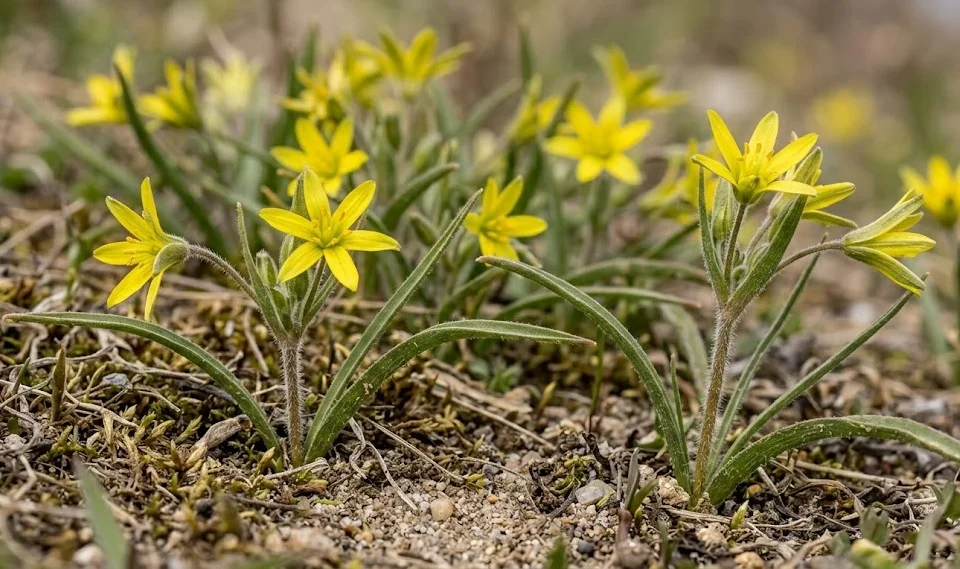

Maintaining the health of this delicate spring geophyte requires a deep understanding of its natural lifecycle and specific environmental preferences. To ensure that these plants thrive in a garden or managed agricultural setting, one must focus on recreating the loose, nutrient-rich conditions of their native habitats. Proper care begins with the recognition that this species is highly synchronized with the early spring season, appearing before most other flora. Consistent monitoring during its short vegetative period is essential for a successful and vibrant display every year.
The early spring appearance of these plants means that primary care activities are concentrated in a very narrow window of time. Since the species completes its flowering and seeding process quickly, gardeners need to be proactive in managing the surrounding environment before the leaves emerge. It is often beneficial to mark the locations where the bulbs are buried during the dormant season to avoid accidental disturbance. This proactive approach ensures that the delicate shoots can penetrate the soil surface without encountering physical barriers or compacted earth.
Soil health is perhaps the most critical component of long-term care for this particular species in any professional landscape. The plants generally prefer a substrate that is rich in organic matter but retains a certain level of grittiness to facilitate drainage. Regularly incorporating well-composted leaf mold can provide the necessary nutrients without the risks associated with heavy synthetic fertilizers. Professional growers often find that maintaining a slightly alkaline to neutral pH level supports the most vigorous growth and flowering cycles.
Weed management is a significant challenge when caring for such low-growing spring ephemerals that can easily be overwhelmed by aggressive neighbors. Early season weeding is necessary to prevent grasses and other perennials from competing for light and soil nutrients during the peak growing phase. However, one must exercise extreme caution when removing weeds manually to avoid damaging the shallow bulb systems. Applying a thin layer of fine organic mulch can help suppress weed seeds while still allowing the star-of-Bethlehem to emerge freely.
Understanding the growth cycle
The growth cycle of this species is remarkably rapid and follows a strict seasonal pattern that dictates all maintenance schedules. In late winter, the bulbs begin to stir beneath the surface as soil temperatures start to rise slightly above freezing. Professional horticulturists must observe these subtle shifts to ensure that the site is clear of debris and ready for the first green tips. Understanding this timeline allows for better planning of any necessary soil amendments or protective measures.
More articles on this topic
Once the foliage appears, the plant focuses all its energy on photosynthesis and the development of the distinctive yellow blooms. This period of active growth usually lasts only a few weeks before the plant enters its reproductive phase. During this time, the leaves must be kept healthy and free from obstruction to maximize energy storage in the bulb. Any damage to the foliage at this stage can significantly reduce the plant’s ability to survive the upcoming dormant period.
After the flowering stage concludes, the plant begins to senesce and return its nutrients to the underground storage organs. It is a common mistake to remove the yellowing foliage too early for the sake of aesthetics in a garden bed. Leaving the leaves intact until they are completely withered and brown is vital for the continued health of the bulb. This natural process ensures that the plant has enough stored energy to survive the long summer and winter months ahead.
The dormant phase is just as important as the active phase, although it requires much less direct intervention from the gardener. During the hot summer months, the bulbs remain inactive deep within the soil, protected from the drying heat. Care at this stage involves ensuring the soil does not become excessively waterlogged, which could lead to bulb decay. Most professional cultivators suggest a “hands-off” approach during dormancy, provided the environmental conditions remain stable and within safe limits.
Optimal soil conditions
Creating the perfect soil environment involves balancing moisture retention with the need for high-quality aeration around the root zone. These plants are frequently found in loamy soils that have been enriched by natural processes over many years. In a garden setting, replicating this requires a mix of garden loam, coarse sand, and a significant portion of organic humus. This combination allows for a loose structure that the delicate roots can easily penetrate while seeking moisture.
More articles on this topic
The chemical composition of the soil should be monitored periodically to ensure that it remains conducive to healthy bulb development. A soil test can reveal if there are any significant deficiencies in essential minerals like potassium or phosphorus. While these plants are relatively hardy, they will display much better vigor if the soil is not depleted of its natural vitality. Adjusting the soil profile before the planting season is always more effective than trying to fix issues during active growth.
Drainage is a non-negotiable factor when it comes to the long-term survival of any bulbous species in temperate climates. If the soil remains saturated for extended periods, the risk of fungal infections and bulb rot increases exponentially. Incorporating inorganic materials like perlite or fine gravel into the planting hole can significantly improve the movement of water. This is particularly important in areas with heavy clay soils that tend to hold onto moisture for too long.
Surface texture also plays a role in how well the plants interact with their immediate surroundings and the atmosphere. A soil surface that is prone to crusting can prevent the tender shoots from emerging in the early spring months. Maintaining a friable surface through light cultivation or the use of organic top-dressings can mitigate this common horticultural problem. Professionals often recommend a light raking in the autumn to break up any compacted layers before the winter freeze begins.
Management of surrounding flora
In a professional agricultural or gardening context, the relationship between this species and its neighbors must be carefully moderated. Because it is a small plant, it is easily shaded out by larger perennials or shrubs that leaf out early in the year. Selection of companion plants should focus on species that have a later start or those that provide a very light, dappled shade. Maintaining a clear radius around the bulbs ensures they receive the maximum amount of sunlight available in early spring.
Ground covers can be particularly problematic if they form a dense, impenetrable mat over the area where the bulbs are planted. While some low-growing mosses can be compatible, aggressive creepers like ivy or certain types of clover should be kept at a distance. If these plants begin to encroach on the territory of the star-of-Bethlehem, they should be trimmed back significantly in the late autumn. This creates a window of opportunity for the bulbs to emerge and flower without having to fight for space.
Native meadow management often involves a delicate balance of mowing and grazing to keep the competition at a manageable level. In a garden setting, the same effect can be achieved through careful hand-trimming of surrounding grasses and decorative plants. The goal is to minimize the biomass that accumulates on top of the soil, which can harbor pests or create excessive shade. A clean environment during the late winter months is the best gift a gardener can give to these small flowers.
Sometimes, the introduction of beneficial companion plants can actually help the health of the bulb colony over time. Plants that fix nitrogen or those that have deep taproots can improve the overall structure and fertility of the soil in the vicinity. However, these companions should be chosen so that their peak activity does not overlap with the short growing season of the bulbs. Strategic planting allows for a diverse ecosystem that supports the specific needs of each individual species within the bed.
Monitoring and observation
Regular observation is the hallmark of a professional approach to caring for any specialized plant species in a managed landscape. During the spring, a daily walk-through can help identify the very moment the first green shoots appear through the soil. This allows for immediate action if there are signs of frost damage or if pests have started to target the new growth. Keeping a garden journal with dates of emergence and flowering can provide invaluable data for future management decisions.
Visual inspections of the leaves and flowers can reveal a wealth of information about the nutritional status and health of the colony. Discoloration, such as yellowing of the tips or unusual spotting, may indicate a soil imbalance or the presence of a localized pathogen. Catching these issues early often means that simple cultural adjustments can be made before the problem becomes widespread. Professionals look for uniformity in growth and color as a primary indicator of a healthy and thriving population.
The density of the plant colony should also be monitored every few years to ensure that the bulbs are not becoming overly crowded. If the plants start to produce fewer flowers or if the foliage appears stunted, it may be a sign that they need more space. Crowding leads to increased competition for nutrients and can make the colony more susceptible to diseases due to poor air circulation. Tracking the expansion of the colony helps in deciding when it is time to intervene with more active management.
Environmental factors such as unexpected weather patterns should be recorded alongside the plant’s physiological responses to those changes. For instance, an unusually dry spring might require supplemental watering that wouldn’t be necessary in a standard year. By correlating the health of the plants with the local climate data, a gardener can develop a more resilient care strategy. Professionalism in horticulture is built upon this foundation of consistent data collection and thoughtful analysis of the results.
Longevity and sustainability
Ensuring the long-term presence of these plants in a landscape requires a commitment to sustainable practices that respect the plant’s natural limits. Avoiding the use of harsh chemicals and over-fertilization helps maintain a healthy soil microbiome that supports bulb health. A sustainable approach focuses on building soil fertility naturally over many seasons rather than seeking instant, short-lived results. This ensures that the colony remains productive and beautiful for many decades to come.
Bulb health is best maintained by allowing the plants to complete their natural cycle without unnecessary human interference or stress. This means resisting the urge to move them frequently or to change their environmental conditions drastically once they are established. Stability is a key factor in the longevity of most geophytes, which adapt specifically to the microclimate of their chosen location. Respecting this stability allows the plants to build up significant energy reserves over many successful growing seasons.
Seed production should be encouraged if the goal is to expand the population naturally and ensure genetic diversity within the garden. While deadheading might be common for other garden flowers, leaving the seed heads to mature is beneficial for this specific species. Once the seeds are ripe, they can be allowed to fall naturally or can be collected and distributed to other suitable areas. This practice supports the natural regeneration of the colony and prevents it from becoming a stagnant group of clones.
Finally, the long-term success of the colony depends on the gardener’s ability to adapt to shifting environmental conditions over time. As the climate changes or the surrounding garden matures, the requirements of the site may also undergo significant shifts. Staying informed about modern horticultural techniques and ecological principles is essential for any professional tasked with plant care. A commitment to continuous learning ensures that the hairy star-of-Bethlehem remains a cherished part of the landscape.
Professional tools and techniques
Using the right tools is essential for performing care tasks without causing unintended damage to the sensitive bulbs or their delicate root systems. Small, hand-held weeding forks are often preferred over larger hoes for removing unwanted vegetation in the immediate vicinity of the plants. These tools allow for precise movements that minimize soil disturbance and protect the integrity of the underground organs. High-quality tools that are kept sharp and clean make the work more efficient and safer for the flora.
Soil testing kits or professional laboratory services are invaluable for understanding the hidden world beneath the surface of the garden beds. Knowing the exact levels of nitrogen, phosphorus, and potassium allows for the precise application of amendments when they are truly needed. Professional horticulturists rely on these data points to avoid the pitfalls of guesswork, which can often lead to over-fertilization. Accurate measurement is the first step toward creating a truly optimized growing environment for specialized species.
Mulching techniques must be applied with a degree of finesse to ensure they provide protection without hindering the growth of the star-of-Bethlehem. A fine-textured mulch, such as screened leaf mold or very old wood chips, is ideal because it does not create a heavy crust. The mulch should be applied in a thin layer that is just enough to retain moisture and suppress small weeds. Applying mulch at the right time, usually in late autumn, provides the best results for winter protection and spring emergence.
Recording technology, such as digital cameras or gardening apps, can be used to track the progress of the colony over multiple years. Visual documentation provides a clear record of how the plants are responding to specific care techniques or environmental changes. This visual history is a powerful tool for diagnosing long-term trends that might not be obvious during a single growing season. Combining modern technology with traditional horticultural skills represents the pinnacle of professional plant care in the modern era.