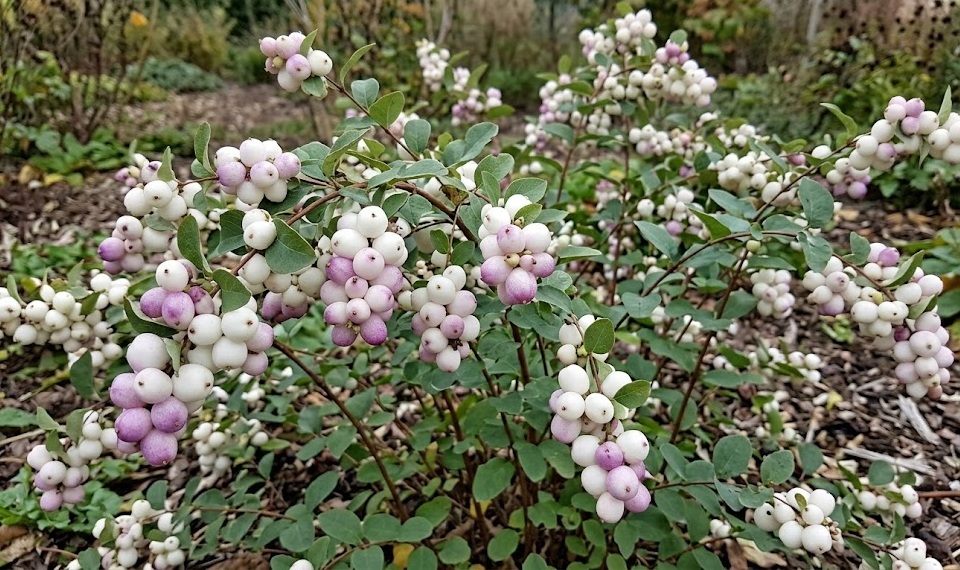

Maintaining the garden snowberry requires a blend of consistent observation and fundamental horticultural knowledge to ensure its unique white berries thrive. This deciduous shrub is prized for its ornamental value during the autumn and winter months when most other garden plants begin to fade. Success starts with understanding the specific environmental preferences that allow the plant to establish a robust root system and vibrant foliage. By paying close attention to the site conditions, you can create a sustainable foundation for several years of healthy growth.
Managing the soil composition is a critical aspect of long-term care for this particular species. Although it is relatively adaptable, it performs best in well-drained soil that retains a moderate amount of moisture without becoming waterlogged. You should regularly check the texture of the earth around the base to ensure it hasn’t become too compacted over time. Adding organic matter annually helps maintain the nutrient levels necessary for the shrub to produce its characteristic dense clusters of berries.
The structural integrity of the shrub depends heavily on how it is handled during its active growth phases. During the spring and summer, the plant focuses its energy on developing new shoots and maintaining its lush green leaves. It is important to monitor the density of the canopy to ensure that air can circulate freely between the branches. This preventative measure reduces the likelihood of fungal issues while encouraging the plant to put more energy into fruit production later in the season.
Observing the overall health of the shrub involves looking at the color and size of the leaves throughout the year. If the foliage appears pale or stunted, it may indicate a deficiency in the soil or an issue with the local microclimate. You should also keep an eye out for any suckers that might emerge from the base of the plant, as these can sap energy from the main structure. Removing these unwanted growths ensures that the shrub maintains its intended shape and remains aesthetically pleasing in your garden design.
Environmental conditions and site selection
The placement of the shrub within the garden layout significantly influences its overall vitality and berry yield. It thrives in positions that offer a balance between light and shade, though it is famously tolerant of more difficult spots. You should avoid areas that are prone to heavy frost pockets or standing water, as these can stress the root system. Choosing a location with some protection from harsh winds will also prevent the delicate branches from breaking during stormy weather.
More articles on this topic
Soil quality plays a secondary but equally vital role in how the plant settles into its environment. Ideally, the ground should be rich in humus and have a neutral to slightly acidic pH level for optimal results. If the local soil is naturally heavy clay, incorporating grit or sand can drastically improve the drainage properties. Testing the soil before the primary growing season begins allows you to make any necessary amendments to support the plant’s development.
The proximity of other plants should also be considered when planning the care routine for this shrub. It needs enough space to spread its branches without competing too aggressively for light or underground resources. Leaving a reasonable gap between the snowberry and neighboring perennials ensures that each plant has access to the nutrients it needs. This spatial awareness also makes it much easier to perform routine maintenance tasks like mulching or light weeding around the base.
Temperature fluctuations can affect the timing of the flowering and fruiting cycles each year. While the shrub is quite hardy, extreme heat during the summer months can lead to leaf scorch if the plant is not sufficiently hydrated. Conversely, a very mild autumn might delay the appearance of the berries that define the plant’s winter character. Understanding these natural rhythms helps you anticipate the needs of the plant and adjust your care strategies accordingly.
Nutritive support and soil enrichment
Providing the right nutrients at the correct intervals is essential for the sustained health of the snowberry. A balanced, slow-release fertilizer applied in early spring can give the plant the boost it needs to kickstart new growth. You should focus on products that contain a healthy mix of nitrogen, phosphorus, and potassium to support both leaf and root health. Avoid over-fertilizing, as this can lead to excessive leggy growth at the expense of fruit production.
More articles on this topic
Mulching is a highly effective technique for preserving soil quality and moisture levels throughout the year. Applying a layer of bark chips or well-rotted compost around the base of the shrub suppresses weed growth and regulates ground temperature. This layer also breaks down over time, slowly releasing organic nutrients back into the soil for the plant to absorb. Be careful not to pile the mulch directly against the stem to prevent any potential rot issues.
The role of trace elements should not be overlooked when assessing the nutritional needs of the garden snowberry. Minerals like magnesium and iron contribute to the vibrant green color of the leaves and the overall resilience of the plant. If you notice yellowing between the leaf veins, it might be a sign that the plant is struggling to access these specific nutrients. A liquid seaweed feed can provide a quick solution to minor deficiencies during the peak of the growing season.
In late autumn, the plant enters a period of relative dormancy, and its nutritional requirements change. You should refrain from applying heavy fertilizers during this time to avoid stimulating soft new growth that could be damaged by frost. Instead, focus on ensuring the soil remains healthy and clear of any fallen debris that could harbor pathogens. This period of rest is vital for the plant to store energy for the following spring’s resurgence.
Monitoring growth and development patterns
Keeping a close watch on how the shrub expands each year allows you to intervene before any problems become unmanageable. The snowberry has a natural tendency to spread, which can be useful for filling gaps but requires boundaries in smaller gardens. You can track the progress of new stems to see if the plant is maintaining a balanced and symmetrical form. If one side seems to be growing much faster than the other, it may be receiving more light or water.
The flowering stage, usually occurring in mid-summer, is a key indicator of the plant’s overall health. While the flowers are small and often overlooked, they are the precursors to the decorative berries that will appear later. A lack of flowers may suggest that the plant is either too young or is suffering from a lack of sunlight or nutrients. Ensuring the plant is happy during this phase is the best way to guarantee a spectacular winter display.
As the berries begin to form and ripen, the weight can sometimes cause the thinner branches to arch toward the ground. This is a natural characteristic of the species and often adds to its ornamental charm in the landscape. However, if the branches look like they might snap under the weight, providing some subtle support can be beneficial. Observing these physical changes helps you understand the load-bearing capacity of your specific specimen.
The transition from summer foliage to winter berries is one of the most rewarding aspects of caring for this plant. You will notice the leaves gradually thinning out to reveal the clusters of white fruit that remain on the branches. This period is a good time to assess the overall structure of the shrub and plan for any necessary maintenance. Taking photos or keeping a garden journal can help you compare the plant’s performance from one year to the next.
Protection from environmental stressors
Even the hardiest plants can face challenges from extreme weather conditions or unexpected environmental changes. During periods of prolonged drought, the snowberry may show signs of stress, such as drooping leaves or premature berry drop. You can mitigate these effects by providing deep, infrequent watering that encourages the roots to grow deeper into the soil. Ensuring the plant is well-hydrated before the onset of summer heat is a proactive way to maintain its vigor.
In areas with very cold winters, the ground may freeze solid, making it difficult for the plant to take up moisture. While the snowberry is frost-tolerant, a sudden late frost in spring can damage emerging buds and young leaves. You can protect sensitive new growth by using horticultural fleece or a temporary cover during particularly cold nights. This small effort can save the season’s flowers and ensure the plant remains healthy and productive.
Urban environments can present unique stressors such as air pollution or salt spray from nearby roads in winter. The snowberry is surprisingly resilient to these factors, but it still benefits from an occasional rinsing of its foliage to remove dust and debris. This keeps the stomata on the leaves clear, allowing the plant to breathe and photosynthesize more efficiently. Choosing a slightly sheltered spot can further reduce the impact of these external environmental pressures.
High winds can be particularly damaging to the upright habit of the shrub, especially when it is loaded with berries. If your garden is in an exposed location, planting the snowberry near a fence or a sturdier hedge can provide a natural windbreak. You can also use discreet stakes to help the plant remain upright until its stems have thickened sufficiently. Protecting the physical structure of the plant ensures it remains a beautiful focal point for years to come.
Managing the surrounding ecosystem
The garden snowberry does not exist in isolation, and its care involves managing the plants and animals around it. Encouraging beneficial insects like bees and butterflies is important during the flowering stage for successful pollination. You can achieve this by avoiding harsh chemicals and planting a variety of nectar-rich flowers nearby. A biodiverse garden creates a self-sustaining environment where the snowberry can truly flourish with minimal intervention.
Weeds can compete with the shrub for water and nutrients, especially while the plant is still young and establishing itself. You should perform regular weeding around the base, being careful not to disturb the shallow roots of the snowberry. Using a hand tool is often safer than a large hoe to avoid accidental damage to the main stems. A clean base also makes it easier to inspect the plant for any signs of pests or disease.
Birds are often attracted to the white berries, although they are not the primary food source for all species. This interaction is part of the natural cycle and can add movement and life to your winter garden scenery. If you want to preserve the berries for their ornamental value, you might need to provide alternative food sources for the birds. Understanding these ecological relationships helps you appreciate the wider role the plant plays in the local environment.
The accumulation of fallen leaves from nearby trees can sometimes smother the lower branches of the shrub. While a few leaves provide natural mulch, a thick layer can trap moisture against the stems and encourage fungal growth. You should periodically clear away excessive debris to ensure that the base of the plant remains well-ventilated. This simple task is an easy way to maintain the health and appearance of the shrub throughout the autumn.
Long term maintenance and rejuvenation
As the snowberry ages, it may begin to lose its vigor and produce fewer berries than it did in its youth. You can revitalize an older shrub through a process of gradual rejuvenation over several years. This involves removing some of the oldest wood to make room for fresh, more productive stems to emerge from the base. This cyclical approach ensures the plant stays energetic and maintains its attractive fountain-like shape.
Soil exhaustion can occur if the plant has been in the same spot for many years without any fresh input. You can address this by carefully top-dressing the area with high-quality compost or a specialized shrub feed each spring. This replenishes the essential minerals that the plant has extracted from the earth over the preceding seasons. Monitoring the soil health is just as important for an established plant as it is for a newly planted one.
Periodically checking the plant for structural stability is a good habit to develop during your seasonal garden walks. You should look for any signs of split wood or diseased branches that might need to be removed immediately. Addressing these minor issues promptly prevents them from spreading or compromising the safety of the entire shrub. A well-maintained plant is much more likely to withstand the challenges of time and weather.
Ultimately, the care of the garden snowberry is a rewarding process that enhances the beauty of your outdoor space. By following these professional guidelines, you ensure that the plant remains a healthy and vibrant part of your landscape. The effort you put into the early stages of care will pay off with a spectacular display of winter berries year after year. Consistency and observation are the keys to mastering the art of growing this elegant and hardy shrub.