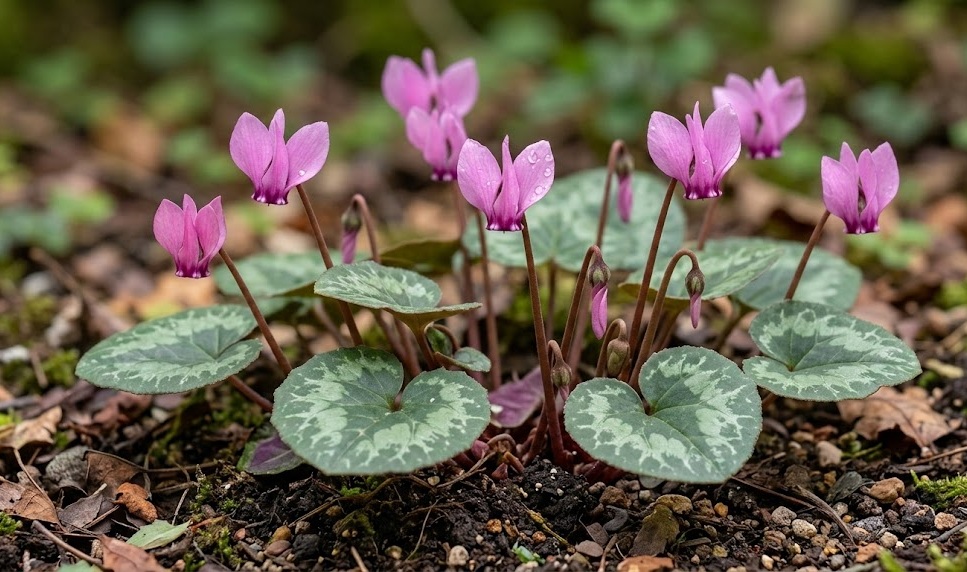

The European cyclamen is a truly unique woodland perennial that brings a touch of wild elegance to any shaded garden or cool indoor space. To care for this plant effectively, you must understand its natural rhythms, which differ significantly from the more common florist’s cyclamen found in many shops. It requires a specific balance of moisture, temperature, and light that mimics the forest floors of Central Europe where it originates. By paying attention to these professional details, you can ensure that your plant not only survives but thrives and spreads its delicate fragrance throughout its growing season.
Replicating the natural forest habitat
The foundation of successful care begins with choosing a location that mirrors the cool, shaded environment of a deciduous forest. You should look for a spot that receives dappled sunlight or deep shade, especially during the heat of the afternoon. In a garden setting, placing the plants under the canopy of larger trees or shrubs provides the necessary protection from the drying effects of direct sun. Indoors, a north-facing windowsill or a cool room away from heaters is the most appropriate choice for maintaining its health.
The soil in which you grow these plants must be rich in organic matter and have a slightly alkaline to neutral pH level. You can achieve this by incorporating a generous amount of well-rotted leaf mold or garden compost into the planting area. This organic material not only provides essential nutrients but also helps to maintain a consistent level of moisture without allowing the soil to become waterlogged. A loose, crumbly soil structure is vital for the delicate tubers to breathe and expand as they grow over time.
Air circulation is an often overlooked aspect of cyclamen care that is crucial for preventing the development of fungal diseases. You should ensure that the plants are not overcrowded and that there is sufficient space for air to move freely around the foliage. This is particularly important in indoor environments where the air can become stagnant and humid, leading to rot. If you are growing them in containers, placing them in a well-ventilated room will significantly reduce the risk of common physiological problems.
Finally, you must be aware of the plant’s seasonal cycle, which involves a period of relative dormancy during the height of summer or depth of winter depending on the specific climate. During these times, the plant may appear to be struggling, but it is often just resting and preparing for its next flush of growth. You should reduce your intervention during these periods and avoid the temptation to overwater or fertilize. Understanding this natural cycle is the key to providing professional-level care that respects the plant’s inherent biology.
More articles on this topic
Temperature and seasonal requirements
The European cyclamen is exceptionally hardy and prefers much cooler temperatures than many other decorative indoor plants. You will find that it performs best when daytime temperatures remain below twenty degrees Celsius and drop slightly during the night. High temperatures, especially when combined with dry air, are the most common cause of premature leaf yellowing and flower drop. Providing a cool environment is the most effective way to prolong the blooming period and maintain the vigor of the foliage.
During the winter months, these plants can tolerate significant cold, but you should protect them from extreme frost if they are grown in shallow containers. In the garden, a light mulch of leaves can provide enough insulation to keep the tubers safe from the worst of the freezing temperatures. If you are keeping them indoors, moving them to an unheated porch or a cool garage during the coldest weeks can help them maintain their natural dormancy. This period of chill is often necessary for the plant to produce a robust set of flowers in the following season.
In the spring and autumn, when the plant is most active, you should aim for a stable temperature range that avoids sudden fluctuations. Rapid changes in temperature can shock the plant, causing it to enter a defensive state where it may shed leaves or abort new buds. Placing the plant away from drafts, air conditioning vents, or radiators is essential for maintaining this necessary stability. A consistent, cool environment will result in a much stronger plant with more vibrant colors and a longer life span.
When the summer heat arrives, the plant naturally enters a more dormant phase to protect its tubers from drying out. You should move potted specimens to the coolest part of your garden or home and keep the soil only slightly moist. This is not the time for intensive care, but rather a time for patience as the plant waits for the cooler weather to return. By respecting this need for a summer rest, you ensure that the tuber remains plump and ready for the next active cycle.
More articles on this topic
Substrate composition and structure
The quality of the substrate is perhaps the most critical factor in the long-term health and survival of your European cyclamen. You should aim for a mix that is highly porous yet capable of holding enough moisture to satisfy the plant’s woodland heritage. A professional-grade mixture often includes one part garden loam, one part leaf mold, and one part coarse grit or perlite for drainage. This combination allows for rapid drainage of excess water while ensuring that the roots have access to the humidity they require.
Avoid using standard, heavy potting soils that are designed for high-water-consumption plants, as these will likely suffocate the cyclamen tubers. The tubers are sensitive to anaerobic conditions, which occur when the soil particles are too fine and become packed together tightly. You should be able to see and feel the different components of the soil, such as the bits of leaves and the gritty minerals. This structural diversity is exactly what the plant experiences in the wild, and it is what you must replicate.
If you are planting in the ground, you may need to amend your existing soil if it is primarily composed of heavy clay. You can do this by digging in large amounts of organic grit and well-composted bark to open up the soil’s structure. It is also beneficial to create a slightly raised bed or a mound for the plants to ensure that water drains away from the crown. These professional preparation steps are far more effective than trying to fix drainage issues after the plants have already been established.
Nutrient availability in the substrate should be moderate rather than high, as the European cyclamen is not a heavy feeder. The organic matter you incorporate, such as the leaf mold, will provide a steady and gentle supply of nutrients as it further decomposes. You should avoid high-nitrogen fertilizers that promote lush, soft leaf growth at the expense of hardy tubers and delicate flowers. A balanced, slow-release approach to soil fertility is the most sustainable way to support the plant’s natural development over several years.
Managing humidity and air quality
High humidity levels are beneficial for the European cyclamen, but only if they are accompanied by excellent air movement. You can increase the local humidity around indoor plants by placing their pots on a tray filled with pebbles and a small amount of water. It is important that the bottom of the pot does not touch the water directly, as this would lead to saturated soil. This method creates a microclimate of moist air that helps keep the leaves turgid and healthy in dry indoor environments.
In the garden, humidity is usually naturally regulated by the surrounding vegetation and the mulch on the soil surface. You can help maintain this by planting your cyclamen in groups or alongside other shade-loving plants like ferns or hostas. These companion plants create a shared environment where moisture is retained more effectively than in isolated spots. This community approach to planting mimics the natural forest ecosystem and provides a much more resilient habitat for your cyclamen.
You must be careful not to mist the foliage directly, as water sitting on the leaves or in the center of the crown can encourage rot. Instead, focus on increasing the moisture content of the air itself or ensuring the soil stays consistently damp. Professional growers often use humidifiers in greenhouses, but for a home gardener, the pebble tray or group planting is usually sufficient. Always monitor the plants for any signs of mold or mildew, which indicate that the air is too still and moist.
The quality of the air is also important, as these plants are sensitive to pollutants and stale conditions. You should avoid placing them in rooms where there is heavy smoke or where gas appliances are used frequently without proper venting. Opening a window occasionally to let in fresh air will benefit the plant greatly, provided it does not create a cold draft. Clean, moving air combined with adequate humidity is the ideal recipe for a healthy and long-lived European cyclamen.
Container selection and potting techniques
When choosing a container for your European cyclamen, you should prioritize breathability and drainage over aesthetics. Terracotta pots are often preferred by professional gardeners because their porous nature allows for air and moisture exchange through the walls. This helps to regulate the temperature of the soil and prevents the tuber from becoming too hot or too wet. If you choose to use plastic or glazed ceramic, you must ensure they have multiple large drainage holes at the bottom.
The size of the pot is also a critical factor; it should be only slightly larger than the tuber itself to prevent excess soil from holding too much water. A common mistake is to “over-pot” the plant, thinking it will give the roots more room to grow. In reality, the unoccupied soil stays wet for too long, which increases the risk of fungal infections and tuber rot. You should aim for a container that leaves about two to three centimeters of space between the tuber and the edge of the pot.
When potting the tuber, you should place it so that the top is just at or slightly below the soil surface. Unlike the florist’s cyclamen, which often has the tuber sitting high above the soil, the European variety prefers to be nestled more deeply. You should handle the tuber with great care to avoid bruising the delicate skin or damaging the growing points. Firm the soil gently around the edges but do not pack it down so hard that you destroy the air pockets.
Re-potting should only be done every two or three years, or when the tuber has clearly outgrown its current home. The best time to do this is at the very end of the dormant period, just as the first signs of new growth appear. You should use fresh substrate each time to ensure the plant has a clean start and plenty of new organic material. By following these professional potting techniques, you provide the physical foundation necessary for your cyclamen to thrive for a lifetime.
Recognizing and managing plant stress
The European cyclamen will quickly show signs of stress if its environmental needs are not being met, and you must learn to read these signals. Yellowing leaves are often the first sign of trouble and can indicate either overwatering or exposure to temperatures that are too high. If the leaves become soft and limp, the plant is likely suffering from a lack of water or root damage from saturated soil. You should check the moisture level of the soil immediately and adjust your care routine accordingly to prevent further decline.
If the plant fails to bloom or the flower stalks become short and stunted, it may not be receiving enough light or nutrients. While they love shade, they still require bright, indirect light to fuel the energy-intensive process of flowering. You might consider moving the plant to a slightly brighter spot or providing a very weak dose of liquid fertilizer. However, you should always rule out temperature issues first, as heat is a much more common reason for poor flowering in this species.
Pests and diseases can also cause significant stress, and early detection is the only way to manage them effectively. You should regularly inspect the undersides of the leaves and the base of the crown for any signs of insects or unusual spots. If you notice any fuzzy growth or dark, mushy patches, you must act quickly to remove the affected parts and improve air circulation. Healthy plants are much more resistant to these issues, so maintaining optimal growth conditions is your best defense.
Finally, do not mistake the natural onset of dormancy for a sign of ill health or death. If your plant begins to lose its leaves during a particularly hot summer or after its flowering season, it is likely just entering its resting phase. You should avoid the urge to “save” the plant with extra water or food during this time, as this will only lead to rot. Instead, move it to a cool, shaded place and wait for the natural cycle to bring it back to life when the conditions improve.
Long-term maintenance and growth
Maintaining a European cyclamen over many years is a rewarding experience that requires a consistent but light-handed approach. You will find that as the tuber grows older, it becomes more resilient and produces an ever-increasing number of flowers each season. The most important long-term practice is to avoid disturbing the roots and tuber unless absolutely necessary for re-potting. These plants appreciate stability and will reward you with consistent performance if they are allowed to establish themselves fully.
As the plant matures, you may notice that it begins to produce small seedlings around the base if the conditions are right. You should view this as a sign of success and a natural way to increase your collection without any extra effort. These young plants will take a few years to reach flowering size, but they will be perfectly adapted to your specific environment. You can either leave them to form a lush colony or carefully transplant them to other parts of your garden once they are strong enough.
Seasonal cleaning is a professional habit that keeps the plant looking its best and reduces the risk of disease buildup. You should gently remove any dead leaves or spent flower stalks by giving them a firm but careful tug at the base. This prevents the old material from rotting against the tuber and improves the overall air movement within the plant’s canopy. Keeping the area around the base of the plant clear of debris is a simple but effective way to maintain long-term health.
Ultimately, the goal of professional care is to become a silent partner to the plant’s natural development. You are there to provide the right environment and step in only when the balance is disturbed by extreme weather or pests. By observing your European cyclamen through the seasons, you will gain an intuitive understanding of its needs that no book can fully provide. This connection with the plant’s life cycle is what transforms a simple hobby into a true horticultural expertise.