
Cultivating these miniature perennials brings a sense of early spring joy to any rock garden or border edge. You will notice that their compact size makes them ideal for small spaces where larger varieties might overwhelm the landscape. It is essential to understand that their unique biological structure requires specific attention during the active growing months. By following professional standards, you can ensure a vibrant display of color every year without much effort.
Maintaining the health of the rhizomes is a task that begins with proper observation of the soil surface. You must ensure that the rhizomes are partially exposed to the sun rather than buried deep under heavy soil or mulch. If the sun cannot reach the upper part of the root structure, the plant may fail to produce the energy needed for blooming. This simple adjustment in your gardening routine often makes the difference between a lush plant and a struggling one.
Weeding around these delicate plants should be done with extreme care to avoid damaging the shallow root systems. Manual removal of grass and broadleaf weeds is preferred over chemical interventions that might linger in the porous soil. You should check the area every week to catch competitive growth before it establishes a strong hold near the base of the iris. Clean surroundings allow for better air circulation which is a key factor in preventing common fungal developments.
Seasonal monitoring involves checking the foliage for any signs of discoloration or unexpected wilting during the heat of summer. While these plants are generally resilient, extreme conditions can cause stress that leads to early dormancy if not managed correctly. You should look for firm green leaves that stand upright as a sign of vigorous health and adequate nutrient uptake. Taking a few minutes each day to walk through your garden helps you spot potential issues before they become systemic problems.
Essential soil management and environmental factors
The foundation of a successful growth cycle is a well-drained substrate that prevents water from pooling around the sensitive rhizomes. You should choose a location where the soil is naturally loose or has been amended with organic matter to improve its structure. Heavy clay can be particularly dangerous because it traps moisture and limits the oxygen available to the roots. Many experts recommend adding a small amount of grit or coarse sand to the planting site to facilitate faster drainage.
More articles on this topic
Alkaline or neutral pH levels are the most suitable environments for these plants to thrive over multiple years. You can test your garden soil with a simple kit to determine if any lime or sulfur additions are necessary for balance. Providing the right chemical environment ensures that essential minerals are soluble and easily absorbed by the root system. This proactive approach to soil science will result in stronger stems and more intense petal colors during the flowering period.
Airflow is another critical element that is often overlooked by novice gardeners when planning their landscape layout. You should space your plants adequately to allow the wind to move through the foliage and dry off any morning dew. Stagnant air creates a microclimate that is highly conducive to rot and various bacterial infections that target the iris. Proper spacing also reduces competition for resources, allowing each individual clump to reach its full aesthetic potential.
Surface management involves keeping the area around the plant clear of debris such as fallen leaves or old stems. You should remove any organic matter that could provide a hiding spot for pests or trap excessive moisture against the skin of the rhizome. A clean soil surface allows the sun to bake the top of the root, which is a natural way to prevent many common diseases. This practice mimics the dry, open conditions of the plant’s native habitats in central and eastern Europe.
Strategic division for long-term plant vigor
Dividing your plants every few years is a necessary step to maintain their health and ensure they do not become overcrowded. You will likely see a decrease in flower production once the center of the clump becomes too dense with old growth. Mid-summer is generally considered the best time for this procedure after the flowering season has completely finished. By lifting and separating the rhizomes, you provide the plant with a fresh start and more space to expand.
More articles on this topic
The process begins by carefully digging up the entire clump with a garden fork to minimize root breakage. You should then shake off the excess soil so you can clearly see the junctions where the rhizomes connect. Using a sharp, sterilized knife allows you to make clean cuts that heal quickly without inviting pathogens into the tissue. Each new section should have at least one healthy fan of leaves and a robust set of roots attached.
After the division is complete, you can discard any old or soft sections that no longer show signs of active growth. Replanting the healthy divisions immediately prevents the roots from drying out and reduces the overall transplant shock. You should firm the soil around the new segments and provide a light watering to settle the earth. This rejuvenation process not only improves the look of your garden but also provides you with new specimens to plant elsewhere.
Observing the recovery of the newly divided sections provides valuable insight into the overall resilience of your garden stock. You should notice new growth emerging within a few weeks if the conditions and timing were handled correctly. It is rewarding to see how a single established plant can be transformed into several thriving colonies with just a bit of effort. This cycle of renewal is a core part of professional gardening that keeps your landscape looking youthful and productive.
Monitoring growth and development stages
The early spring emergence is the most exciting time for any gardener who appreciates these low-growing treasures. You will see small green tips pushing through the soil as soon as the ground begins to warm in the sunshine. It is important to protect these tender shoots from late frosts that could damage the incipient flower buds. A light covering during exceptionally cold nights can save the entire season’s display from being lost to freezing temperatures.
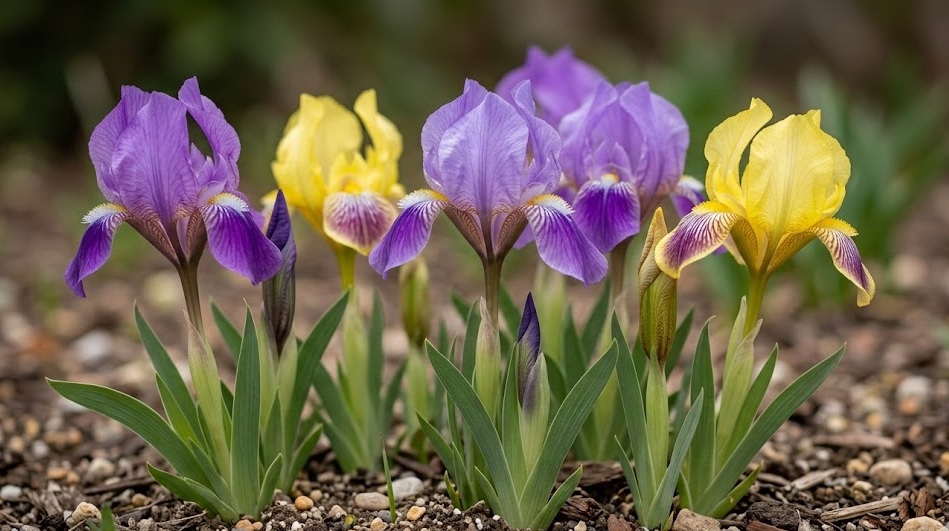
Flowering typically occurs in late March or April depending on your local climate and the specific weather patterns of the year. You should enjoy the brief but intense period of bloom by ensuring the plants are not shaded by taller neighboring perennials. The flowers are remarkably large for the size of the plant and offer a wide range of shades from deep purple to soft yellow. Keeping a garden journal can help you track the exact dates of blooming to better plan your spring garden combinations.
Post-flowering care involves removing the spent flower stalks to prevent the plant from wasting energy on seed production. You should cut the stalks close to the base without damaging the surrounding leaves that continue to photosynthesize. These leaves are vital for building up the energy reserves stored in the rhizome for the following spring. Allowing the foliage to remain green and healthy for as long as possible is a secret to consistent blooming.
The summer dormancy phase is a time when the plant appears to stop growing, but internal processes are still active. You might see some of the outer leaves turning yellow, which is a natural response to heat and a reduction in moisture. You should resist the urge to overwater during this period as the plant is not actively taking up large amounts of liquid. Understanding these natural rhythms helps you provide the right care at the right time without causing undue stress.
Integrated pest management strategies
Scouting for signs of the iris borer is a high priority during the late spring and early summer months. You can often spot the presence of these larvae by looking for small holes or water-soaked streaks on the leaves. If you detect an infestation early, you can manually remove the affected tissue to stop the spread. This proactive monitoring prevents the pests from reaching the rhizome where they can cause irreparable structural damage.
Slugs and snails are common visitors to gardens that provide the moist, shaded environments they prefer for hiding during the day. You should look for silver trails on the soil or irregular holes in the tender petals and foliage of your irises. Using physical barriers or organic baits can help manage these populations without harming beneficial insects in your garden. Keeping the area around your plants dry and clear of debris is the most effective long-term deterrent for these pests.
Aphids occasionally gather on the flower buds or new growth, sucking the sap and weakening the overall structure of the plant. You can usually wash these small insects away with a gentle stream of water from a garden hose. If the problem persists, an application of insecticidal soap is a safe and effective way to handle the situation. Regular inspections ensure that these small nuisances do not turn into a large-scale problem that ruins the aesthetic of your display.
Encouraging natural predators like ladybugs and lacewings creates a balanced ecosystem that manages many pests for you. You can achieve this by avoiding broad-spectrum pesticides that kill both harmful and beneficial organisms alike. A healthy garden with diverse plant life attracts the birds and insects that keep the pest population under control. This sustainable approach reduces your workload and promotes a more resilient environment for all your garden inhabitants.
Nutrient balance and application timing
Feeding your plants with the right nutrients ensures they have the strength to produce spectacular blooms and resist environmental stressors. You should focus on fertilizers that are lower in nitrogen but higher in phosphorus and potassium to encourage root and flower growth. Applying a balanced formula in the early spring just as the growth begins provides a necessary boost after the winter. A second light application after the flowering has ended helps the plant prepare for its summer dormancy and next year’s cycle.
Organic options like well-rotted compost or bone meal are excellent choices for long-term soil health and slow-release nutrition. You can work these materials into the top inch of soil around the plants, being careful not to touch the rhizomes directly. These natural amendments improve the soil structure while providing a steady supply of essential elements over several months. Using organic matter also supports the beneficial microbes that live in the soil and help with nutrient cycling.
Over-fertilizing can lead to excessive leaf growth at the expense of flowers and can also make the plant more susceptible to rot. You should avoid high-nitrogen lawn fertilizers that might runoff into your iris beds during regular maintenance. If you notice the leaves are becoming unusually large and soft, it may be a sign that the nutrient balance is incorrect. Precision in application is always better than simply adding more material to the ground without a clear purpose.
Micronutrients like magnesium and calcium also play a role in the cellular strength and overall health of the dwarf iris. You can ensure these are present by maintaining a healthy soil pH and occasionally adding a complete mineral supplement. Healthy plants with strong cell walls are much better at defending themselves against fungal spores and bacterial attacks. Investing time in soil nutrition pays off in the form of robust, long-lived plants that define your garden’s character.
Long-term garden planning and aesthetics
The dwarf iris is a versatile plant that can be used in many different ways to enhance your outdoor living space. You can plant them in large drifts to create a carpet of color that draws the eye during the early spring months. They are also perfect for container gardening, allowing you to bring the beauty of the spring closer to your patio or balcony. Their low profile makes them excellent companions for taller bulbs like tulips or late-blooming perennials that fill in the space later.
Color coordination is an important consideration when choosing different varieties to plant together in a single bed. You can create a striking contrast by mixing deep violets with bright yellows or keep a harmonious look with various shades of blue. The foliage also provides a nice texture even after the flowers have faded, acting as a green groundcover for the rest of the season. Planning your garden layout with these visual elements in mind ensures a professional and polished appearance.
Longevity in the garden is one of the greatest benefits of choosing these hardy and reliable miniature irises. You will find that with minimal care, they return year after year and slowly expand their footprint in your landscape. This stability makes them a cost-effective choice for permanent plantings in rockeries or along sunny pathways. Watching your collection grow and evolve over the seasons provides a deep sense of satisfaction and a connection to the natural world.
Sharing your plants with friends and neighbors through division is a wonderful way to spread the joy of gardening in your community. You can provide tips on care and maintenance to ensure their new divisions thrive in their own unique environments. This social aspect of gardening builds connections and allows you to learn from the experiences of others who grow the same species. A garden is never truly finished, as it is a living entity that continues to change and provide new opportunities for learning.