
This versatile deciduous shrub is widely appreciated for its unique aesthetic appeal and resilience in various landscape settings throughout the world. Growing coralberry effectively requires a balanced understanding of its natural habitat and specific physiological needs during different seasons. Most gardeners find that this plant is remarkably forgiving, yet it truly thrives when given consistent attention and proper environmental conditions. By following a structured care routine, you can ensure that your shrub remains a vibrant and healthy part of your garden for many years to come.
Effective care begins with monitoring the overall health of the plant on a weekly basis during the growing season. You should look for vibrant leaf color and strong stem development as indicators of a happy shrub. If you notice any wilting or discoloration, it is important to investigate the root cause immediately to prevent long-term damage. Regular observation allows you to adjust your maintenance schedule based on the actual needs of the individual plant.
The environment surrounding the shrub plays a significant role in how much effort you will need to put into its upkeep. Choosing a location that mimics its native woodland edges will significantly reduce the stress on the plant. Proper air circulation is also vital because it helps prevent moisture-related issues on the foliage and stems. When the plant is situated in an ideal spot, it becomes much more resistant to common environmental stressors.
Long-term success with this species involves a commitment to understanding its natural growth cycle from spring until the late winter months. Each phase of growth requires a slightly different approach to maintenance and observation. You should keep a gardening journal to track how the plant responds to different weather patterns and care techniques. This personalized data will help you refine your approach and achieve the best possible results in your specific microclimate.
Establishing the right soil environment
The foundation of a healthy shrub is always the quality and structure of the soil in which it is planted. This species prefers a soil that is rich in organic matter but also possesses excellent drainage capabilities to prevent root rot. You can improve heavy clay soils by incorporating aged compost or well-rotted manure before planting. Ensuring the right texture will allow roots to spread easily and access necessary nutrients throughout the year.
More articles on this topic
The acidity or alkalinity of your soil, known as the pH level, can affect how the plant absorbs essential minerals. While this shrub is adaptable to a range of pH levels, it generally performs best in slightly acidic to neutral conditions. You can use a simple home testing kit to determine the current state of your garden soil. If the results are too extreme, you might need to apply soil amendments to bring the levels into a more favorable range.
Maintaining the soil structure over time is just as important as the initial preparation before you put the plant in the ground. Avoid compacting the earth around the base of the shrub by keeping foot traffic to a minimum in that area. Compacted soil limits the amount of oxygen reaching the roots, which can lead to stunted growth and poor berry production. Gently aerating the surface of the soil once a year can help maintain the porosity needed for deep root respiration.
Mulching is a professional technique that helps regulate soil temperature and preserve moisture levels during the heat of summer. Apply a thick layer of organic mulch around the base of the plant, but make sure it does not touch the actual stems. This layer will slowly decompose over time, adding valuable nutrients back into the earth and improving the soil biology. It also serves as a barrier against weeds that would otherwise compete with your shrub for resources.
Balancing moisture and humidity levels
Water management is a critical aspect of care that changes depending on the age of the plant and the current weather. Newly planted shrubs require frequent watering to help their root systems become established in the new location. Once the plant is mature, it gains a higher level of drought tolerance and can survive longer periods without rain. However, providing supplemental water during extreme heatwaves will prevent the foliage from scorching or dropping prematurely.
More articles on this topic
The timing of your watering routine can have a significant impact on the health of the foliage and the prevention of disease. It is best to water early in the morning so that any moisture on the leaves has time to dry before evening. Overhead watering should be avoided whenever possible to keep the leaves dry and reduce the risk of fungal infections. Using a soaker hose or drip irrigation system is a much more efficient way to deliver water directly to the root zone.
During periods of high humidity, the plant may require less frequent watering but more attention to air circulation. If the air becomes too stagnant around the dense branches, it creates a perfect environment for mildew to develop. You can thin out some of the inner branches to allow more wind to pass through the center of the shrub. This proactive measure keeps the humidity levels from becoming a detriment to the overall health of the plant.
Observing the leaves is the best way to tell if your watering strategy is meeting the needs of the coralberry. If the leaves appear limp or soft, it might be a sign that the soil is staying too wet for too long. On the other hand, crispy brown edges usually indicate that the plant is struggling with a lack of consistent moisture. Adjusting your frequency based on these visual cues is the mark of a truly experienced and professional gardener.
Seasonal maintenance routines
Spring is the time for renewal and preparation as the shrub begins its most active phase of growth. As the ground thaws, you should clear away any debris or dead leaves that have accumulated around the base. This is the ideal time to apply a fresh layer of mulch and a balanced fertilizer to support new branch development. Checking for any winter damage and removing dead wood will give the plant a clean start for the season.
Summer care focuses primarily on managing heat stress and ensuring the plant has enough energy to produce its iconic berries. You should continue to monitor soil moisture and provide deep watering during the driest weeks of July and August. If you notice any pests starting to gather, addressing them early will prevent a full-blown infestation later in the year. Keeping the area around the shrub free of tall weeds will also improve the aesthetic and health of the site.
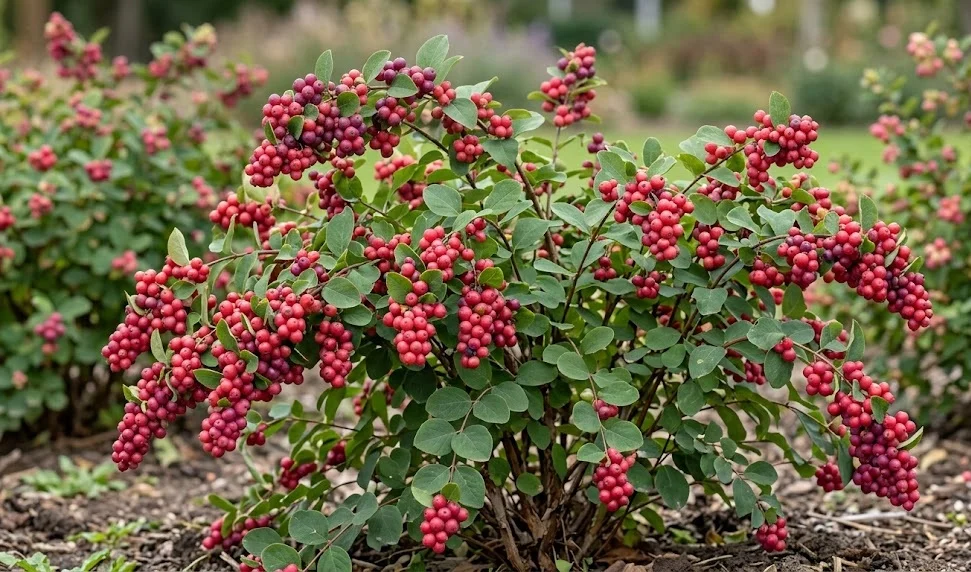
As autumn approaches, the focus shifts toward the spectacular display of red berries that give the plant its name. You should avoid heavy pruning at this stage to preserve the fruit that provides winter interest and food for local birds. Reducing the amount of fertilizer as the growth slows down helps the plant prepare for the coming dormancy. This is also a good time to inspect the structural integrity of the branches before the weight of winter snow arrives.
Winter is a period of rest for the shrub, but the gardener’s job is not entirely finished during these cold months. You should keep an eye on the plant after heavy snowfalls to ensure that the branches are not being bent to the point of breaking. If the winter is exceptionally dry and the ground is not frozen, a light watering can prevent the roots from completely dehydrating. This quiet season is also the best time to plan any major changes or additions to your gardening landscape.
Managing growth and space
The coralberry is known for its ability to spread through underground runners, which can be both a blessing and a challenge. If you are using the shrub as a groundcover or for erosion control, this natural tendency is highly beneficial. However, in a formal garden bed, you may need to take steps to contain its spread to specific areas. Regularly checking the perimeter of the plant and removing unwanted suckers will keep it within its designated boundaries.
Providing enough space for the shrub to reach its full mature size is essential for a professional-looking landscape design. When plants are crowded together, they compete for light and nutrients, which often leads to lopsided or weak growth. You should research the expected width of your specific variety and space your plantings accordingly from the very beginning. A well-spaced garden allows each individual plant to showcase its natural form and beauty without interference.
If the shrub becomes too large for its location, it is possible to transplant it or perform a major rejuvenation. Rejuvenation involves cutting the entire plant back significantly to encourage a flush of fresh, vigorous growth from the base. This technique is best performed in the early spring before the buds begin to swell and open. It can breathe new life into an older, leggy specimen that has lost its ornamental appeal over the years.
Integrating the coralberry with other plants requires a thoughtful approach to competition and aesthetic harmony. It pairs well with other native shrubs and perennials that share similar requirements for light and soil moisture. You should consider the color of the berries when choosing companion plants to create a striking visual contrast in the autumn. A diverse planting scheme not only looks better but also supports a healthier ecosystem within your personal garden space.
Enhancing berry production and beauty
The primary reason many people grow this shrub is for the dense clusters of pinkish-red berries that persist into the winter. To maximize the number of berries, the plant needs to receive an adequate amount of sunlight during the spring and summer. While it can grow in shade, the fruit production will be much more prolific if it gets at least a few hours of direct sun. Consistent moisture during the flowering period in early summer is also key to ensuring a good fruit set.
Pollination is another factor that influences how many berries your shrub will produce each year. Although the flowers are small and inconspicuous, they are very attractive to bees and other beneficial insects. By avoiding the use of broad-spectrum insecticides, you can protect these pollinators and ensure they visit your garden regularly. A healthy population of local insects is the best guarantee for a heavy crop of ornamental berries in the fall.
The health of the previous year’s wood can also impact the current season’s berry production on some varieties. Understanding whether your specific plant blooms on new or old wood will help you time your pruning correctly. Generally, light maintenance pruning does not interfere with the fruiting process if it is done at the right time. Always use sharp, clean tools to make precise cuts that heal quickly and do not invite disease into the stems.
Soil fertility plays a supporting role in the development of high-quality berries throughout the growing season. A soil that is too rich in nitrogen might encourage excessive leaf growth at the expense of flower and fruit production. Using a fertilizer with a slightly higher phosphorus content can help redirect the plant’s energy toward creating more berries. Regular additions of organic compost will provide a steady supply of micronutrients that are essential for long-term health and vitality.
Long-term health and sustainability
Maintaining the health of your coralberry over many years requires a holistic approach to garden management and environmental care. You should strive to create a balanced ecosystem where natural predators keep pest populations in check without chemical intervention. This sustainable approach reduces the stress on the plant and ensures that the soil remains alive with beneficial microorganisms. Healthy soil leads to healthy plants that are better equipped to handle the challenges of a changing climate.
Periodic soil testing is a professional habit that helps you stay ahead of any potential nutrient deficiencies or pH shifts. As the years go by, the demands of the plant can deplete specific minerals from the surrounding earth. By staying informed about the chemical makeup of your soil, you can make targeted adjustments rather than guessing. This precision saves money on unnecessary fertilizers and protects the environment from excessive nutrient runoff.
Diversity within the garden is one of the best ways to ensure the long-term survival of your favorite shrubs and trees. If you have multiple coralberry plants, consider mixing in other species to break up large monocultures that are vulnerable to disease. A variety of plant heights and types also provides better habitat for wildlife and improves the overall resilience of the landscape. Each plant contributes to a larger web of life that supports the health of the entire garden community.
Finally, staying curious and continuing to learn about the specific needs of your plants will make you a better gardener. Horticulture is a science that is constantly evolving, and new techniques for care are discovered every year. By attending local workshops or reading professional journals, you can refine your skills and enjoy even greater success with your coralberry. The reward for your dedication will be a beautiful, thriving shrub that brings joy to everyone who sees it.