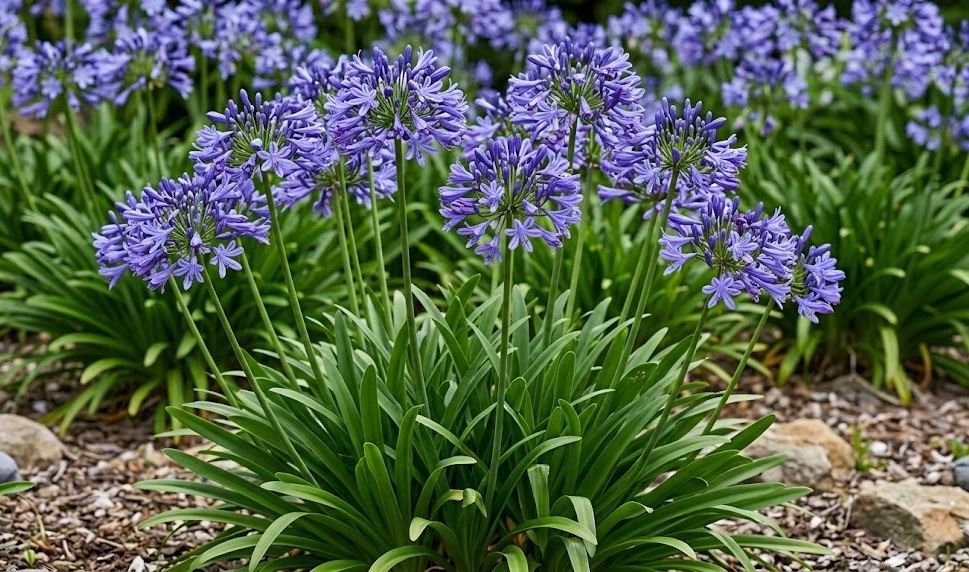

Providing the right environment for these stunning perennials is the first step toward achieving a garden full of vibrant blue and white clusters. The African lily thrives best when it is situated in a location that mimics its native southern African climate, characterized by warm days and well-draining soil. Gardeners often find that once these plants are established, they become remarkably resilient and require minimal intervention to look their best. Understanding the delicate balance between sun exposure and soil moisture is essential for anyone looking to cultivate a professional-grade display in their landscape.
The soil composition serves as the literal foundation for the health of your plants throughout the growing season. You should aim for a loamy mixture that allows excess water to move away from the fleshy roots quickly to prevent any potential decay. Many professionals recommend incorporating organic matter like compost or aged manure to improve the nutrient profile without making the soil too heavy. If you are planting in a container, ensure that the potting mix is high quality and includes perlite or grit for enhanced aeration.
Temperature management plays a vital role in the lifecycle of this plant, especially during the transition between seasons. While they enjoy the heat of the summer, sudden drops in temperature during late spring can damage new growth and delay the flowering process significantly. It is wise to monitor local weather patterns closely and provide temporary cover if an unexpected frost is predicted in your area. Creating a stable microclimate by placing them near a south-facing wall can often provide the extra warmth they need to thrive.
The growth habit of the African lily is clump-forming, which means they will naturally expand over several years. You should give them enough space to breathe, as overcrowding can lead to poor air circulation and a reduction in the size of the flower heads. Regular observation allows you to identify when the plant has reached its maximum capacity for its current spot. Maintaining a clean area around the base of the plant by removing fallen leaves and debris will also help in preventing unwanted moisture buildup.
Seasonal adjustments for optimal growth
As the seasons change, the nutritional and hydration needs of the African lily shift to accommodate different stages of development. During the peak of summer, the plant focuses all its energy on producing those iconic spherical flower heads that tower over the foliage. You will notice that the foliage remains a deep, lush green if the plant is receiving adequate support from its environment. Conversely, as autumn approaches, the plant begins to slow down its metabolic processes in preparation for a period of rest.
More articles on this topic
The transition into the dormant phase requires a gradual reduction in the resources you provide to the plant. It is a mistake to continue heavy maintenance routines once the daylight hours begin to dwindle and the air turns crisp. By allowing the plant to naturally harden off, you are helping it build the necessary reserves to survive the colder months ahead. This period of quiet is just as important for the long-term health of the lily as the active growing season.
When spring finally arrives, the emergence of new shoots is a signal to begin increasing your attention once again. You should start by clearing away any dead material that may have accumulated over the winter months to make way for fresh growth. This is also the perfect time to assess the overall vigor of the plant and decide if any structural changes are needed in the garden layout. A fresh layer of mulch at this stage can help retain early spring moisture while suppressing early-growing weeds.
Professional gardeners often emphasize the importance of patience during the early stages of the yearly cycle. It can be tempting to push the plant with excessive heat or nutrients too early, but this often leads to weak, leggy growth. Allowing the plant to wake up at its own pace ensures that the stems will be strong enough to support the heavy blooms later on. Watching the gradual unfurling of the leaves provides a satisfying start to the gardening year for any enthusiast.
Container management strategies
Growing these lilies in pots offers a unique set of advantages, particularly for those with limited garden space or colder climates. Containers allow for much greater control over the soil environment and make it easier to move the plants to follow the sun. Many experts believe that these plants actually bloom better when their roots are slightly restricted within a pot. This phenomenon, often called being “pot-bound,” seems to trigger a stronger flowering response as the plant focuses on reproduction.
More articles on this topic
Choosing the right vessel is critical because the fleshy roots can exert significant pressure as they grow. Terracotta pots are a popular choice because they are porous and allow for better gas exchange, though they do dry out faster than plastic alternatives. Ensure that there are multiple drainage holes at the bottom to prevent any standing water from accumulating around the sensitive root system. A heavy base is also important to prevent the plant from tipping over when the tall flower stalks catch the wind.
The nutrient cycle in a container is much faster than in the open ground, requiring more frequent monitoring from the gardener. Since the roots cannot seek out deeper water or nutrients, they are entirely dependent on what you provide within the confines of the pot. Using a liquid feed during the height of the summer can provide an immediate boost to the plant’s performance. It is important to flush the soil occasionally with clear water to prevent the buildup of salts from fertilizers.
Repotting should be done every two to three years, or when the roots begin to push the plant out of the container. When you decide to move the lily to a larger home, choose a pot that is only one size larger than the current one. This prevents the “lost in the pot” syndrome where the excess soil remains too wet because the roots haven’t reached it yet. Handling the root ball with care during this process will minimize transplant shock and ensure a quick recovery.
Environmental stress factors
Even the most hardy plants can face challenges when environmental conditions become extreme or fluctuate wildly. Heat stress is common during intense heatwaves, where the leaves might show signs of wilting even if the soil is technically moist. In these situations, providing temporary afternoon shade can help the plant conserve energy and prevent leaf scorch. Increasing the humidity around the plant with a light misting in the early morning can also offer some relief from the drying air.
Wind is another factor that is often overlooked but can cause significant physical damage to the tall, elegant flower stalks. If your garden is prone to high winds, it is beneficial to provide some form of natural or artificial windbreak. You might consider planting them behind shorter, sturdier shrubs or using discreet stakes to support the stems during the blooming period. Staking should be done early so that the plant grows into the support rather than being forced into it later.
Air quality and circulation are essential components of a healthy garden ecosystem that supports vigorous growth. Stagnant air can lead to a variety of issues, including the development of mold or the settlement of pests on the undersides of leaves. Ensure that you haven’t planted your lilies too close to solid fences or in deep corners where the breeze cannot reach them. A well-ventilated garden naturally reduces the need for chemical interventions by keeping the foliage dry and healthy.
Unexpected heavy rainfall can pose a threat to the integrity of the soil and the health of the roots. If you notice that water is pooling around your plants for extended periods, it may be necessary to improve the drainage of the entire area. You can do this by creating small channels for the water to escape or by lifting the plants and adding gravel to the planting hole. Quick action during a wet season can save a prized specimen from the devastating effects of root rot.
Physiological development and monitoring
Monitoring the physiological changes in your lilies throughout the year provides valuable insights into their overall health. The color and texture of the leaves are the primary indicators of whether the plant is receiving the right balance of nutrients and light. Healthy leaves should be firm to the touch and possess a consistent, vibrant green hue without yellowing at the edges. Any deviations from this standard should prompt a closer inspection of the growing conditions and the root system.
The development of the flower bud is a critical phase that requires the most stable conditions possible. You will first notice a thick, spear-like shoot emerging from the center of the foliage, which will gradually elongate into the flower stalk. During this time, the plant is particularly sensitive to changes in moisture levels, and any severe drying out can cause the buds to drop prematurely. Keeping a consistent routine will help ensure that the transition from bud to full bloom is successful and visually striking.
After the flowering stage is complete, the plant enters a period of seed production unless you intervene. While some gardeners enjoy the look of the dried seed heads, allowing them to remain on the plant consumes a significant amount of energy. If you want the plant to focus on building up its bulb-like roots for next year, it is better to remove the stalks once the petals have faded. This practice, known as deadheading, helps maintain the aesthetic appeal of the garden while supporting the plant’s future.
Observing the rate of new leaf production can also tell you a lot about the age and vitality of your clump. Older plants may begin to produce smaller leaves or fewer flowers as the center of the clump becomes exhausted. This is a natural part of the plant’s life cycle and indicates that it is time to consider rejuvenating the plant through professional techniques. Keeping a garden journal can help you track these long-term trends and plan your maintenance activities accordingly.
Advanced care for consistent blooming
Achieving a consistent show of flowers every single year requires a deeper understanding of the plant’s internal clock. The African lily relies on a period of cooler temperatures and reduced light to set the stage for the following year’s blooms. If the winter is too warm or if the plant is kept in a constantly heated environment, it may fail to produce flowers altogether. This “chilling requirement” is a biological trigger that tells the plant it is time to start the reproductive cycle.
In addition to temperature, the total amount of light accumulated during the spring and summer is a major factor in flower production. If your plants are situated in a spot that has become increasingly shaded by growing trees or nearby structures, you may see a decline in blooms. Moving the plants to a sunnier location or thinning out the overhead canopy can often restore their flowering potential within a single season. Sunlight is the primary fuel for the complex chemical reactions that result in those spectacular floral displays.
The quality of the water you use can also have an impact on the long-term performance of your lilies. In areas with very hard water, the buildup of minerals in the soil can eventually affect the pH levels and nutrient availability. Using rainwater whenever possible is a great way to keep the soil environment natural and healthy for the roots. If you must use tap water, letting it sit out for a few hours can help some of the treatment chemicals dissipate before they reach the plant.
Professional growers often use a specific feeding schedule that transitions from high-nitrogen to high-potassium fertilizers. Early in the season, nitrogen supports the growth of strong, healthy leaves that will act as solar panels for the plant. As the flower buds begin to form, switching to a potassium-rich feed encourages the development of large, colorful blooms. This targeted approach ensures that the plant has the specific building blocks it needs for each phase of its growth.
Sustaining long-term garden health
Creating a sustainable environment for your lilies involves looking at the garden as a whole rather than just focusing on individual plants. Companion planting can play a role in this, as certain plants can provide beneficial shade for the roots or attract pollinators. Choosing neighbors that have similar water and soil requirements will make your overall maintenance routine much easier and more efficient. A harmonious garden design not only looks better but also functions more like a natural ecosystem.
Mulching is one of the most effective ways to protect the long-term health of the soil and the plants it supports. A thick layer of organic mulch helps to regulate soil temperature, keeping it cooler in the summer and warmer in the winter. It also breaks down over time, slowly adding nutrients back into the earth and improving the soil structure. Be sure to keep the mulch a few inches away from the base of the plant to prevent moisture from sitting against the crown.
Regularly cleaning your gardening tools is a simple but vital step in preventing the spread of diseases between different areas of the garden. Fungal spores and bacteria can easily be transported on the blades of pruners or the surface of trowels. A quick wipe with a disinfectant solution after working on each plant can save you a lot of trouble in the long run. Professionalism in the garden starts with these small, consistent habits that protect the health of your entire collection.
Finally, take the time to enjoy the fruits of your labor and observe the wildlife that your lilies attract. Bees and butterflies are often drawn to the nectar-rich flowers, providing a lively atmosphere in the garden throughout the midsummer months. By providing a healthy and chemical-free environment, you are supporting local biodiversity while maintaining a beautiful landscape. Successful gardening is as much about observation and appreciation as it is about physical work and expert knowledge.