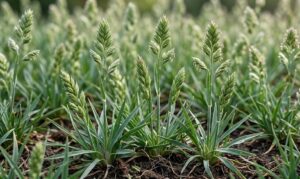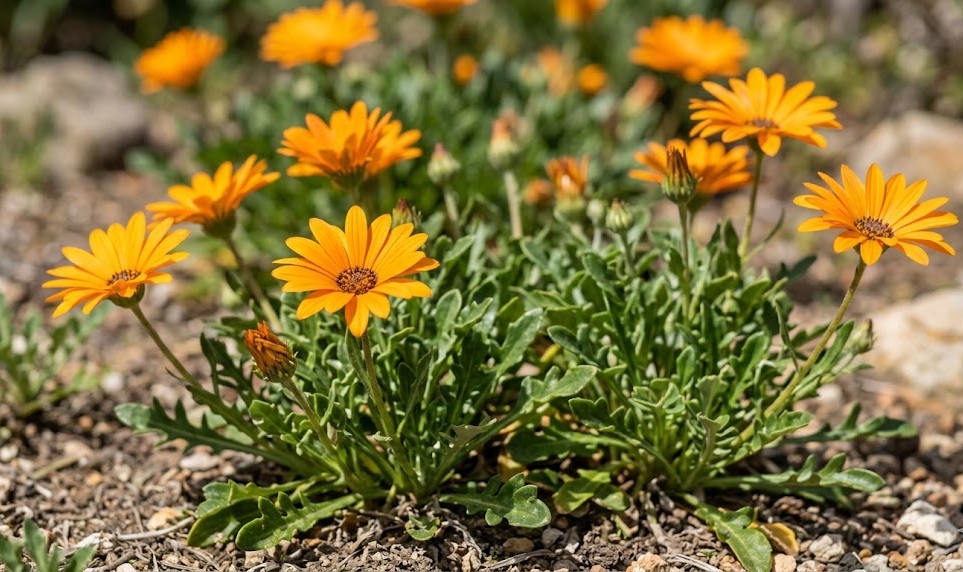

Providing the best care for these vibrant flowers requires a deep understanding of their natural habitat and daily needs. You should look at the soil texture first because it dictates how well the roots can breathe during the peak growing months. Many gardeners forget that consistency is far more important than intensity when it comes to maintaining a healthy garden environment. If you pay close attention to the leaves, they will often tell you exactly what the plant is lacking before the situation becomes critical.
Developing a routine for your garden is the first step toward achieving a professional-looking landscape that thrives all season long. You need to ensure that the environment remains stable enough for the flowers to develop their characteristic bright colors without being stressed by the elements. Taking the time to observe the daily changes in growth will give you an edge over less experienced hobbyists in the field. Every small adjustment you make to the surrounding area contributes to the overall health and longevity of the entire floral display.
Soil management remains a cornerstone of successful gardening, especially when dealing with varieties that originated in warmer, drier climates. You should aim for a mixture that allows excess water to pass through quickly while retaining enough moisture to sustain the roots. Adding organic matter to the beds once a year can significantly improve the nutrient profile of your garden without the need for harsh chemicals. It is always better to build a strong foundation in the ground than to try and fix problems after the plants have already started to struggle.
Understanding the seasonal cycle of your garden helps you prepare for the transitions between the heat of summer and the cooler autumn days. You will notice that the growth rate changes as the hours of daylight shift, which means your care routine must be flexible. Keeping a simple garden journal can help you track these patterns and make more informed decisions about when to intervene. Expert gardeners know that being proactive is the only way to ensure that the flowers remain the centerpiece of the landscape for as long as possible.
Monitoring the local weather patterns is another essential part of being a professional gardener who cares about high-quality results. You should be ready to provide extra protection during unusual heatwaves or unexpected cold snaps that might threaten the delicate petals. Installing a basic weather station or checking reliable forecasts will allow you to stay one step ahead of the changing environment. Your plants depend on your ability to anticipate these shifts and provide the necessary shelter or hydration to keep them thriving.
More articles on this topic
Soil quality and preparation
Creating the perfect ground environment is the secret to seeing those iconic blossoms open up fully every single day. You need to test the pH levels of your soil to ensure it falls within the slightly acidic to neutral range for optimal growth. Heavy clay can be a significant obstacle, so you should consider mixing in some sand or perlite to improve the drainage. A well-prepared bed allows the root system to expand without resistance, leading to a much stronger and more resilient plant.
Once you have established the right texture, you should focus on the biological health of the growing medium you are using. Incorporating well-rotted compost provides a slow-release source of energy that keeps the flowers healthy throughout the entire growing season. You will find that healthy soil naturally suppresses many common issues that would otherwise require intensive treatments or interventions. Healthy roots are the engine of the plant, and they deserve your full attention during the initial stages of the gardening year.
Mulching is a professional technique that you should never skip if you want to maintain consistent moisture levels in your garden beds. A thin layer of organic mulch helps to suppress weeds that would otherwise compete with your flowers for essential nutrients and space. You also benefit from the way mulch regulates soil temperature, keeping the roots cool when the sun is at its most intense. Choosing a natural material that breaks down over time will further enrich the ground as the season progresses into late summer.
Avoiding soil compaction is a small but vital detail that many people overlook when they are busy working in their gardens. You should design your paths so that you never have to step directly on the soil where your flowers are currently growing. Compressed earth prevents oxygen from reaching the roots and can lead to stunted growth or even the eventual death of the plant. Maintaining a light and airy soil structure is one of the hallmarks of a professional approach to high-end gardening.
More articles on this topic
Seasonal care transitions
As the spring turns into the height of summer, you will see a dramatic increase in the energy levels of your garden. You need to be prepared to increase the frequency of your checks to ensure that the intense heat is not causing unnecessary stress. Early morning is the best time to perform your rounds, as it allows you to see the plants before they are affected by the midday sun. This is the period when your previous hard work in soil preparation will truly begin to show its value.
Midsummer often brings a plateau in growth where the focus shifts from expanding the foliage to producing the highest quality flowers possible. You should continue to monitor the vitality of the stems and the color of the leaves to ensure nothing is going wrong under the surface. It is helpful to remember that even the most resilient varieties have limits when it comes to prolonged periods of high temperatures. Providing a little bit of temporary shade during the hottest hours can make a world of difference for the overall appearance.
When autumn arrives, the cooling temperatures signal a shift in the biological priorities of your garden as it prepares for the dormant phase. You will notice that the blooming slows down, and the plant begins to focus more on strengthening its core structure for the coming winter. This is the time to gradually reduce the intensity of your care while still maintaining a baseline of support for the roots. Professional gardeners use this transition to evaluate the successes of the year and plan for the next growing cycle.
The final weeks of the active season are the perfect time to collect seeds or prepare the beds for a period of rest. You should clear away any fallen debris that could harbor pests or diseases during the colder months ahead of you. Leaving the area clean ensures that you will have a much easier start when the weather begins to warm up again in the spring. A professional finish to the season is just as important as a strong start when it comes to long-term garden health.
Observation and maintenance
Becoming an expert in the garden means learning to speak the language of the plants through careful and regular observation. You should spend a few minutes every day just looking at the details of the petals and the way the light hits the leaves. This practice allows you to spot the very first signs of trouble, whether it is a nutrient deficiency or a tiny pest infestation. The more you watch, the more you will understand the unique rhythm of your specific outdoor space.
Consistency in your maintenance routine prevents the small issues from turning into major problems that could ruin your hard work. You should set aside specific times during the week for deeper tasks like weeding or checking the integrity of the garden borders. Using high-quality tools that are kept sharp and clean will make every job easier and more effective for you and the plants. Professional results are rarely the result of luck; they come from a disciplined approach to the daily needs of the garden.
Record keeping is a habit that separates the true professionals from the casual hobbyists in the world of horticulture and agriculture. You should note down the dates when the first flowers appear and how the weather affected the overall blooming period this year. Having this data allows you to refine your techniques and avoid repeating the same mistakes in future growing seasons. Over time, your personal notes will become the most valuable resource you have for managing your specific microclimate.
Sharing your passion for gardening with others is a great way to stay motivated and learn new tips from the wider community. You can often find local groups or online forums where professional-level information is exchanged among people who truly care about plants. Learning from the experiences of others can save you a lot of time and help you discover new ways to improve your garden. A human connection to the land is always strengthened when it is shared with people who have similar goals and interests.
Nutrient management and vitality
The health of your flowers is directly linked to the chemical balance of the environment in which they are currently growing. You should focus on providing a balanced supply of minerals that support both the green growth and the production of vibrant flowers. Avoiding the over-use of nitrogen is important, as too much can lead to lush leaves but very few of the blooms you actually want. A professional approach involves testing the soil before adding any supplements to see what is truly missing.
Organic supplements are often the best choice for long-term vitality because they improve the soil structure while feeding the plant. You might consider using liquid seaweed or fish emulsion as a gentle way to boost the energy levels of your garden during peak times. These natural products are less likely to burn the sensitive roots than the concentrated synthetic alternatives found in many big-box stores. Always follow the recommended application rates to ensure you are helping rather than harming the delicate biological balance.
Micronutrients like iron and magnesium play a supporting role that is often overlooked by less experienced individuals in the field. You should look for yellowing between the veins of the leaves as a sign that the plant might need a specific mineral boost. Addressing these small deficiencies early will prevent the plant from becoming weakened and more susceptible to environmental stressors. A healthy plant is much better at defending itself against the common challenges that every gardener eventually faces.
Maintaining a steady supply of nutrients is better than giving one large dose and then ignoring the garden for the rest of the month. You should integrate feeding into your regular watering schedule so that the minerals are always available in a form the roots can absorb. This steady approach leads to more even growth and a longer flowering period for all the plants in your care. Professionalism in the garden is all about maintaining a balance that allows nature to do its best work without being forced.
Environmental resilience
Building a garden that can withstand the unpredictable nature of our changing climate is a top priority for any modern professional. You should choose a location that offers some natural protection from strong winds that can break the stems of taller flowers. Using surrounding structures or even other hardier plants as windbreaks can create a much more stable environment for your more delicate varieties. Resilience starts with a smart design that works with the land rather than trying to fight against it.
Temperature fluctuations are a major source of stress for many flowering species, so you must find ways to mitigate these changes. You can use rocks or stones within the garden bed to act as heat sinks that release warmth slowly during the cooler nights of early spring. This clever use of natural materials helps to stabilize the microclimate around the base of the stems and roots. Thinking like a professional means looking for these low-tech solutions that provide long-lasting benefits to the garden ecosystem.
Water conservation is becoming increasingly important, and your care routine should reflect this reality through efficient practices. You should aim to deliver water directly to the base of the plant to minimize evaporation and ensure the roots get exactly what they need. Deep watering sessions that happen less frequently are much better for developing strong roots than daily shallow sprinkles that barely wet the surface. Professionalism in agriculture and gardening is often defined by how wisely you use the natural resources available to you.
Finally, you should accept that every garden will have its challenges, and resilience is also about how you respond to these setbacks. If a particular area of the garden is struggling, do not be afraid to make bold changes to the soil or the layout. Adapting to the specific conditions of your site is the only way to achieve consistent success year after year. A professional gardener is always learning and always willing to adjust their methods to achieve the best possible results.
Final touches for success
The beauty of a professional garden lies in the details that most people might not notice at first glance. You should keep the edges of your beds clean and well-defined to create a sense of order and intentionality in the landscape. Removing spent flowers and damaged leaves not only looks better but also keeps the plant focused on new growth and healthy development. These small acts of maintenance combine to create a finished product that looks truly cared for by a human hand.
Investing in high-quality tools will change the way you interact with your garden and improve the precision of your work. You should have a dedicated set of pruners, trowels, and weeding tools that are comfortable for you to use for extended periods. Keeping your equipment clean and organized in a dry place will ensure that they last for many seasons and never introduce diseases to your beds. A professional approach to tools is a sign of someone who takes their craft seriously and respects the plants they are growing.
Take the time to step back and enjoy the results of your hard work as the flowers reach their peak beauty in the sun. You should invite friends or family to see the progress you have made and share the peaceful environment you have created. Gardening is a long-term journey, and celebrating the successes along the way is essential for maintaining your passion for the craft. Every season is a new opportunity to express your creativity through the natural world around you.
The ultimate goal of expert care is to create a space that feels both professional and deeply personal to your own tastes. You should not be afraid to experiment with new techniques or layouts as you gain more confidence in your skills. The more you work with the soil and the seasons, the more you will develop a unique style that reflects your personality as a gardener. Trusting your instincts while following professional principles is the best way to achieve a garden that truly stands out from the rest.