
Caring for sweet potatoes requires a delicate balance of patience and observation to ensure the vines thrive throughout the season. You should begin by monitoring the soil temperature regularly as these plants are incredibly sensitive to lingering cold from the early spring months. Providing a consistent environment allows the root system to establish itself without the stress of sudden fluctuations in the surrounding climate. Many successful gardeners find that a proactive approach in the first few weeks dictates the ultimate success of the harvest.
The health of the foliage is often the best indicator of how the plant is managing its resources under the summer sun. You might notice the leaves wilting slightly during the hottest part of the afternoon, which is a natural defense mechanism against excessive transpiration. However, if the leaves remain limp into the evening hours, it usually signals a need for deeper soil moisture or perhaps some afternoon shade. Observing these subtle shifts in plant behavior helps you adjust your care routine before any permanent damage occurs to the developing tubers.
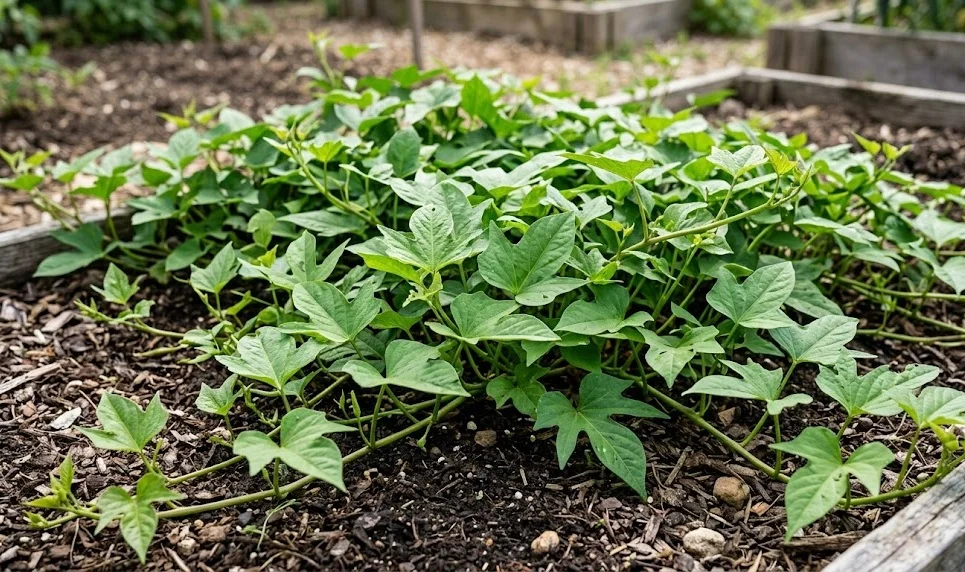
Managing the physical space around your sweet potatoes is just as important as providing nutrients or water. These plants are vigorous crawlers and will quickly attempt to take over any neighboring garden beds if they are not guided properly. You can gently lift and redirect the vines back toward the center of the patch to keep the area organized and manageable. This practice also prevents the vines from rooting at every node, which can sometimes distract the plant from focusing its energy on the main root crop.
Consistency in your daily or weekly garden rounds will reveal much more than any textbook could ever provide about your specific microclimate. You should keep an eye out for any signs of nutrient deficiencies, such as yellowing between the leaf veins or stunted tip growth. Early detection of these issues allows you to amend the soil with organic teas or compost dressings that provide a gentle boost. Ultimately, the goal of care is to maintain a steady state of growth that avoids the feast-or-famine cycles often seen in neglected plots.
Soil maintenance and weed management
Keeping the soil surface loose and breathable is a secondary but vital task for anyone looking to maximize their yield. You should avoid stepping directly on the planting mounds as soil compaction can severely restrict the expansion of the tubers underground. If the ground becomes too hard, the potatoes may end up misshapen or smaller than expected because they have to fight against the pressure of the earth. Lightly aerating the perimeter of the bed with a hand tool can help maintain the necessary soil structure for optimal growth.
More articles on this topic
Weeds are the primary competitors for the limited resources available in your garden bed, especially during the early stages of establishment. You will find that regular hand-weeding is much safer than using heavy tools that might accidentally slice through the shallow roots of your sweet potatoes. As the vines grow and create a dense canopy, they will eventually shade out most of the competing weeds on their own. Until that point, staying on top of the unwanted guests ensures that your crop gets every drop of water and every bit of nitrogen available.
Applying a thick layer of organic mulch can be a game-changer for gardeners who want to reduce their workload and improve plant health simultaneously. Straw or shredded leaves work perfectly for this purpose, providing a barrier that keeps the soil cool and suppresses the germination of weed seeds. As the mulch decomposes over several months, it slowly incorporates organic matter back into the ground, feeding the soil microbiome. This natural cycle mimics the forest floor and creates a rich, spongy environment that sweet potatoes absolutely love to grow in.
In addition to physical weed control, you should consider the timing of your interventions to minimize soil disturbance. Weeding after a light rain is often easier because the soil is pliable and the roots of the weeds release more readily without pulling up large chunks of earth. Be careful not to work the soil when it is overly saturated, as this can lead to clumping and long-term drainage issues. Finding that perfect window for maintenance will make the process much more enjoyable and far less taxing on your body and the plants.
Environmental protection strategies
Sweet potatoes are essentially tropical plants that thrive in heat, but extreme weather events still require a bit of human intervention. If you live in an area prone to sudden summer storms with high winds, you might need to secure the vines or provide a temporary windbreak. Excessive wind can tear the large leaves or even flip the vines over, exposing the underside of the canopy to the harsh sun. A simple row cover or a nearby fence can act as a shield, preserving the integrity of the plant’s photosynthetic factory.
More articles on this topic
Heatwaves can be particularly taxing even for a heat-loving crop, especially when temperatures soar above ninety degrees for several days in a row. You can help your plants cope by applying a light misting in the early morning to increase local humidity around the leaves. Some growers use temporary shade cloth during the peak hours of the day to prevent sunscald on the tender new growth at the tips of the vines. These small acts of protection ensure that the plant continues to manufacture sugars instead of just struggling to survive the heat.
Sudden temperature drops in late summer or early autumn can signal the plant to stop growing and start storing energy, which might be premature. If a cold snap is predicted, covering the beds with frost blankets overnight can buy you a few more weeks of crucial tuber development. You want to keep the soil warm for as long as possible, as the bulk of the potato weight is often added in the final month of the season. Being vigilant about the local weather forecast allows you to act quickly and protect your hard-earned progress.
Drainage is another environmental factor that requires your constant attention, particularly if your garden is situated in a low-lying area. After heavy downpours, you should check that water is not pooling around the base of the stems, as standing water can lead to rot very quickly. If you notice drainage issues, you might need to dig small diversion trenches to guide excess water away from the main planting area. Maintaining a well-drained site is perhaps the most important environmental safeguard you can provide for a root crop.
Monitoring vine health and growth
As the season progresses, you should pay close attention to the color and texture of the vines as they spread across the ground. A healthy sweet potato vine should have a vibrant green or deep purple hue, depending on the specific variety you have chosen to grow. If you notice the stems becoming brittle or losing their flexibility, it could indicate a lack of hydration or an underlying pest issue. Healthy vines are supple and resilient, allowing them to withstand being moved or adjusted during regular garden maintenance tasks.
The speed at which the vines cover the soil is often a good proxy for the health of the root system hidden below. If the growth seems to have stalled during the middle of summer, it might be time to investigate the soil moisture levels or the availability of nutrients. Sometimes, a light application of compost tea can provide the necessary jumpstart to get the foliage moving again. You want to see a steady expansion of the canopy until it completely blankets the designated growing area in your garden.
It is also wise to check the nodes of the vines to see if they are attempting to send out secondary roots into the soil. While this is a natural habit for the plant, many expert growers prefer to discourage this by occasionally lifting the vines off the ground. By preventing these secondary roots from establishing, you force the plant to focus all of its energy on the primary tubers located at the original planting site. This results in larger, more uniform potatoes rather than a bunch of tiny, stringy roots scattered across the bed.
Finally, keep a lookout for any unusual spots or discolorations on the foliage that might suggest a disease is taking hold. Early intervention is key, so removing any suspicious-looking leaves immediately can prevent a small problem from spreading to the entire crop. You should also watch for the presence of beneficial insects like ladybugs or lacewings, which can help keep common pests in check. A balanced ecosystem in your garden bed is one of the best ways to ensure long-term vine health without relying on heavy chemicals.
Equipment and tool selection
Having the right tools on hand makes the daily care of your sweet potatoes much more efficient and less of a chore. A high-quality hand trowel with an ergonomic grip is essential for precise weeding and for checking soil moisture deep near the root zone. You might also find that a dedicated garden hoe with a sharp blade is useful for maintaining the edges of the mounds and keeping the paths clear. Investing in durable tools that feel good in your hand will encourage you to spend more time in the garden observing your plants.
A reliable watering system is perhaps the most important piece of equipment you will use throughout the long growing season. Whether you choose a simple soaker hose or a more complex drip irrigation setup, the goal is to deliver water directly to the soil without wetting the leaves excessively. Timers can be a great addition to your setup, ensuring that your plants receive hydration at the optimal time in the early morning. Consistency is the primary benefit here, as it prevents the soil from drying out and cracking during your busy weeks.
For those who like to keep detailed records, a simple garden journal and a soil thermometer are invaluable tools for long-term success. Recording the dates of planting, the timing of first vine spread, and the soil temperatures helps you identify patterns over several years. You will begin to notice how different varieties respond to your specific care routine and environmental conditions. This data allows you to make informed decisions for the following year, turning your gardening hobby into a more scientific and predictable endeavor.
Lastly, consider the containers and transport tools you will need when it finally comes time to harvest and move the crop. Sturdy garden baskets or crates with good airflow are necessary for collecting the tubers and moving them to a curing area. Avoid using plastic bags or airtight containers, as the potatoes need to breathe to prevent spoilage and allow the skin to toughen up. Having these items ready in advance ensures that the transition from the garden to storage is smooth and organized.
Late season adjustments
As the days begin to shorten and the nights grow cooler, your sweet potatoes will naturally start to shift their focus toward tuber maturity. During this time, you should gradually reduce the frequency of watering to encourage the skins of the potatoes to set and toughen. Too much water late in the season can cause the tubers to split or crack, which significantly reduces their storage life. This transition period is critical for ensuring that the harvest is both bountiful and high in quality.
You might also notice that the foliage begins to lose some of its luster as the plant nears the end of its life cycle. This is perfectly normal and is not necessarily a sign of disease or neglect; rather, the plant is pulling nutrients from the leaves to store in the roots. Resist the urge to fertilize at this stage, as new green growth will only detract from the energy being sent to the tubers. Your primary job now is to protect the crop from any early frosts that could damage the sensitive roots just below the surface.
Checking the size of a few tubers by gently “noodling” around the base of the plant can give you a good idea of when to harvest. If the potatoes have reached your desired size, you can even cut back the vines a few days before you plan to dig them up. This process helps the skin to thicken even further while the tubers are still in the ground, making them more resilient during the digging process. It is a traditional technique used by many professional growers to improve the post-harvest durability of the crop.
Ensure that your curing area is prepared and ready for the influx of fresh potatoes before you start the heavy work of harvesting. You will need a space that is warm, humid, and well-ventilated where the tubers can sit undisturbed for about ten days. Planning this ahead of time prevents the common mistake of leaving harvested potatoes in the sun for too long, which can cause sunscald. A successful end to the season is all about timing and preparation for the next phase of the sweet potato’s journey.
Professional harvest preparation
Preparing for the harvest involves more than just grabbing a shovel and heading out to the garden on a sunny afternoon. You should check the soil moisture levels one last time to ensure the ground is neither bone-dry nor overly muddy. Ideal conditions involve slightly damp soil that falls away from the tubers easily without sticking or causing unnecessary weight. Choosing a day with clear skies and moderate temperatures will make the physical labor much more comfortable for you and safer for the crop.
Sharpening your garden fork or spade is a crucial step that many people overlook until they are already in the middle of the task. A sharp tool slides into the earth with less effort and is less likely to slip and pierce the delicate skin of the sweet potatoes. You should also gather your collection crates and place them strategically around the garden bed to minimize the distance you have to carry the heavy roots. Organization in the field translates to less physical strain and a more efficient workflow during the busiest day of the year.
Think about the labor involved and whether you might need a helping hand to get the job done before the weather turns. Harvesting a large patch of sweet potatoes can be surprisingly strenuous, especially when you are trying to be careful not to damage the crop. Having a friend or family member help with the digging or the gathering can turn a long day of work into a rewarding communal experience. Shared labor also means that the potatoes are moved out of the sun and into the shade much faster, preserving their quality.
Finally, take a moment to appreciate the growth and the journey of the plants from small slips to massive, nutrient-dense tubers. The harvest is the culmination of months of care, watering, and observation that you have invested in your garden. As you pull the first roots from the earth, you will see the direct results of your efforts reflected in the size and health of the crop. This sense of accomplishment is what keeps gardeners coming back to the soil year after year to start the process all over again.