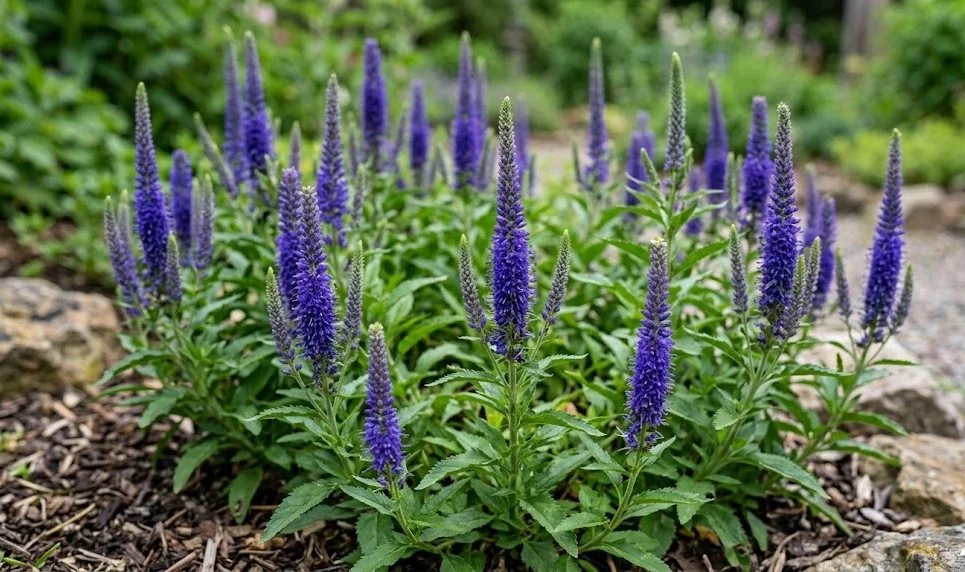

Spiked speedwell is a versatile perennial that adds vertical interest and striking color to garden borders throughout the summer months. Providing the right environment is essential for these plants to reach their full potential in terms of height and bloom density. You will find that these plants are relatively low maintenance once they are established in a suitable spot in your landscape. Observation of their leaf color and stem strength will guide you in making necessary adjustments during the growing season.
The plant thrives best when it is integrated into a landscape that offers plenty of room for its roots to expand without competition. You should ensure that the surrounding plants do not crowd the speedwell too much to allow for good air circulation between the stems. Healthy airflow is a key factor in preventing the development of diseases that often target dense foliage in humid conditions. Keeping a close eye on the physical structure of the plant helps in identifying any early signs of stress or overcrowding.
Every gardener appreciates a plant that returns year after year with even more vigor than the previous season. Spiked speedwell is known for this reliability, especially when the initial care steps are followed precisely during the first year. You should consider the long-term layout of your garden when placing these perennials to avoid frequent transplanting which can cause stress. Constant relocation can weaken the root system and reduce the number of flower spikes produced during the peak of summer.
Understanding the specific needs of this species involves looking at its natural preference for open, airy, and sunny habitats. By replicating these conditions, you create a sustainable environment where the plant can flourish without heavy intervention or chemical support. You will notice that a well-cared-for plant has deep green leaves and vibrant spikes that attract various beneficial pollinators. These visual cues are the best indicators of a successful maintenance routine in your professional or home garden.
Soil management and preparation
The foundation of healthy growth for spiked speedwell lies within the quality and structure of the soil it inhabits. It prefers a medium that is rich in organic matter but retains excellent drainage properties to prevent root issues. You can improve your garden soil by adding compost or well-rotted manure before the planting season begins in earnest. This preparation ensures a steady supply of nutrients as the plant transitions from dormancy to active growth in the spring.
More articles on this topic
Heavy clay soils can be problematic because they hold too much moisture during the rainy periods of the year. If your garden has clay-heavy earth, you might want to incorporate sand or fine gravel to improve the texture and drainage. You should aim for a loamy consistency that allows roots to penetrate deeply without encountering resistance from compacted earth. This deep root growth is vital for the plant’s ability to withstand dry spells later in the summer season.
Soil pH levels also play a significant role in how well the spiked speedwell absorbs minerals from its environment. Ideally, the soil should be neutral to slightly alkaline for the most successful cultivation results over time. You can easily test your soil at home and make adjustments using lime or sulfur if the levels are outside the ideal range. Maintaining the correct chemical balance in the ground supports the metabolic processes and overall health of the plant.
Mulching the area around the base of the plant helps to regulate soil temperature and retain necessary moisture levels. You should use organic mulches like bark chips or straw which will eventually break down and enrich the soil further. Applying a layer of mulch also suppresses weeds that might compete for nutrients and water in the immediate root zone. This simple step significantly reduces the amount of manual labor required for weeding during the busy growing months.
Seasonal adjustments for health
As the seasons change, the requirements for maintaining spiked speedwell also shift to match the environmental conditions. During the early spring, you should focus on removing any dead foliage from the previous year to make room for new shoots. This cleanup process prevents pests from nesting in the debris and allows sunlight to reach the crown of the plant. A fresh start in the spring sets the stage for a productive blooming period later in the year.
More articles on this topic
Mid-summer is the time when the plant is most active and requires the most attention regarding its hydration and nutrient levels. You will notice the flower spikes beginning to fade, which is your cue to perform some light maintenance to encourage more blooms. High temperatures can put stress on the plant, so monitoring for wilted leaves during the afternoon is a good practice. Providing a bit of extra care during heatwaves ensures that the plant remains vibrant until the arrival of autumn.
When autumn arrives, the growth rate of the spiked speedwell naturally slows down as it prepares for the upcoming colder months. You should reduce any heavy fertilization at this time to avoid encouraging tender new growth that might be damaged by frost. It is a good period to assess the overall health of the plant and decide if any structural changes are needed. Preparing the plant gradually for the change in temperature helps it transition into its dormant phase more effectively.
Winter care is mostly passive, but it is still important to ensure the ground does not become waterlogged during thaws. You should avoid stepping on the frozen ground near the plants to prevent soil compaction around the delicate root systems. Even though the plant is dormant, the roots still need a stable environment to survive the freezing temperatures safely. Proper seasonal management throughout the year guarantees that your spiked speedwell remains a permanent fixture in your garden.
Strategic plant positioning
The success of spiked speedwell often depends on how well it is positioned relative to other elements in your garden design. You should place it in a location where it can receive the maximum amount of sunlight available during the day. This plant is a sun-lover and will often lean or become leggy if it is forced to grow in a shaded area. A southern or western exposure usually provides the best light conditions for strong stems and bright flower colors.
Wind protection is another factor to consider when choosing the perfect spot for your speedwell collection. While the stems are generally sturdy, strong gusts can sometimes cause the tall flower spikes to bend or break. You might want to plant them near a fence or among shorter, denser shrubs that can act as a natural windbreak. This strategic placement protects the aesthetic value of the plant and reduces the need for artificial staking.
Consider the height of the spiked speedwell when planning the depth of your garden borders or flower beds. It typically reaches a medium height, making it an ideal candidate for the middle section of a layered planting scheme. You can plant shorter groundcovers in front of it and taller shrubs or grasses behind it to create visual depth. This arrangement ensures that the speedwell is visible without overpowering the smaller plants in the foreground.
Proximity to water sources and ease of access for maintenance should also influence your final positioning decision. You will find it much easier to care for your plants if they are located within reach of a garden hose or irrigation system. Frequent checking for pests and diseases is also more likely to happen if the plants are in a highly visible area. A well-placed plant is not only healthier but also more enjoyable for you to observe throughout the growing season.
Biodiversity and companion planting
Integrating spiked speedwell into a diverse garden ecosystem provides numerous benefits for both the plant and the local wildlife. It is highly attractive to bees, butterflies, and other pollinators that are essential for a healthy and productive garden. By planting it alongside other nectar-rich flowers, you can create a vibrant hub for beneficial insects in your backyard. This increased biodiversity helps to naturally manage pest populations and promotes a more resilient garden environment.
Good companion plants for spiked speedwell include those that share similar requirements for sun and well-drained soil conditions. You might consider pairing it with silver-foliaged plants like Artemisia or Lavender to create a beautiful color contrast. These combinations not only look professional but also ensure that all plants in the group thrive under the same care routine. Choosing the right neighbors for your speedwell can significantly enhance the overall impact of your landscaping efforts.
Avoid planting the speedwell near aggressive spreaders that might encroach on its space and steal vital nutrients from the soil. You want to maintain a balance where each plant has enough room to grow to its natural size and shape. Slow-growing perennials or clump-forming grasses make excellent companions because they respect the boundaries of their neighbors. Maintaining clear margins between different species prevents the garden from looking cluttered and promotes better plant health.
You can also use spiked speedwell to fill gaps in the garden that appear after early spring bulbs have finished blooming. Its lush green foliage provides an excellent backdrop for the fading leaves of tulips or daffodils in late spring. As the summer progresses, the speedwell takes center stage with its own impressive display of vertical flower spikes. This succession planting technique ensures that your garden remains colorful and full of life from spring until fall.
Resilience and plant longevity
Spiked speedwell is recognized for its impressive resilience against common environmental stressors that might affect less hardy perennials. Once the root system is fully established, it can tolerate short periods of drought without showing significant signs of distress. This durability makes it an excellent choice for gardeners who want a reliable plant that does not require constant pampering. You will find that it recovers quickly from minor setbacks once the ideal growing conditions are restored.
The lifespan of a spiked speedwell plant can be extended through regular maintenance and thoughtful care practices over several years. You should avoid over-fertilizing, as this can lead to excessive foliage growth at the expense of root strength and flower quality. A balanced approach to nutrition keeps the plant strong and less susceptible to the effects of aging or disease. Monitoring the plant’s vigor each year will help you determine when it might need a bit of extra support.
Hardiness is one of the most valued traits of this species, allowing it to survive in various climates across many different regions. It can withstand cold winters and hot summers, provided it has been given a good start in the garden. You can enhance this natural hardiness by ensuring the plant is never sitting in standing water during the winter months. Protecting the crown from extreme temperature fluctuations also contributes to the long-term survival of the individual plants.
As the plant matures, you might notice that the center of the clump becomes less productive or starts to die out. This is a natural part of the plant’s lifecycle and indicates that it is time for rejuvenation through division or pruning. Taking action at the right time ensures that the plant remains youthful and continues to produce high-quality blooms. With the right care, your spiked speedwell can be a beautiful part of your garden for many seasons to come.
Professional monitoring and observation
Developing a professional eye for the subtle changes in your spiked speedwell will allow you to intervene before minor issues become problems. You should make it a habit to inspect the underside of the leaves for any signs of hidden pests or early fungal growth. Early detection is the most effective way to manage garden health without relying on heavy chemical treatments later on. Your daily or weekly walks through the garden are the perfect time for these quick but essential observations.
Pay close attention to the way the plant responds to changes in the weather, such as heavy rain or prolonged dry spells. If the leaves start to turn yellow or the stems begin to droop, the plant is sending you a clear message about its needs. You should adjust your watering or mulching strategy based on these physical cues to restore the plant’s natural balance. Learning to interpret these signs is a skill that will improve your overall success as a gardener over time.
Recording your observations in a garden journal can provide valuable insights into the performance of your speedwell over several seasons. You can note when the first flowers appear, how long the blooming period lasts, and any specific challenges you encountered. This historical data helps you plan for the future and make more informed decisions about fertilization and pruning. Tracking the progress of your plants adds a professional layer to your hobby and enhances your connection to the land.
Sharing your experiences with other gardeners can also provide new perspectives on the best ways to care for spiked speedwell. You might discover local variations in pest behavior or soil conditions that are unique to your specific geographic area. Engaging with a community of plant lovers allows you to exchange tips and learn from the successes and failures of others. Professional gardening is as much about continuous learning and observation as it is about the physical work in the soil.