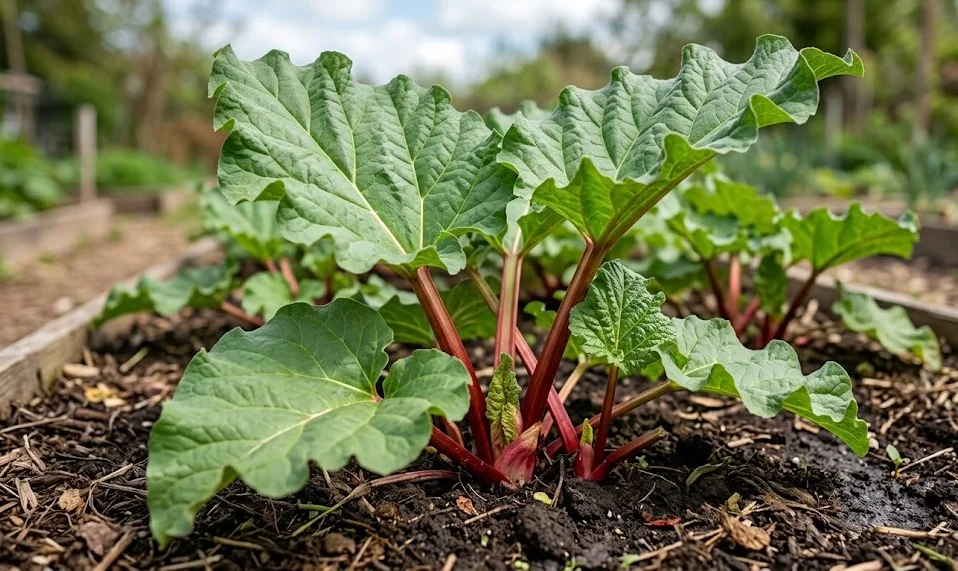

Growing rhubarb effectively requires a deep understanding of its perennial nature and specific environmental needs. This sturdy plant thrives best when it is given ample space to spread its large, iconic leaves and thick stalks. While many gardeners consider it a set-and-forget crop, consistent attention leads to a much more productive harvest over several decades. Establishing a routine for checking soil moisture and plant health ensures that your garden remains vibrant and fruitful throughout the growing season.
Managing the soil environment is the first step toward long-term success with this vegetable. The earth must be rich in organic matter to support the heavy feeding habits of these large perennials. You should regularly test the acidity levels to ensure the ground remains slightly acidic to neutral for optimal growth. Well-drained soil prevents the crown from rotting during the wet winter months when the plant is dormant.
Surface maintenance involves keeping the area around the base of the stalks completely free of invasive weeds. These competing plants can quickly rob the soil of the essential nutrients and moisture that rhubarb needs to produce thick stems. Manual weeding is often safer than using chemical herbicides which might damage the sensitive root system of the plant. A clean bed also allows for better air circulation which significantly reduces the risk of fungal infections.
Mulching is a critical practice that helps regulate the temperature of the soil throughout the changing seasons. A thick layer of straw or composted bark keeps the roots cool during the heat of the summer months. This organic layer also helps retain moisture so that you do not have to water the plants as frequently. As the mulch breaks down over time, it naturally enriches the soil with valuable nutrients for future growth.
Managing the growth cycle
Removing the tall flower stalks as soon as they appear is a vital task for any serious gardener. When the plant focuses its energy on producing seeds, the quality and quantity of the edible stalks will decline rapidly. You should cut these flower spikes at the very base to redirect all resources back into the root system. This practice ensures that the plant remains vigorous and continues to produce tender stems for several months.
More articles on this topic
Observing the leaves can tell you a lot about the overall health and nutritional status of the plant. Healthy leaves should be broad and dark green without any yellowing or spotting on the surface. If the foliage begins to look pale, it may indicate a need for a specialized nitrogen boost. Always remember that only the stalks are edible and the large leaves must never be consumed by humans or pets.
Seasonal cleanup is necessary to prevent the accumulation of pests and diseases in the garden bed. Once the first hard frost hits, the foliage will naturally begin to die back and turn brown. You should remove this dead material promptly to stop it from becoming a breeding ground for harmful insects. Leaving the area clear during the winter helps the plant emerge more healthily when the weather warms up.
Proper harvesting techniques play a significant role in maintaining the strength of the perennial crown. Instead of cutting the stalks with a knife, you should grasp them near the base and pull with a slight twist. This method prevents leaving small stubs that could potentially rot and damage the heart of the plant. Always leave at least a third of the stalks on the plant to ensure it has enough energy to recover.
Soil health and drainage
The structure of the ground where you grow your crops dictates the longevity of the entire patch. Sandy soils may drain too quickly and require frequent additions of heavy compost to hold onto water. Conversely, heavy clay soils need to be amended with grit to prevent water from pooling around the roots. Achieving the right balance creates an environment where the roots can breathe and expand without any restriction.
More articles on this topic
Oxygen levels within the root zone are just as important as the presence of water and nutrients. Compacted soil prevents the roots from reaching deep into the earth to find the resources they need. You should avoid stepping directly on the planting beds to keep the earth light and airy for the roots. Using raised beds is an excellent solution for gardeners who struggle with naturally heavy or compacted garden soil.
Maintaining a consistent level of organic matter is a lifelong commitment for any successful rhubarb grower. Digging in well-rotted manure every spring provides a slow-release source of energy for the developing stems. This practice also improves the texture of the soil, making it easier for beneficial worms to thrive. A healthy population of earthworms indicates that the soil biology is functioning perfectly for your vegetable crops.
Water retention can be improved by adding coconut coir or peat-alternative products to the planting holes. These materials act like a sponge, holding onto moisture and releasing it slowly as the plant requires it. This is especially helpful during the mid-summer months when the sun is at its strongest and evaporation is high. A stable moisture level prevents the stalks from becoming woody or stringy and maintains their crisp texture.
Nutrient requirements and feeding
Nitrogen is the primary fuel for the rapid leaf and stalk development seen in early spring. You should apply a balanced organic fertilizer just as the first red buds begin to peek through the soil. This early boost helps the plant establish a strong canopy of leaves that will power the rest of the season. Avoid high-nitrogen fertilizers late in the summer as this can lead to tender growth that is susceptible to frost.
Potassium is another essential element that strengthens the internal structure of the stalks and improves disease resistance. Including wood ash or seaweed-based feeds can provide this nutrient in a form that is easily absorbed by the roots. This mineral also helps the plant manage its internal water balance more effectively during periods of environmental stress. Stronger cell walls mean the stalks will be less likely to collapse under their own significant weight.
Phosphorus supports the development of a massive and healthy root system beneath the surface of the soil. While rhubarb is known for its foliage, the strength of the crown is what determines the yield. Adding bone meal or rock phosphate during the initial planting phase sets the stage for years of success. A deep root system allows the plant to access moisture even during the driest weeks of the year.
Micronutrients like magnesium and calcium should not be overlooked when planning your fertilization schedule. These elements are necessary for the complex biochemical processes that occur within the large leaves of the plant. Using a high-quality compost often provides these trace elements in sufficient quantities for most domestic garden settings. If you notice unusual patterns on the leaves, it might be time for a professional soil analysis.
Impact of environmental stress
Extreme heat can cause the plant to enter a temporary state of semi-dormancy to protect its core. During these periods, the stalks may become limp and the leaves might wilt despite having enough water. Providing some temporary shade during the hottest part of the afternoon can help the plant stay productive. It is important to monitor the plants closely when temperatures rise above thirty degrees Celsius for extended periods.
High winds can be particularly damaging to the large and heavy leaves of the rhubarb plant. The stalks can act like sails, causing the crown to be rocked back and forth and potentially damaging the roots. Planting your crop in a sheltered location or using low windbreaks can prevent this physical damage. Stalks that are bent or broken by the wind should be harvested immediately to prevent further stress.
Late spring frosts are a common challenge for gardeners who live in cooler or temperate climates. While the plant is very hardy, a sudden drop in temperature can damage the tender new growth. Covering the emerging crowns with a bucket or horticultural fleece overnight can save the early harvest. If damage does occur, remove the affected stalks so the plant can focus on producing new, healthy growth.
Inconsistent moisture levels lead to a condition where the stalks may split or become hollow inside. This is often caused by a period of heavy rain following a long dry spell in the garden. Keeping the soil consistently damp through regular watering and mulching is the best way to avoid this problem. Split stalks are still edible but they do not store as well and should be used quickly.
Seasonal maintenance routines
Spring is the busiest time of year for maintaining a healthy and productive rhubarb patch. As soon as the soil can be worked, you should clear away any remaining winter debris from the area. This is the perfect moment to apply your first round of fertilizer and a fresh layer of mulch. Early attention ensures that the plant has everything it needs for the primary growth spurt of the year.
Summer maintenance is largely focused on irrigation and monitoring for any signs of pest activity. You must ensure that the plants receive at least two centimeters of water every week through rain or manual watering. This is also the time when you might need to thin out some of the leaves to improve airflow. Constant vigilance allows you to catch any problems before they become serious threats to the crop.
Autumn is the season for preparation and allowing the plant to build up its energy reserves. You should stop harvesting stalks by mid-summer to let the remaining leaves nourish the crown for the winter. As the leaves begin to yellow and die back, you can gradually reduce the amount of water provided. This transition period is essential for the long-term survival of the perennial vegetable in your garden.
Winter is the time for the plant to rest and undergo the necessary chilling period it requires for growth. There is very little for the gardener to do during these cold months except protect the crown. You can add a light layer of compost over the top of the sleeping plant to provide insulation. This period of dormancy is what allows the rhubarb to burst forth with such energy in the early spring.
Long term plant health
A single rhubarb plant can remain productive for twenty years or more if it is cared for correctly. To maintain this level of vigor, you must occasionally divide the crown every five or six years. This process rejuvenates the plant and prevents the center of the crown from becoming unproductive and woody. Dividing also provides you with new plants to expand your garden or share with fellow enthusiasts.
Crop rotation is not strictly necessary for rhubarb since it is a perennial, but the site must be chosen carefully. Once established, the plant does not like to be moved, so the initial preparation must be thorough. If you do decide to start a new patch, choose a location that has not hosted similar crops recently. This helps avoid the buildup of soil-borne pathogens that could affect the health of the new plants.
Observing the size of the stalks over the years will give you a clear indication of the plant’s health. If you notice that the stems are becoming significantly thinner each year, the plant may be exhausted. This is often a sign that the soil nutrients are depleted or that the crown needs to be divided. Proactive management based on these visual cues will keep your harvest consistent and of high quality.
Sustainability in the garden is achieved by working with the natural cycles of the rhubarb plant. Using organic fertilizers and natural pest control methods keeps the ecosystem of your garden bed in balance. By providing the right conditions, you allow the plant to defend itself against many common environmental challenges. A well-maintained rhubarb patch is a testament to the skill and patience of a dedicated gardener.