
Managing the red hot poker requires a blend of patience and horticultural precision to ensure its vibrant spikes remain a highlight of the garden. This perennial plant is known for its striking torch-like flowers that transition from bright red to yellow as they mature through the season. While it is relatively hardy once established, understanding its specific environmental needs is the first step toward long-term success. You should focus on creating a habitat that mimics its native South African conditions to promote vigorous growth and consistent flowering.
General growth characteristics and habits
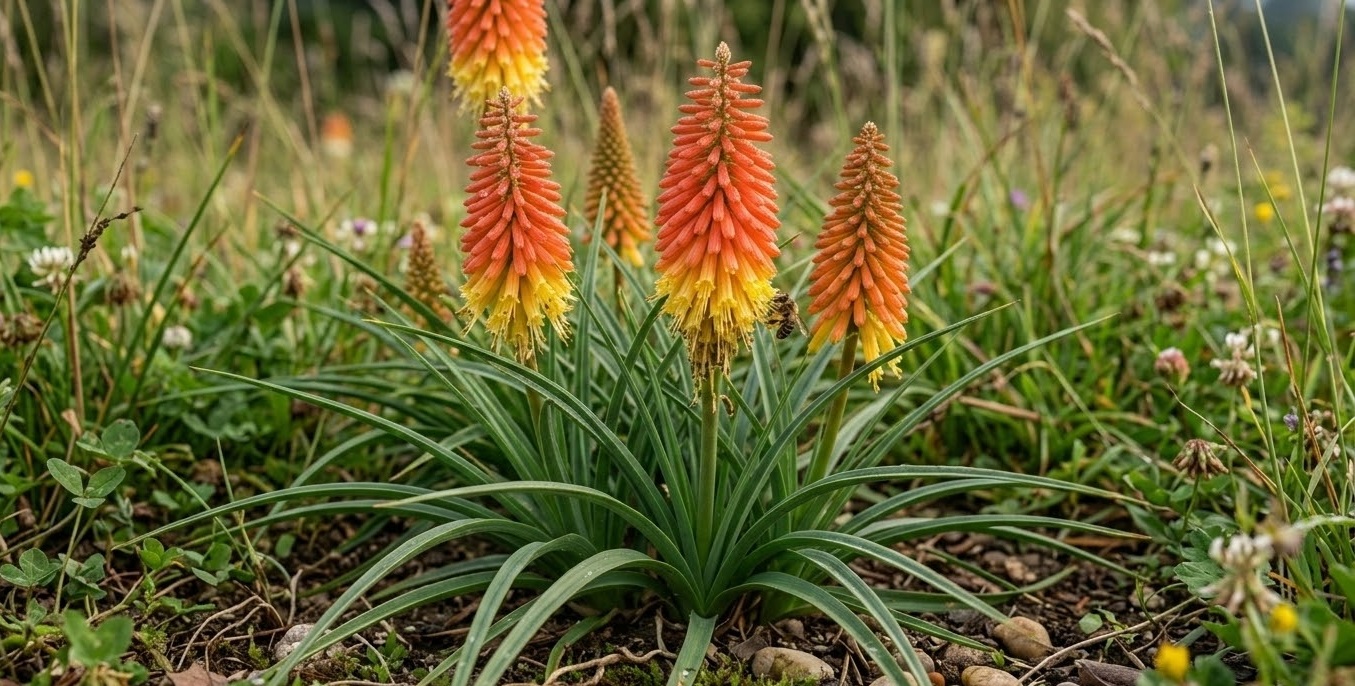
The structure of the red hot poker is defined by its architectural foliage and impressive flower stalks that can reach significant heights. It grows in dense clumps of strap-shaped leaves that remain green for a large portion of the year, providing texture even when the plant is not in bloom. You will notice that the flower spikes emerge from the center of these clumps, standing tall above the foliage to attract pollinators like bees and hummingbirds. Understanding this growth pattern helps you decide where to place the plant so it does not overshadow smaller perennials in your garden beds.
The lifespan of this perennial is quite long if it is maintained correctly through the various seasons of the year. It tends to expand its footprint over time, creating a more dramatic visual impact as the root system matures and strengthens. You should monitor the density of the clump every few years to ensure that it has enough space to breathe and access nutrients. A healthy specimen will produce multiple flower spikes simultaneously, creating a fiery display that lasts for several weeks during the peak of summer.
One of the most interesting aspects of its habit is how the flowers change color from the top down. This color gradient is a natural indicator of the plant’s development and provides a dynamic element to your landscape design. As an expert gardener, you can use this predictable pattern to coordinate with other late-summer bloomers in your borders. The upright nature of the stalks also makes them resistant to wind damage, although some support might be needed in exceptionally exposed areas.
Seasonal transitions affect the plant’s metabolism and its overall appearance throughout the growing cycle. In the early spring, you will see fresh green shoots emerging from the base as the soil begins to warm up. By mid-summer, the plant reaches its full ornamental potential, requiring minimal intervention if the initial care steps were followed. As autumn approaches, the energy of the plant shifts back toward the roots to prepare for the dormant period.
More articles on this topic
Soil requirements for optimal health
The foundation of a healthy red hot poker lies in the quality and structure of the soil in which it is planted. This species is particularly sensitive to drainage, as stagnant water around the roots can quickly lead to rot and plant death. You should aim for a soil profile that is rich in organic matter but retains a gritty or sandy texture to allow for rapid water movement. Testing the permeability of your garden bed before planting is a wise professional step to avoid future complications.
Nutrient levels in the soil should be moderate rather than excessively rich, as too much nitrogen can lead to lush foliage at the expense of flowers. A neutral to slightly acidic pH is generally preferred, though the plant is somewhat adaptable to varying soil chemistry. You can improve heavy clay soils by incorporating generous amounts of compost and fine gravel to break up the dense structure. This intervention ensures that the roots have access to the oxygen they need to thrive during the wet seasons.
Consistency in the soil environment helps the plant establish a deep and resilient root system over time. While the plant can tolerate some periods of drought, the soil should ideally remain slightly moist during the peak of the growing season. Avoiding compacted soil is crucial, as the fleshy roots of the red hot poker need space to expand without physical resistance. You can maintain soil structure by avoiding heavy foot traffic around the base of the plant and using organic mulches.
Long-term soil health can be managed through the occasional addition of well-rotted manure or balanced compost. These additions should be applied as a top dressing rather than being deeply dug in, which could disturb the established root network. Observing the color and vigor of the leaves will give you a good indication of whether the soil is providing the necessary minerals. If the foliage appears pale or stunted, it may be time to reassess the nutrient balance of your garden bed.
More articles on this topic
Ideal location and microclimate considerations
Choosing the right spot in your garden is perhaps the most critical decision you will make for the red hot poker. It requires an open, airy position where it can receive the maximum amount of direct sunlight available. Without sufficient light, the flower stalks will be weak and may fail to develop their characteristic vibrant colors. You should also consider the surrounding plants to ensure there is enough airflow to prevent the buildup of humidity around the leaves.
The microclimate of your garden plays a significant role in how well the plant handles temperature fluctuations and wind. While the red hot poker is quite sturdy, a location that offers some protection from harsh northern winds can prevent leaf burn in late winter. South or west-facing slopes are often ideal because they capture the warmth of the sun and usually offer better natural drainage. You should observe how frost settles in your garden to avoid planting in low-lying “frost pockets” where cold air accumulates.
Proximity to structures like walls or fences can provide a heat-sink effect that benefits the plant during the cooler months. These surfaces absorb solar radiation during the day and release it slowly at night, keeping the immediate environment slightly warmer. However, make sure the plant is not placed so close to a wall that it suffers from a lack of rainfall or poor air circulation. Balancing protection with exposure is the key to creating a thriving environment for this architectural perennial.
Urban environments often present unique microclimate challenges, such as the heat island effect or reflected light from glass surfaces. In these settings, you might find that the red hot poker blooms earlier than it would in a rural or suburban garden. You should adjust your care routine based on these local observations rather than strictly following a general calendar. Being attentive to how your specific garden site interacts with the weather will allow you to fine-tune your maintenance approach.
Seasonal maintenance and monitoring
As a professional gardener, you know that maintenance is an ongoing process that changes with the rhythm of the year. In the spring, your primary focus should be on clearing away any debris and checking the crown for signs of new growth. This is also the time to apply a light layer of mulch to help regulate soil temperature and suppress weeds. Early intervention during this period sets the stage for a successful flowering season later in the summer.
During the height of summer, the main task is deadheading the spent flower spikes to encourage the plant to keep producing new ones. By cutting the stalks back to the base of the foliage, you prevent the plant from wasting energy on seed production. You should also monitor the leaves for any signs of stress, such as wilting or discoloration, which might indicate a need for adjusted watering. Keeping the area around the base clean will reduce the risk of pests hiding in the foliage.
As the season transitions into autumn, the maintenance tasks shift toward preparing the plant for the upcoming cold. You should stop any fertilization at this point to allow the tissues to harden off naturally before the first frost. Some gardeners prefer to tie the leaves together at the top to protect the crown from excessive winter moisture. This simple step can be very effective in regions with high winter rainfall or heavy snow.
Winter monitoring is often overlooked, but it is essential for ensuring the survival of the red hot poker in colder climates. You should periodically check that any protective mulches have not been washed away or disturbed by animals. If you notice standing water near the plant during a thaw, you should take immediate steps to improve drainage. This proactive approach prevents the roots from rotting during their dormant phase, ensuring a strong return in the spring.
Strategies for enhancing blooming performance
To achieve the most dramatic display of flowers, you need to understand the factors that trigger and sustain the blooming process. Light is the most important element, but the age of the plant and its nutrient status also play vital roles. A young plant may not bloom as profusely in its first year, as it is still focusing its energy on root development. You can support this process by ensuring the plant has a stable environment with minimal competition from weeds.
The timing of your maintenance actions can directly influence the number and quality of the flower spikes. For instance, applying a potassium-rich fertilizer in late spring can give the plant the boost it needs for flower production. You should avoid high-nitrogen fertilizers at this stage, as they will only encourage more leaf growth. Consistent watering during the period when the stalks are forming will ensure that the flowers reach their full height and brilliance.
Spacing is another professional consideration that affects blooming performance over the long term. If the plants are too crowded, they will compete for resources, and the individual flower spikes will become smaller and less frequent. You should plan your garden layout to allow each clump enough room to reach its full mature width. If you notice a decline in flowering in an older clump, it is often a sign that the plant needs to be divided.
Selecting the right variety for your specific climate can also make a significant difference in blooming success. Some cultivars are bred for earlier flowering, while others provide a late-season burst of color when most other plants are fading. By mixing different varieties, you can extend the red hot poker season in your garden for several months. Always research the specific requirements of the cultivar you choose, as some may have slightly different needs than the standard species.
Long-term health and vitality strategies
Ensuring the longevity of your red hot poker involves more than just daily care; it requires a long-term vision for the garden. Every few years, you should assess the overall vigor of the plant and determine if it is still thriving in its current location. Soil depletion can occur over time, so refreshing the surrounding earth with organic matter is a necessary periodic task. You should also be mindful of how neighboring plants have grown and whether they are now casting too much shade.
One of the best ways to maintain vitality is through the process of periodic division, which rejuvenates the root system. This should ideally be done in early spring or late autumn when the plant is not in its active blooming phase. By breaking up large, congested clumps, you provide each new section with fresh soil and space to expand. This practice not only keeps the original plant healthy but also provides you with new specimens to use elsewhere in the garden.
Vigilance against environmental stressors is a hallmark of an expert gardener’s approach to plant health. This includes monitoring for changes in weather patterns that might bring unusual periods of heat or cold. By being prepared to provide extra water or temporary shade during extreme conditions, you can prevent permanent damage to the plant. Building resilience through consistent, high-quality care is the most effective way to ensure the plant remains a permanent fixture.
Documentation can be a helpful tool for tracking the health of your garden over many years. Keeping a simple log of when the plants bloom, when they were divided, and any issues that arose can provide valuable insights. This information allows you to identify patterns and make informed decisions about future care or planting projects. A professional approach to gardening involves learning from each season to improve the outcomes of the next.
Integration into professional landscape design
The red hot poker is a versatile plant that offers numerous possibilities for creative and professional landscape design. Its vertical form makes it an excellent focal point in a mixed perennial border, where it can break up the horizontal lines of lower-growing plants. You can use its vibrant colors to create “hot” borders with reds, oranges, and yellows, or use it as a dramatic contrast against cool blue or purple flowers. Its architectural shape also works well in modern, minimalist garden designs where structure is key.
Consider the seasonal interest that the plant provides when planning your garden layout for the entire year. The foliage remains attractive for a long period, providing a green backdrop for spring-blooming bulbs before the poker flowers emerge. In the late season, the drying flower stalks can even provide some interest if left on the plant, though most gardeners prefer to remove them. Thinking about the plant’s appearance in all four seasons ensures a more cohesive and professional result.
Wildlife integration is another important aspect of modern landscape design that the red hot poker supports beautifully. By planting these in groups, you create a significant nectar source that will attract a variety of beneficial insects to your garden. This contributes to a healthier ecosystem and provides the added interest of watching pollinators at work. Designing with biodiversity in mind is a key trend in professional horticulture that this plant fits perfectly.
Finally, think about the practical aspects of where you place the plant to ensure it is easy to maintain. It should be accessible enough for you to deadhead the flowers and manage the foliage without trampling other delicate plants. Placing it near the middle or back of a border is usually best due to its height and expansive nature. With careful planning and expert care, the red hot poker will reward you with years of spectacular, fire-like beauty.