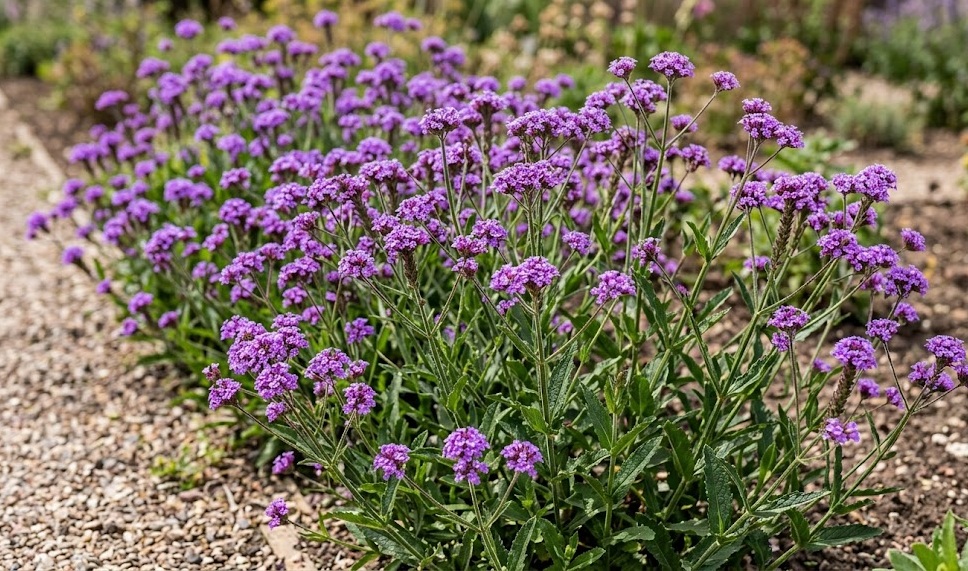

Purple verbena is a resilient and stunning addition to any garden landscape, offering vibrant hues that last throughout the warmer months. Mastering the maintenance of this perennial requires an understanding of its specific environmental preferences and growth habits. By providing the right conditions, you can ensure a lush carpet of blossoms that attracts pollinators and enhances curb appeal. This guide delves into the professional nuances of keeping these plants healthy and vigorous for multiple seasons.
Establishing a routine check for soil health is the first step in successful plant management. You should monitor the drainage capabilities of the bed to prevent root saturation during heavy rains. Adding organic matter annually helps maintain the structure needed for root expansion. Consistent observation allows you to identify minor issues before they become systemic problems.
Air circulation is another critical factor that influences the overall health of the foliage. Spacing the plants correctly prevents the buildup of humidity around the stems and leaves. You should avoid overcrowding to ensure that every individual plant receives adequate airflow. This simple spatial management significantly reduces the risk of common garden ailments.
Seasonal transitions require specific adjustments to your maintenance schedule to protect the vitality of the plant. During the peak of summer, the focus shifts toward maintaining hydration and removing spent blooms. As autumn approaches, you must prepare the plant for a period of rest and reduced activity. Understanding these natural cycles ensures that the plant remains a permanent fixture in your garden.
Foundational soil management
The quality of the soil serves as the primary engine for the growth and flowering of the plant. You should aim for a loamy texture that allows roots to penetrate deeply without much resistance. Testing the pH levels periodically ensures that the environment remains slightly acidic to neutral. Well-balanced soil provides the necessary foundation for the plant to withstand environmental pressures.
More articles on this topic
Nutrient availability is closely tied to the organic content present in the ground where you plant. Integrating composted materials improves the soil’s ability to hold moisture while providing slow-release energy. You will notice a significant difference in bloom density when the soil is properly enriched. Avoid using heavy clays that trap water and suffocate the delicate root system.
Drainage remains the most important physical characteristic of the planting site for this species. You can improve poor drainage by creating raised beds or incorporating sand and gravel into the mix. Water should never stand around the base of the plant for extended periods. Professional gardeners always prioritize drainage to ensure the long-term survival of the root architecture.
Mulching provides an extra layer of protection and helps regulate the underground temperature. You should apply a thin layer of bark or straw to suppress weeds and conserve moisture. Be careful not to pile the mulch directly against the stems to avoid rot. A well-applied mulch layer acts as a buffer against the intense heat of the midday sun.
Seasonal maintenance rhythms
The beginning of the growing season is the ideal time to assess the overall condition of the garden. You should look for new growth emerging from the base as the weather begins to warm. Clearing away any debris from the previous year allows sunlight to reach the crown of the plant. This early intervention sets the stage for a productive and colorful summer.
More articles on this topic
During the height of the flowering period, the plant requires consistent attention to maintain its appearance. You will find that regular deadheading encourages the production of new flower spikes throughout the season. Monitoring the weather patterns helps you adjust your care routine based on heatwaves or dry spells. Staying proactive during the summer ensures that the display remains vibrant and full.
As the temperatures begin to drop in late summer, the growth rate will naturally start to slow down. You should reduce the frequency of intensive care tasks to allow the plant to harden off. This transition period is vital for the plant to store energy in its root system for the coming year. Observing these subtle changes helps you synchronize your efforts with the plant’s biological clock.
Winter care involves protecting the plant from extreme conditions while it remains in a dormant state. You should avoid heavy pruning during the coldest months to prevent exposing sensitive tissues to frost. Keeping the area clean of fallen leaves prevents the harboring of pathogens during the wet season. Proper winter management ensures a successful return once the spring temperatures arrive.
Managing growth and form
The natural habit of this plant is somewhat sprawling, which can be managed through strategic intervention. You can encourage a more upright and dense form by pinching back the tips of young stems. This practice promotes branching and results in a more compact and floriferous specimen. Regular monitoring of the plant’s shape helps you maintain the desired aesthetic in your borders.
Spatial competition with neighboring plants can affect the vigor and spread of the foliage. You should ensure that faster-growing species do not overshadow the verbena and limit its access to resources. Thinning out the surrounding vegetation may be necessary to preserve the health of the individual plants. Maintaining clear boundaries in the garden helps every species thrive in its designated spot.
Ground cover management is an effective way to utilize the sprawling nature of the plant to your advantage. You can allow the stems to knit together to form a dense mat that naturally suppresses weeds. This approach reduces the need for manual weeding and creates a cohesive visual effect. Professional landscapes often use this technique to fill gaps and create a lush environment.
Aesthetic refinement involves the removal of any yellowing or damaged leaves that may appear over time. You should use sharp shears to make clean cuts and avoid tearing the plant’s tissues. Keeping the foliage clean and healthy improves the plant’s ability to photosynthesize efficiently. This attention to detail reflects a professional level of care and dedication to the garden.
Nutrient and energy cycles
The plant requires a balanced supply of minerals to support both its vegetative growth and flower production. You should focus on providing a steady source of energy rather than sudden bursts of high-nitrogen fertilizers. Over-fertilizing can lead to excessive leaf growth at the expense of the beautiful purple flowers. Striking the right balance is key to achieving a professional and harmonious result.
Micronutrients play a subtle but essential role in the metabolic processes of the root system. You might consider adding a trace element supplement if you notice any unusual discoloration in the leaves. Iron and magnesium are particularly important for maintaining the deep green color of the foliage. Healthy leaves are a direct indicator of a well-nourished and functional root system.
Organic amendments are often preferred for their ability to improve soil health over the long term. You can top-dress the soil with well-rotted manure or leaf mold during the spring months. These materials break down slowly and provide a consistent environment for beneficial soil organisms. A living soil is much more effective at supporting hardy perennials than a sterile medium.
Water-soluble options can be used for a quick boost during the peak flowering stage if necessary. You should apply these treatments early in the morning to avoid leaf burn under the hot sun. Always follow the manufacturer’s instructions to prevent the buildup of salts in the soil. Using a combination of slow-release and liquid feeds provides a comprehensive nutrition plan.
Environmental stress management
Heat tolerance is one of the standout features of this species, but extreme conditions still require monitoring. You will notice the leaves curling slightly if the plant is under severe heat stress during the day. Providing a deep watering during the evening can help the plant recover and prepare for the next day. Resilience is built through consistent care and understanding of the local microclimate.
Wind exposure can lead to rapid desiccation of the foliage and physical damage to the stems. You should consider planting in a sheltered location or providing a temporary windbreak during storms. Sturdy stems are less likely to break, but the sprawling habit makes them susceptible to being tossed around. Protecting the plant from physical stress preserves its structural integrity throughout the season.
Urban environments often present unique challenges such as pollution and limited soil volume. You should choose containers or planting beds that allow for adequate root expansion even in tight spaces. Regular cleaning of the leaves can remove dust and pollutants that may clog the stomata. Adapting your care routine to the specific urban conditions ensures success in city gardens.
Competition for water is a common stress factor in densely planted mixed borders. You must ensure that the verbena receives its fair share of hydration among thirstier neighbors. Using drip irrigation systems can deliver water directly to the roots and minimize waste. Managing resource allocation is a hallmark of professional garden maintenance and design.
Long term health strategies
Maintaining the vigor of the plant over several years requires periodic rejuvenation of the stock. You might notice that older specimens become woody and produce fewer flowers as they age. Replacing or dividing these plants every few years keeps the garden looking fresh and productive. Continuous renewal is an essential strategy for a professional and enduring landscape display.
Record keeping helps you track the performance of the plants under different weather conditions. You can note when the first blooms appear and how the plants respond to various treatments. This data allows you to refine your care techniques and predict future needs more accurately. A professional approach involves learning from each season to improve the next year’s results.
Encouraging biodiversity in the garden supports the natural health of the individual plants. You should welcome beneficial insects that prey on common pests and help with pollination. Creating a balanced ecosystem reduces the need for chemical interventions and promotes a self-sustaining environment. Healthy plants are always part of a larger, vibrant, and diverse biological network.
Finally, the joy of gardening comes from the consistent interaction with the living world around you. You will find that the time spent caring for the verbena is rewarded with a spectacular and reliable display. Sharing your success and knowledge with other enthusiasts strengthens the gardening community. Professional care is as much about the process as it is about the final visual result.