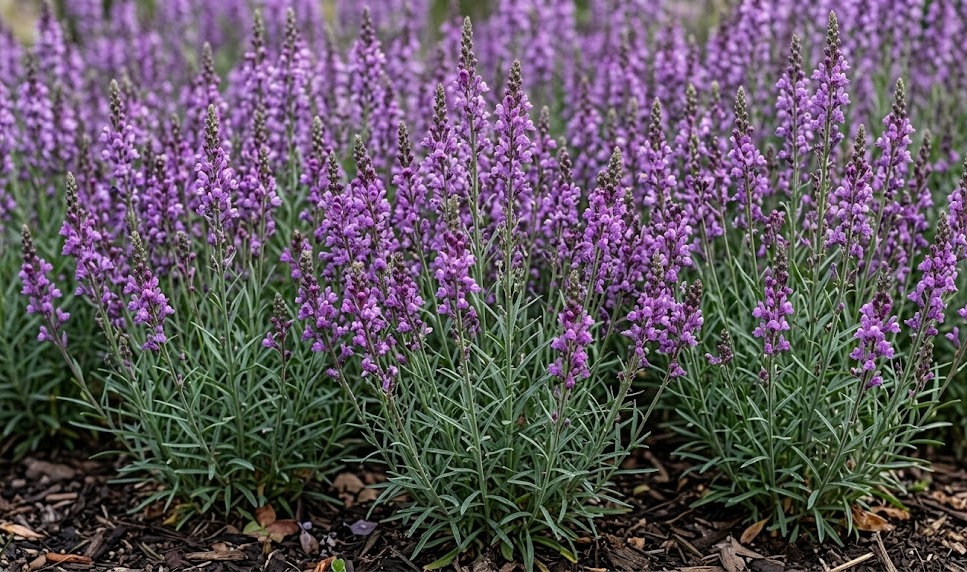

Maintaining the slender and elegant appearance of purple toadflax requires a consistent but relatively low-effort approach throughout the growing season. This perennial plant is highly valued by gardeners for its ability to provide vertical interest and a soft texture to borders without demanding constant attention. Understanding the natural lifecycle of the species is the first step toward achieving a healthy and vibrant display in any horticultural setting. Professional care focuses on balancing the plant’s inherent vigor with the specific aesthetic goals of the landscape design.
Daily monitoring during the height of the summer ensures that the tall flower spikes remain upright and healthy. While the stems are generally sturdy, they can occasionally lean if the surrounding vegetation does not provide enough support. Gardeners should observe the overall health of the foliage, looking for deep green colors that indicate proper nutrient uptake. Regular inspection allows for the early detection of any environmental stress that might affect the longevity of the blooms.
The adaptability of this plant makes it a favorite for both cottage gardens and more contemporary minimalist designs. It thrives in various conditions, but the most impressive specimens are always the result of deliberate and thoughtful care. Experts recommend keeping a garden journal to track the performance of the plants over several seasons. This data helps in refining the maintenance schedule to match the specific microclimate of the garden.
Successful cultivation also depends on the interaction between the plant and its neighbors in the flower bed. Competing weeds should be removed promptly to ensure that the purple toadflax has access to all available resources. Mulching around the base can help in suppressing weed growth while also maintaining a tidy appearance. A clean garden floor not only looks professional but also reduces the hiding spots for potential pests.
Soil and environment management
The physical structure of the soil plays a critical role in the long-term health of these perennials. They prefer a medium that allows for rapid drainage, as waterlogged roots can lead to a decline in vigor very quickly. Adding grit or sharp sand to heavier soils can significantly improve the growing environment for these vertical beauties. A well-aerated soil structure encourages deep root penetration, which in turn helps the plant withstand periods of dry weather.
More articles on this topic
Ph levels should be kept within a neutral to slightly alkaline range for the best results in flower production. While the plant is quite tolerant of poorer soils, extreme acidity can sometimes limit the availability of essential micronutrients. Testing the soil every few years is a professional practice that prevents many common growth issues. This proactive approach ensures that the environment remains optimal for the specific needs of the species.
Air circulation is another vital environmental factor that is often overlooked in dense garden designs. Planting purple toadflax with enough space allows breeze to move through the foliage, which helps keep the leaves dry. Dry leaves are much less susceptible to the various fungal issues that can plague many garden perennials during humid summers. Professional spacing also allows each individual spike to be seen and appreciated from a distance.
Ground temperature also influences the timing of the spring emergence and the duration of the flowering period. In warmer regions, the plants may start their growth cycle earlier, requiring a slightly different care timeline. Understanding the local climate patterns is essential for any professional gardener looking to maximize the impact of their floral displays. Consistent environmental monitoring pays off when the garden reaches its peak color in mid-summer.
Nutrient cycle and organic matter
The nutritional needs of this species are modest compared to many high-maintenance ornamental plants. It often performs best when the nitrogen levels are kept at a moderate level, preventing overly lush but weak growth. Over-fertilization can lead to floppy stems that require staking, which detracts from the natural beauty of the plant. A balanced approach to nutrition focuses on steady, sustainable growth rather than rapid, forced expansion.
More articles on this topic
Incorporating well-rotted organic matter into the soil during the early spring provides a slow-release source of nutrients. This method mimics the natural decomposition process found in the wild habitats of the plant. Organic matter also improves the soil’s ability to hold onto moisture without becoming saturated or heavy. Professionals prefer this long-term strategy over the use of quick-fix synthetic fertilizers.
Microbial activity in the soil is enhanced by the presence of organic material, benefiting the overall ecosystem of the garden. Healthy soil life leads to better root development and increased resistance to environmental stressors. Earthworms and beneficial bacteria work together to create a fertile environment that supports the entire lifecycle of the plant. This holistic view of garden health is a hallmark of professional agricultural and horticultural practices.
Trace elements such as magnesium and calcium should not be ignored, even if they are needed in smaller quantities. These minerals contribute to the structural integrity of the cell walls and the vibrancy of the purple flowers. If the foliage begins to show signs of discoloration, a lack of specific minerals might be the underlying cause. Addressing these deficiencies through targeted soil amendments is an essential part of expert care.
Seasonal maintenance tasks
Spring marks the beginning of the active care period, as new shoots emerge from the base of the plant. This is the ideal time to clear away any debris from the previous year that might harbor pests or diseases. Gently loosening the soil surface around the new growth can help with oxygenation and water penetration. Early spring attention sets the stage for a successful and trouble-prolific growing season.
As the summer progresses, the primary task becomes managing the flowering spikes and their eventual seeds. If self-seeding is not desired, the spent flower stalks should be removed before the seed pods fully mature. This practice not only controls the spread of the plant but also encourages a second flush of smaller blooms. Summer maintenance is mostly about refining the aesthetic and managing the energy of the plant.
Autumn is a time for stabilization and preparing the garden for the colder months ahead. While the foliage may begin to fade, it still provides some protection for the crown of the plant. Some gardeners prefer to leave the dried stalks for winter interest, while others trim them back for a cleaner look. The choice often depends on the overall design goals of the specific landscape or magazine feature.
Winter is the dormant phase where the plant requires very little direct intervention from the gardener. However, it is a good time to plan for the next year and consider any changes to the planting scheme. Reviewing the successes and challenges of the past year helps in making informed decisions for the future. Professional gardening is a continuous cycle of observation, action, and reflection.
Companion planting and aesthetics
Choosing the right neighbors for purple toadflax can elevate a simple flower bed into a professional masterpiece. Plants with silvery foliage, such as lavender or artemisia, provide a stunning contrast to the deep purple spikes. The vertical form of the toadflax works well when paired with mounding plants that hide its sometimes sparse lower stems. Designing with texture and form in mind is a key skill for any horticultural expert.
Bees and butterflies are naturally drawn to the nectar-rich flowers, making this plant an excellent choice for wildlife-friendly gardens. Incorporating other pollinator favorites creates a buzzing, vibrant environment that benefits the entire local ecosystem. Observing the different types of insects that visit the garden can be a rewarding part of the maintenance routine. Biodiversity is an indicator of a healthy and well-managed garden space.
Color theory also plays a role in how the plant is used within a larger landscape project. The cool tones of the purple flowers can be used to create a sense of depth and tranquility in the garden. Alternatively, they can be paired with bright yellows or oranges for a more high-energy and contrasting visual effect. Understanding these visual dynamics allows for the creation of sophisticated and professional-looking displays.
The height of the plant makes it suitable for the middle or back of a border, where it can rise above shorter species. It acts as a bridge between low-growing groundcovers and taller shrubs or trees in the background. This layering technique is a fundamental principle in professional garden design and magazine-worthy layouts. Proper placement ensures that every plant has the opportunity to shine without being overshadowed.
Long-term plant health strategies
Perennial plants like purple toadflax benefit from being rejuvenated every few years to maintain their vigor. If the clumps become too dense or the center begins to die out, it is time for a professional intervention. Digging up and dividing the plant helps to stimulate new root growth and results in healthier specimens. This process is best performed in early spring or late autumn when the plant is not in active bloom.
Monitoring for signs of systemic decline is important for maintaining a high-standard horticultural collection. If a plant consistently underperforms despite optimal care, it may be reaching the end of its natural lifespan. Replacing older specimens with fresh, healthy stock ensures that the garden display remains consistent and professional. Long-term planning includes the regular rotation and renewal of the plant material.
Record keeping is a vital part of professional plant health management across multiple seasons. Documenting the timing of blooms, the presence of any issues, and the effectiveness of treatments provides a valuable resource. This information can be shared with other professionals or used to write detailed articles for gardening magazines. Data-driven gardening leads to more predictable and successful outcomes in the landscape.
Investing in high-quality tools is another professional tip for maintaining plant health. Sharp, clean shears prevent the tearing of tissues and reduce the risk of spreading pathogens between plants. Taking care of the equipment is just as important as taking care of the plants themselves. A well-prepared gardener is always more efficient and effective in their daily maintenance tasks.
Professional finishing touches
The final presentation of a garden often comes down to the smallest details of the care routine. Straightening leaning stems and ensuring the mulch is evenly spread creates a polished and intentional look. Removing individual dead flowers from a spike can extend the beauty of the plant for several more days. These small acts of dedication distinguish a professional garden from a casually maintained one.
Edge definition around the planting beds helps to frame the purple toadflax and its companions. A clean line between the lawn and the garden bed makes the colors of the flowers pop even more. This visual boundary provides a sense of order and structure to the entire outdoor space. Professional landscapers often spend significant time perfecting these transitions and borders.
Photography of the garden can capture the results of the hard work and serve as a reference for future projects. Capturing the light hitting the purple spikes in the early morning or late afternoon showcases the plant at its best. These images are essential for agricultural magazines and expert blogs that aim to inspire others. Sharing the beauty of a well-cared-for plant is part of the joy of professional horticulture.
Ultimately, the care of purple toadflax is about understanding and respecting the nature of the plant. By providing the right environment and just enough intervention, any gardener can achieve professional-level results. The rewards are found in the steady, reliable return of the purple spires year after year. Mastery of these simple but effective care techniques is the mark of a true garden expert.