
Cultivating pineapple sage requires a nuanced understanding of its sub-shrub nature and its unique aromatic profile. This plant is a favorite among gardeners because it offers both visual beauty and a delightful scent that mimics fresh tropical fruit. Successful management begins with recognizing that this species thrives in specific environmental conditions that mimic its native Mexican highlands. By providing the right balance of warmth, space, and moisture, you can ensure that your garden remains vibrant throughout the growing season.
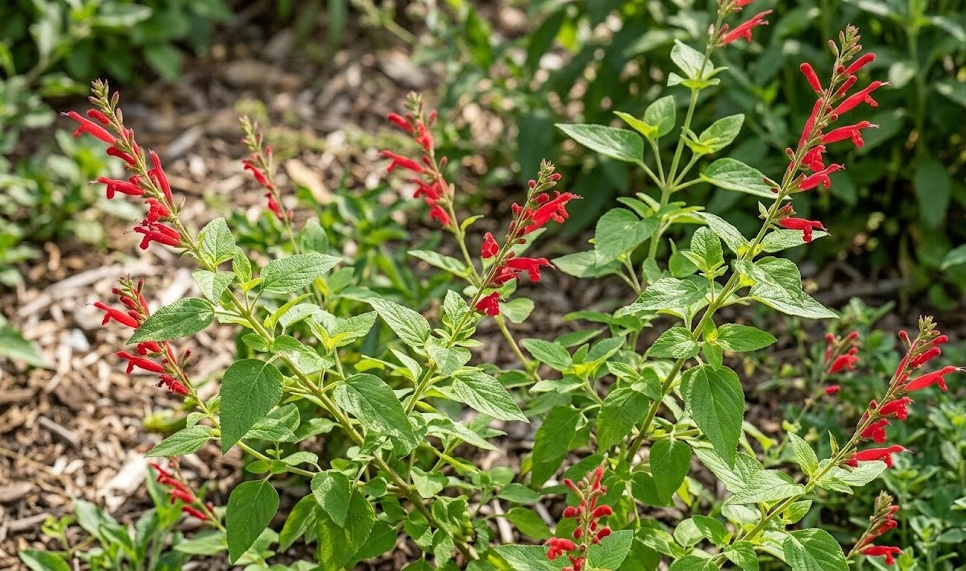
The overall health of the plant is directly tied to the quality of the soil and the space provided for root expansion. Pineapple sage is a vigorous grower that can quickly dominate a garden bed if not monitored properly. You should aim for a well-drained substrate that allows oxygen to reach the roots while retaining enough moisture to prevent wilting. A medium rich in organic matter will provide the necessary base for the plant to reach its full height and produce its signature red blooms.
In addition to soil quality, the positioning of the plant within your garden landscape plays a vital role in its long-term vitality. Because it can grow quite large, it needs enough room to allow for adequate air circulation between its branches and neighboring plants. Proper spacing helps to minimize the risk of fungal issues and allows each leaf to maximize its photosynthetic potential. You will notice that a well-spaced plant develops a much sturdier structure and a more impressive floral display.
Finally, understanding the lifecycle of this perennial is essential for any serious horticultural enthusiast. While it is often treated as an annual in colder regions, it can survive for many years in the right climate or with proper protection. You should observe the plant’s growth patterns closely to adjust your care routine as the seasons change. This proactive approach ensures that the sage remains a centerpiece of your garden from the first spring leaves to the late autumn flowers.
Optimal soil composition and preparation
Creating the perfect foundation for pineapple sage starts with a deep look at your soil’s physical and chemical properties. This plant prefers a slightly acidic to neutral pH range, typically between 6.0 and 7.0 for the best results. You can easily test your garden soil with a simple kit to determine if any amendments are necessary before the planting season begins. Adding compost or well-rotted manure will significantly improve the soil structure and provide a slow-release source of essential nutrients.
More articles on this topic
Drainage is perhaps the most critical factor when preparing the ground for these aromatic shrubs. They do not tolerate “wet feet,” which can lead to root rot and a general decline in plant vigor over time. If your garden has heavy clay soil, consider planting in raised beds or adding coarse sand and perlite to the mix. This modification ensures that excess water moves away from the root zone quickly during periods of heavy rainfall.
Mulching is another professional technique that can greatly benefit the health of your pineapple sage. Applying a layer of organic mulch, such as shredded bark or straw, helps to regulate soil temperature and conserve moisture during the heat of summer. It also suppresses weed growth, which reduces competition for water and nutrients in the immediate vicinity of the plant. Over time, the mulch will break down and further enrich the soil with beneficial organic compounds.
You should also consider the microbial life within the soil, as a healthy ecosystem supports stronger plant growth. Beneficial fungi and bacteria work in tandem with the roots to facilitate the uptake of minerals and water. Avoid using harsh chemical fungicides that can disrupt this natural balance unless it is absolutely necessary for disease control. A biologically active soil will produce plants that are more resilient to environmental stressors and pests.
Seasonal maintenance routines
As spring arrives, your primary focus should be on encouraging new growth and establishing a strong root system. This is the time to remove any dead wood or frost-damaged stems that may have persisted through the winter months. Applying a balanced, organic fertilizer at this stage provides the energy required for the plant to burst into life. Monitoring the weather is crucial, as late frosts can damage the tender new shoots that appear early in the season.
More articles on this topic
The summer months demand a more vigilant approach to hydration and monitoring for heat stress. During peak temperatures, the large leaves of the pineapple sage can lose moisture rapidly through transpiration. You may need to adjust your watering schedule to early morning or late evening to ensure the plant stays hydrated. This period is also the best time to check for any signs of nutrient deficiencies that might appear on the foliage.
Autumn is when this plant truly shines, as it begins its spectacular blooming phase just as other plants are fading. You should continue to provide support and moisture to ensure the flowers remain vibrant and long-lasting. It is important not to fertilize heavily during this time, as you want to avoid soft, new growth that could be damaged by the coming cold. Enjoy the influx of hummingbirds and butterflies that are naturally drawn to the brilliant red tubular flowers.
Winter care varies greatly depending on your geographical location and the severity of the local climate. In colder zones, the plant will likely die back to the ground, requiring a thick layer of protective mulch over the root crown. For those in milder areas, the plant might remain evergreen but will still enter a period of dormancy. Reducing water intake during this dormant phase is essential to prevent the roots from rotting in cold, damp soil.
Enhancing the aromatic and culinary quality
The most distinctive feature of this sage is its incredible fragrance, which can be maximized through specific cultural practices. Providing the plant with ample sunlight is the most effective way to stimulate the production of essential oils within the leaves. These oils are responsible for the pineapple-like scent that makes the plant so popular in herb gardens. You can also lightly brush against the foliage occasionally to release the aroma into the surrounding air.
Watering consistency also plays a surprising role in the concentration of aromatic compounds in the plant tissues. Plants that experience moderate levels of controlled stress sometimes produce more potent oils as a defense mechanism. However, this is a delicate balance, as extreme drought will simply cause the leaves to dry out and lose their flavor. Aim for a steady moisture level that keeps the plant healthy without making it overly lush and watery.
If you intend to use the leaves for culinary purposes, the timing of your harvest is very important. The leaves are most flavorful and fragrant just before the plant begins to bloom in the late summer or early autumn. You should pick them in the morning after the dew has evaporated but before the sun becomes too intense. Using fresh leaves will provide the best flavor profile for teas, salads, or fruit-based desserts.
Proper storage of the harvested leaves can help preserve their unique character for later use. While fresh is always best, you can air-dry the stems in a cool, dark place to maintain some of the aroma. Alternatively, freezing the leaves in ice cubes is a great way to preserve the scent for use in summer drinks. Avoid high temperatures during the drying process, as this will cause the volatile oils to dissipate quickly.
Interaction with garden pollinators
One of the greatest benefits of growing pineapple sage is its ability to attract a wide variety of beneficial insects and birds. The tubular shape of the flowers is perfectly evolved for the long beaks of hummingbirds, which are frequent visitors. By planting this sage, you are providing a vital late-season food source for migratory species. This ecological service makes the plant an essential component of any pollinator-friendly garden design.
Bees and butterflies are also drawn to the nectar-rich blooms, contributing to the overall biodiversity of your outdoor space. Having a high population of these pollinators can improve the yields of other flowering plants and vegetables in your garden. You should avoid using broad-spectrum insecticides that could harm these welcome guests while they are foraging. Creating a safe haven for pollinators ensures a healthy and productive garden environment for everyone.
The timing of the flowering stage is particularly important for insects preparing for the winter months. Since pineapple sage blooms late in the year, it fills a critical gap when many other nectar sources have disappeared. This makes your garden a destination for various species that need to build up energy reserves. Observing the daily activity around your sage plants can provide hours of educational entertainment and a deeper connection to nature.
To maximize the pollinator attraction, try planting the sage in large drifts or groups rather than as isolated specimens. Larger patches of color are much easier for flying insects and birds to spot from a distance. You can also pair them with other late-blooming perennials to create a continuous feast for the local wildlife. This strategic planting approach enhances the visual impact while providing maximum ecological benefits.
Common mistakes in daily management
A frequent error made by novice gardeners is overwatering the plant, which quickly leads to a decline in health. While the plant likes moisture, it cannot survive in saturated soil for extended periods of time. You should always check the moisture level a few inches below the surface before reaching for the watering can. Developing a sense of the plant’s actual needs will prevent many of the common root issues associated with this species.
Another common mistake is neglecting to provide enough space for the plant to reach its full potential. People often underestimate how quickly pineapple sage can grow, leading to crowded conditions and poor air movement. This lack of space can cause the lower leaves to yellow and drop off prematurely due to a lack of light. Make sure to research the expected mature size of your specific variety and plan your garden layout accordingly.
Using too much nitrogen-rich fertilizer can also be detrimental to the overall quality of the plant. While nitrogen promotes leafy growth, an excess can lead to weak stems and a significant reduction in flowering. You might end up with a very large, green bush that fails to produce the iconic red blossoms in the autumn. A more balanced approach to feeding will result in a sturdier plant with a much better floral display.
Finally, failing to protect the plant from early autumn frosts can ruin the spectacular blooming season. Since the flowers appear so late, a single cold night can turn the beautiful buds into mush if you are not careful. Be prepared with frost blankets or move container plants into a sheltered area when low temperatures are forecasted. Being proactive during these transitional periods will ensure you enjoy the full beauty of the plant.
Long-term health and vitality strategies
Maintaining the vigor of pineapple sage over several years requires a commitment to regular rejuvenation and soil care. As the plant ages, the center may become woody and less productive in terms of foliage and flowers. You can combat this by performing a hard prune every few years to encourage fresh, green growth from the base. This process keeps the plant looking young and ensures that it remains a high-performing member of your garden.
Rotating the location of your sage every few years can also help prevent the buildup of soil-borne pathogens. Even if you don’t move the plant, refreshing the surrounding soil with new compost is highly beneficial for its ongoing health. This practice ensures that the plant always has access to a fresh supply of micronutrients and a healthy microbial community. A well-nourished plant is naturally more resistant to the stresses of aging and environmental changes.
Keep detailed records of your plant’s performance, including bloom times and any issues that may have arisen. This information allows you to identify patterns and make more informed decisions about its care in future seasons. For example, if you notice the plant struggled during a particularly dry summer, you can plan for better irrigation next year. Learning from your own experiences is the hallmark of an expert gardener.
Sharing cuttings with friends and neighbors is not only a kind gesture but also a safety net for your own garden. If something happens to your primary plant, you will have a local source of the same genetic material to start over. It also builds a community of fellow enthusiasts who can share tips and observations about growing this wonderful species. Promoting horticultural knowledge benefits everyone and ensures the continued popularity of such versatile plants.
Advanced techniques for professional results
For those looking to take their gardening to the next level, experimenting with different microclimates can yield impressive results. Try planting pineapple sage near a south-facing wall to take advantage of the reflected heat and extended growing season. This extra warmth can sometimes lead to earlier blooming and a more robust overall structure. Understanding the unique features of your property allows you to push the boundaries of what is possible.
You can also use specialized pruning techniques to shape the plant into a more formal or architectural feature. By carefully selecting which stems to keep and which to remove, you can create a specific aesthetic that complements your garden design. This requires a steady hand and a clear vision of the final shape you want to achieve over the course of a season. Artistic pruning transforms a simple herb into a living sculpture.
Integrating pineapple sage into a complex polyculture system can improve its resilience and productivity. Plant it alongside companion species that repel pests or attract specific beneficial insects that the sage needs. This holistic approach reduces the need for external inputs and creates a more self-sustaining garden ecosystem. Diversity is the key to a healthy landscape that can withstand various challenges.
Finally, consider exploring the different cultivars that are available on the market today. Some varieties have been bred for more compact growth, while others offer unique leaf variegation or different flower colors. Testing these different types allows you to find the perfect match for your specific garden needs and aesthetic preferences. Staying curious and experimental will keep your passion for gardening alive for many years to come.