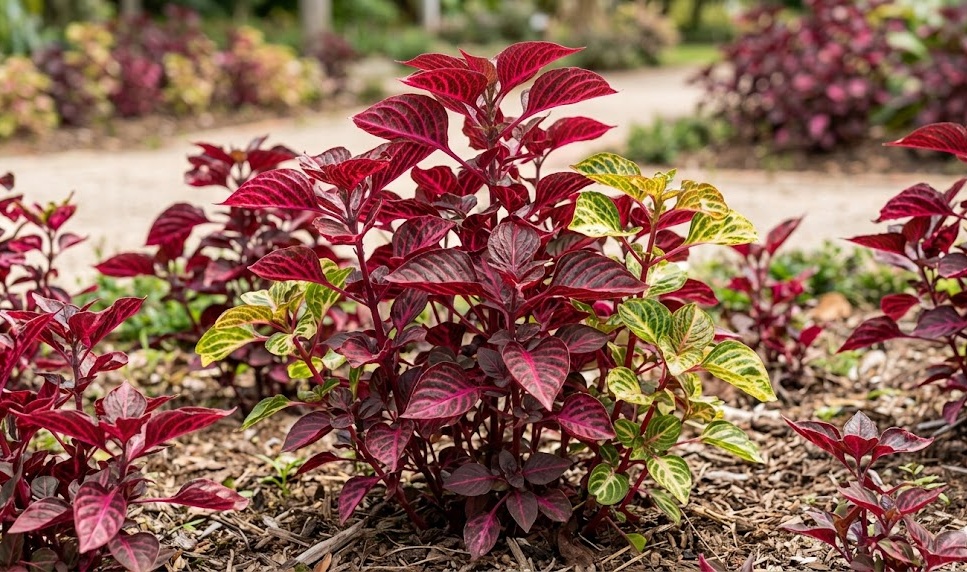

Growing a bloodleaf plant brings a unique splash of vibrant color to any garden or interior space. This tropical perennial is primarily known for its stunning foliage rather than its flowers. You will notice that its deep red or variegated leaves catch the light in a way few other plants can match. Maintaining this beauty requires a specific set of environmental conditions to thrive throughout the year.
Understanding the natural habitat of this species helps in recreating the perfect indoor or outdoor atmosphere. It originates from tropical regions where humidity and warmth are constant companions. You should focus on providing consistent temperatures to prevent the plant from dropping its leaves. Observation is key to spotting early signs of stress before they become serious issues.
The growth habit of this plant is naturally upright and somewhat bushy when managed correctly. It can reach a significant height if left to its own devices in ideal conditions. Most gardeners prefer to keep it compact to highlight the density of the colorful foliage. Frequent checks on the stem strength will tell you if the plant is receiving enough nutrients.
Longevity in these plants is achieved through a dedicated routine of monitoring and adjustment. You cannot simply set it in a corner and expect it to maintain its brilliance without intervention. Every season brings new challenges that require a slight shift in your care approach. Learning the language of the leaves will make your gardening experience much more rewarding.
Ideal soil composition
The foundation of a healthy plant always begins with the medium in which it grows. You need a soil that offers excellent drainage while retaining enough moisture to keep roots hydrated. A mixture of peat moss, perlite, and high-quality potting soil usually provides the best results. Avoiding heavy clay soils is essential because they tend to suffocate the delicate root system.
More articles on this topic
Testing the pH level of your soil can provide insights into why a plant might be struggling. This specific variety prefers a slightly acidic to neutral range for optimal nutrient uptake. If the soil becomes too alkaline, you might see a yellowing of the leaves known as chlorosis. Adding organic matter like leaf mold can help maintain the acidity and improve the overall texture.
Aeration within the pot or garden bed is another factor that many beginners overlook. Compacted soil prevents oxygen from reaching the roots, which can lead to various fungal problems. You can use a small tool to gently loosen the top layer of soil every few weeks. This practice also helps water penetrate more evenly during your scheduled irrigation sessions.
Selecting the right container size plays a role in how the soil performs over time. A pot that is too large will hold excess water that the plant cannot use quickly. This stagnant moisture often leads to souring of the soil and root health decline. Choose a container that allows for about two inches of space around the existing root ball.
Temperature and climate control
Being a tropical native, this plant has a very low tolerance for cold or fluctuating temperatures. You should aim to keep the environment between 18 and 25 degrees Celsius during the day. If the temperature drops below 15 degrees, growth will likely stall and the plant may enter a survival mode. Keeping it away from cold drafts or air conditioning vents is vital for its comfort.
More articles on this topic
During the height of summer, extreme heat can also become a problem if the air is too dry. You might notice the leaves wilting or curling inward to protect themselves from moisture loss. Providing some afternoon shade can help regulate the internal temperature of the plant. Moving indoor pots to a cooler room during heatwaves is often a successful strategy.
Nighttime temperatures should remain relatively stable to avoid shocking the plant’s metabolic processes. A slight drop of a few degrees is natural, but sudden plunges should be avoided at all costs. If you keep your plants on a windowsill, remember that the glass can become quite cold at night. Pulling the pots a few inches back from the window can provide a necessary thermal buffer.
Consistency is the hallmark of professional climate management for sensitive tropical species. Sudden changes in the environment often lead to leaf drop, which ruins the aesthetic appeal. You must plan ahead when seasons change to ensure the transition is as smooth as possible. Monitoring the local weather forecast allows you to react before the temperature becomes a threat.
Managing humidity levels
High humidity is perhaps the most important factor in keeping the leaves looking glossy and vibrant. In most homes, the air is significantly drier than what this plant experiences in the wild. You can increase the local humidity by grouping several plants together to create a microclimate. Another effective method is placing the pot on a tray filled with pebbles and a small amount of water.
Misting the foliage with room-temperature water can provide temporary relief in very dry conditions. However, you should be careful not to overdo it, as standing water on leaves can invite fungus. Performing this task in the morning allows the moisture to evaporate before the cool of the evening arrives. It is a simple habit that makes a world of difference for tropical foliage.
Investing in a small humidifier is often the best solution for serious collectors of tropical plants. This device ensures a constant level of moisture in the air without requiring manual intervention. You will find that the plant responds with faster growth and larger, more colorful leaves. Aim for a humidity level of at least fifty percent to see the best results.
Bathrooms and kitchens often provide naturally higher humidity than other areas of the house. If these rooms have adequate light, they can be the perfect sanctuary for a struggling bloodleaf. Just ensure that there is enough air circulation to prevent the air from becoming completely stagnant. Good airflow combined with high humidity mimics the tropical forest floor beautifully.
Seasonal care adjustments
Spring is the time when the plant wakes up and begins its most vigorous growth phase. You should begin to increase watering and consider refreshing the top layer of soil. This is also the ideal window for any major structural changes or repotting tasks. Watching the new shoots emerge is a sign that your winter care was successful.
Summer requires the most attention in terms of hydration and protection from the sun. The intense rays can quickly bleach the vibrant red colors out of the delicate leaves. You may need to water more frequently as the higher temperatures accelerate evaporation from the soil. Checking the moisture levels daily becomes a necessary part of your routine.
Autumn marks the period where you should start slowing down the plant’s metabolic activity. As the days grow shorter, the plant naturally requires less water and fewer nutrients. You must be careful not to overwater during this transition, as the roots are less active. It is also the time to bring any outdoor specimens inside before the first frost.
Winter care is all about survival and maintaining the health of the existing foliage. Growth will be minimal, and you should only water when the soil feels dry to the touch. Avoid the temptation to fertilize during this period, as the plant cannot utilize the extra nutrients. Focus on keeping the light levels as high as possible during the dark months.
Common growth habits
This plant tends to grow toward the light source, which can result in a lopsided appearance. You should rotate the pot by a quarter turn every time you water it. This ensures that all sides of the foliage receive equal energy and grow at the same rate. It is a simple trick that maintains the balanced, circular shape of the specimen.
Legginess is a common issue when the plant is not receiving enough intense light. The stems become long and thin with large gaps between the sets of leaves. While the plant is still healthy, it loses the dense, bushy look that most growers desire. Regular pinching of the growing tips encourages the plant to branch out laterally.
Flowering is rare when grown as a houseplant, but it can happen in very ideal conditions. The flowers are typically small, greenish-white, and not particularly ornamental compared to the leaves. Most experts recommend removing the flower spikes as soon as they appear to save energy. This allows the plant to focus all its resources on producing more of those beautiful red leaves.
The stems of this species are somewhat succulent and can be quite brittle if handled roughly. You should use care when moving the plant or cleaning the leaves to avoid snapping branches. If a branch does break, it can often be used for propagation, so the loss is not total. Supporting taller plants with small bamboo stakes can help prevent accidental breakage.
Long-term vitality tips
Keeping the leaves clean is essential for the plant’s ability to photosynthesize effectively. Dust can accumulate quickly and block the tiny pores on the surface of the foliage. You can gently wipe the leaves with a damp, soft cloth every few weeks. This practice also gives you a chance to inspect the plant closely for any hidden pests.
Repotting every two years ensures that the roots have enough space to continue growing. You will notice the plant becoming “root-bound” when water runs straight through the pot without soaking in. Moving up to a slightly larger container provides fresh nutrients and improved soil structure. Always use a pot with drainage holes to protect the plant from waterlogged conditions.
Observing the color intensity will tell you a lot about the overall health of your bloodleaf. If the red starts to fade into a dull green, the plant is likely asking for more light. Conversely, if the leaves look scorched or brown at the edges, it might be getting too much direct sun. Fine-tuning the placement is a continuous process that pays off in visual brilliance.
Sharing your passion for gardening with others can lead to new insights and tips. Joining a local plant group or an online forum allows you to compare your experiences with other growers. You might discover a specific local soil mix or a unique watering trick that works perfectly for your climate. Gardening is a lifelong learning journey that is better when shared with a community.