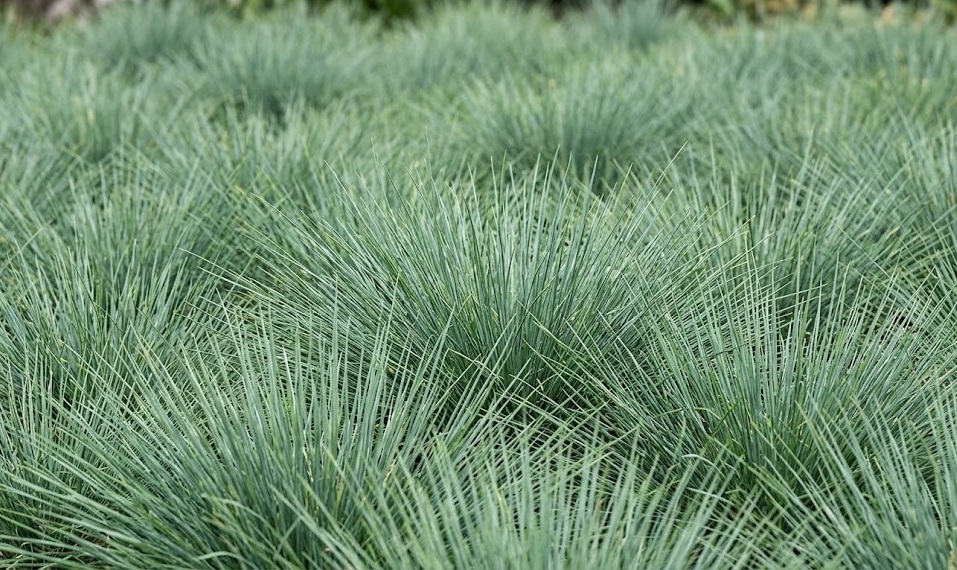

Taking care of hard fescue requires a deep understanding of its natural habitat and physiological needs to ensure a healthy lawn. You should always start by assessing the specific soil conditions of your garden to determine if they meet the requirements of this hardy grass species. This variety is known for its incredible durability, making it a favorite among those who want a low-maintenance yet beautiful green space. By following professional guidelines, you can maintain its vibrant color and structural integrity throughout the growing seasons.
Soil management and preparation
The foundation of a healthy turf always begins with the quality of the soil where the roots are established. You need to ensure that the earth is well-drained because this plant does not tolerate stagnant water around its root system. If you find that your soil is too heavy or clay-like, consider mixing in some sand or organic matter to improve its structure. Maintaining a slightly acidic to neutral pH level will provide the optimal chemical environment for nutrient uptake.
Organic matter plays a crucial role in providing long-term sustenance for the grass blades. You can incorporate compost into the top layer of the soil before the growing season starts to boost biological activity. This process helps the soil retain just enough moisture while allowing excess water to flow away freely. Healthy soil life, including beneficial microbes and earthworms, will further enhance the aeration of the ground naturally.
Testing the soil periodically is a professional habit that prevents many potential issues before they arise. You should look for signs of compaction, which can restrict the movement of air and water to the roots. If the ground feels too hard underfoot, using a garden fork or a mechanical aerator can make a significant difference. Regular monitoring allows you to adjust your care routine based on the actual needs of the living environment.
Finally, the physical structure of the surface must be kept even to prevent water from pooling in small depressions. You should rake the area gently to remove any debris or heavy thatch that might have accumulated over time. A clean surface ensures that every part of the lawn receives equal access to light and air. This preparation phase is the most critical step in ensuring that your fescue thrives for many years.
More articles on this topic
Climate adaptation and environmental factors
This grass species is particularly valued for its ability to adapt to various environmental stresses. You will notice that it performs exceptionally well in cooler climates but can also handle significant periods of heat if managed correctly. Understanding the local microclimate of your garden will help you predict how the grass will react to seasonal changes. It is a resilient choice for areas where other grass types might struggle due to poor soil or temperature fluctuations.
Extreme weather events like heavy rain or prolonged heatwaves require a proactive approach to garden management. You should monitor the weather forecast to prepare for shifts in temperature that might stress the plants. During very hot periods, providing some afternoon shade can help the blades retain their deep green color. Conversely, in very wet seasons, ensuring proper drainage becomes the primary focus to prevent root rot.
The resilience of the turf also depends on its ability to recover from physical wear and tear. You will find that this variety is quite tough, making it suitable for areas with moderate foot traffic. However, you should still avoid heavy machinery or excessive trampling when the ground is frozen or very saturated. Respecting the physical limits of the plants during vulnerable times ensures a much faster recovery in the spring.
Local wildlife and biodiversity also interact with your lawn in various ways throughout the year. You might notice birds foraging for insects or small mammals moving through the taller grass patches. A healthy ecosystem around your fescue actually supports its growth by managing natural pest populations. Creating a balanced environment is always better than relying on chemical interventions to solve every minor problem.
More articles on this topic
Seasonal maintenance routines
As the seasons change, your approach to maintenance must evolve to meet the shifting needs of the turf. In the early spring, you should focus on clearing away any winter debris and checking for signs of new growth. This is the perfect time to assess the overall health of the lawn after the dormant winter period. A gentle raking will help wake up the grass and allow the sun to warm the soil surface.
During the peak of the summer, the focus shifts toward preserving moisture and protecting the grass from heat stress. You should observe the color of the blades, as a duller hue often indicates that the plant is entering a protective state. Avoid any heavy activities that might compact the dry soil during these high-temperature months. Keeping the grass slightly longer during this time provides natural shade for the delicate crown of the plant.
Autumn is the ideal time for restorative work and preparing the lawn for the upcoming cold months. You should consider adding a thin layer of top-dressing to fill in any thin spots that might have developed. This is also the season to address any issues with thatch buildup that could trap moisture inappropriately. Strengthening the root system now will pay off significantly when the grass emerges from dormancy next year.
Winter maintenance is mostly about protection and minimal interference with the resting plants. You should avoid walking on the grass when it is covered in frost, as this can break the frozen blades and damage the crown. Clearing heavy piles of snow from paths is fine, but try not to stack it all on top of the lawn area. Allowing the plants to rest undisturbed is the best way to ensure a vibrant start in the spring.
Weed control and turf density
Maintaining a dense growth habit is the most effective natural defense against the encroachment of weeds. You will find that when the grass is healthy and thick, there is very little space for weed seeds to germinate. Regular monitoring of the lawn allows you to spot and remove any unwanted plants before they have a chance to spread. Hand-pulling occasional weeds is often sufficient for a well-maintained fescue area.
If you notice that certain areas are becoming thin, you should address the underlying cause immediately. It could be due to excessive shade, poor soil quality, or localized compaction issues that need your attention. Re-seeding these patches promptly prevents weeds from taking over the empty space. Using high-quality seeds that match the existing turf will ensure a seamless and professional look.
Avoiding the use of harsh herbicides is generally better for the long-term health of your garden ecosystem. You should rely on cultural practices like proper mowing and fertilization to keep the grass competitive. If you must use a treatment, choose a product specifically designed for fine-textured grasses to avoid accidental damage. Always follow the manufacturer’s instructions carefully to protect both the plants and the surrounding environment.
The timing of weed control efforts is just as important as the methods you choose to use. You should target weeds during their most active growth phases in the spring or early autumn. This ensures that the intervention is effective and that the grass has enough time to fill in the gaps. A proactive strategy is always more successful than trying to fix a major weed infestation later in the season.
Monitoring growth and development
Observing the daily changes in your lawn provides valuable insights into its overall well-being and development. You should take a walk through your garden regularly to check for changes in color, texture, or growth rate. These visual cues are the first indicators that the plants might need more water, nutrients, or a change in mowing height. Developing an eye for these details will make you a more effective and professional gardener.
The root system of the grass is just as important as the green blades you see on the surface. You can occasionally check the soil profile to see how deep the roots are reaching into the ground. Deep roots are a sign of a healthy, drought-tolerant plant that can access moisture during dry spells. If the roots seem shallow, you might need to adjust your watering or aeration techniques to encourage deeper growth.
Tracking the density of the turf over time helps you evaluate the success of your maintenance routine. You should look for a uniform distribution of plants without large gaps or clumps that look out of place. A consistent appearance is a hallmark of a professionally cared-for lawn that enhances the beauty of your property. If the density drops, it is time to reassess your fertilization or soil management strategies.
Growth patterns will naturally vary depending on the age of the turf and the specific environmental conditions. You will notice that younger plants require more frequent attention and protection than established ones. As the lawn matures, it becomes more resilient and requires less intervention to maintain its peak condition. Patience is a key virtue when waiting for a newly established fescue lawn to reach its full potential.
Long term health and sustainability
Sustainability should be at the heart of your gardening philosophy when caring for this beautiful grass. You should aim to create a self-sustaining system that requires minimal external inputs over the long run. Using organic fertilizers and natural pest control methods supports the health of the soil and the local environment. This approach not only protects nature but also leads to a more resilient and hardy lawn.
Conserving water is a major aspect of sustainable lawn care that you should always keep in mind. You can use mulch from grass clippings to return nutrients to the soil and help retain moisture levels. This practice reduces the need for supplemental irrigation and provides a slow-release source of nitrogen for the plants. Every small step you take towards sustainability contributes to the overall health of your local ecosystem.
Promoting biodiversity within and around your lawn can have many hidden benefits for the grass itself. You should consider planting native flowers or shrubs nearby to attract beneficial insects that prey on common pests. A diverse garden environment is much less likely to suffer from devastating outbreaks of diseases or insects. Thinking of your lawn as part of a larger living system will help you make better management decisions.
Evaluating your success over several years will give you a better perspective on the life cycle of the turf. You should keep a simple garden journal to note down what worked well and what challenges you faced each season. This record-keeping allows you to refine your techniques and become an expert in the specific needs of your garden. Continuous learning and adaptation are the keys to long-term success in professional gardening.
Aesthetic upkeep and final touches
The visual appeal of your lawn is often the most rewarding aspect of all your hard work and care. You should take pride in the clean lines and uniform texture that characterize a well-maintained fescue area. Paying attention to the edges of the lawn where it meets flower beds or paths can make a huge difference. Using manual or powered edging tools will give your garden a polished and professional appearance.
Removing any fallen leaves or debris promptly prevents the grass from being smothered and losing its color. You should use a soft rake to avoid damaging the delicate blades while keeping the surface clean. This simple task ensures that the plants receive maximum sunlight even during the shorter days of autumn. A tidy lawn always looks more intentional and well-cared for, regardless of the season.
If you have paths or seating areas, make sure they are integrated smoothly with the surrounding grass. You should avoid letting the grass grow over stone or wooden elements, as this can look messy and unkempt. Regular trimming around these features maintains the structure of your garden design and highlights its best features. Attention to detail in these small areas separates a hobbyist from a professional gardener.
Finally, remember that a lawn is a living, breathing part of your home that changes every single day. You should enjoy the process of caring for it as much as the final result of having a beautiful green space. Whether you are hosting a garden party or simply enjoying a quiet morning, a healthy lawn provides the perfect backdrop. Your dedication to its care will be reflected in every blade of grass that thrives under your watchful eye.