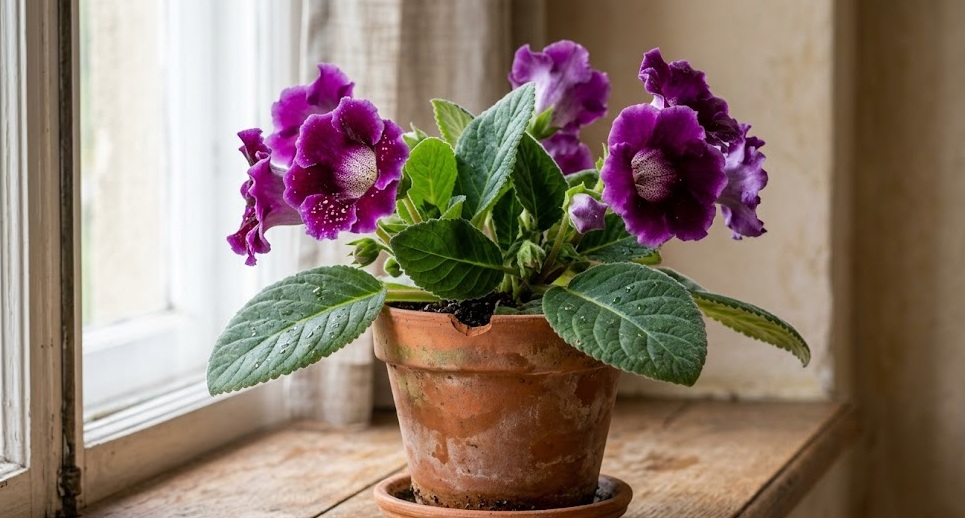

Maintaining the health of a gloxinia requires a deep understanding of its tropical origins and specific biological needs. These plants are prized for their velvety foliage and large, bell-shaped flowers that can brighten any indoor space. Achieving professional results involves balancing moisture, temperature, and nutrition throughout the active growing season. A disciplined approach to care ensures that the plant remains vibrant and produces a spectacular display of blooms.
Understanding the basics of plant health
The primary goal for any enthusiast is to mimic the natural habitat of these stunning tropical specimens. Professional growers focus on providing a stable environment that avoids sudden changes in temperature or light intensity. This stability allows the root system to develop properly and supports the heavy energy demands of the flowering phase. Observation is the most critical tool for ensuring the long-term vitality of the plant.
Consistent monitoring of the foliage can reveal much about the internal health of the tuber. If the leaves appear turgid and deep green, the current care routine is likely meeting the plant’s physiological requirements. However, any change in texture or color should be addressed immediately to prevent systemic stress. A professional gardener always looks for these subtle cues before they escalate into significant problems.
The life cycle of the plant includes distinct phases of growth and rest that must be respected. During the active months, the focus remains on supporting rapid leaf development and bud formation. As the season progresses, the strategy shifts toward preparing the tuber for its necessary period of dormancy. Understanding these transitions is essential for anyone wishing to keep the plant for multiple years.
Air circulation is an often overlooked aspect of general care that prevents many common issues. Stagnant air can lead to the buildup of excess moisture on the leaves, which encourages fungal pathogens. Positioning the plant in a well-ventilated area without exposing it to direct drafts is a key technique. This balance ensures that the plant breathes effectively while maintaining the necessary ambient humidity.
More articles on this topic
Maintaining optimal temperature ranges
Temperature plays a pivotal role in the metabolic processes of the plant and determines the speed of growth. Ideally, the environment should remain between 18 and 24 degrees Celsius during the daytime hours. If the temperature drops significantly below this range, the growth rate will slow down considerably. Conversely, excessive heat can cause the flowers to wilt prematurely and shorten the overall blooming period.
Nighttime temperatures should be slightly cooler but should never fall below 15 degrees Celsius. This slight drop mimics natural tropical cycles and helps the plant conserve energy for the next day. Sudden fluctuations in temperature can cause the plant to drop its buds or experience physiological shock. Consistent warmth is the foundation upon which a successful flowering season is built.
During the hottest months of the summer, extra care must be taken to shield the plant from extreme heat. High temperatures can increase the rate of transpiration, leading to rapid dehydration of the delicate leaf tissues. Moving the plant to a naturally cooler room or using evaporative cooling can help mitigate these effects. A professional approach involves proactive management of the microclimate surrounding the plant.
As the growing season ends, the temperature requirements shift to reflect the plant’s move toward dormancy. Slowly allowing the environment to cool down signals to the tuber that it is time to store nutrients. This gradual transition is much more effective than a sudden move to a cold storage area. Proper temperature management throughout the year ensures a robust return the following spring.
More articles on this topic
Managing ambient humidity levels
High humidity is vital for maintaining the lush appearance of the velvety leaves and ensuring proper bud development. In many indoor environments, the air is naturally too dry for these tropical natives to thrive perfectly. Successful growers often use humidity trays filled with water and pebbles to increase local moisture. This method provides a consistent upward flow of water vapor without saturating the roots.
Misting the leaves directly is generally discouraged because the fine hairs can trap water droplets. These droplets can lead to leaf spotting or provide a breeding ground for various fungal diseases. It is far more effective to humidify the surrounding air rather than the plant surface itself. Professional setups often utilize ultrasonic humidifiers to maintain a steady level of 50 to 60 percent humidity.
Low humidity often manifests as browning at the leaf tips or the failure of flower buds to open. If the air is too dry, the plant will struggle to maintain internal pressure, leading to a dull appearance. Increasing the density of plants in a specific area can also create a localized microclimate with higher humidity. This communal transpiration helps all the plants in the group stay hydrated and healthy.
During the winter months, indoor heating systems can strip the air of almost all moisture. Extra vigilance is required during this time to ensure the dormant tubers do not dry out completely. While the plant is resting, the humidity requirements are lower, but the air should never become bone dry. Finding the right balance prevents the tuber from shriveling and losing its viability.
Soil composition and potting requirements
The choice of growing medium significantly influences the health of the root system and the tuber. A professional potting mix should be light, airy, and capable of retaining moisture without becoming waterlogged. Most experts prefer a peat-based substrate enriched with perlite or vermiculite to ensure excellent drainage. This structure allows oxygen to reach the roots, which is critical for preventing rot.
A slightly acidic pH level between 5.5 and 6.5 is ideal for nutrient uptake in these plants. If the soil becomes too alkaline, the plant may suffer from chlorosis and a general lack of vigor. Regularly testing the soil or using high-quality commercial African violet mixes can help maintain the correct chemistry. Soil health is the silent engine that drives the spectacular visual performance of the plant.
Repotting is usually performed in the early spring just as the tuber begins to show signs of new growth. It is important to choose a container that is only slightly larger than the tuber itself to prevent excess soil volume. Too much soil can hold onto moisture for too long, increasing the risk of tuber decay. A shallow pot is often preferred as it better accommodates the plant’s relatively shallow root system.
Over time, the soil can become compacted or accumulate salts from fertilizers and hard water. Refreshing the top layer of soil or completely replacing the medium every two years is a standard professional practice. This ensures that the physical properties of the substrate remain conducive to healthy root expansion. Clean, pathogen-free soil is the first line of defense against many common growing problems.
Managing the active growth cycle
The onset of the growing season is marked by the appearance of small green shoots from the center of the tuber. During this initial phase, the plant requires consistent care to build the structural foundation for flowering. Water and light should be increased gradually to match the growing needs of the developing foliage. This period of rapid expansion is when the plant is most responsive to its environment.
As the leaves reach their full size, the plant will begin to produce flower buds in the leaf axils. Providing specialized nutrients during this stage can enhance the size and intensity of the upcoming blooms. It is important not to disturb the plant or change its location once the buds have formed. Stability during this phase ensures that the plant can focus all its energy on the flowering process.
The peak of the blooming period is the most rewarding time for any gardener who has followed a careful regimen. A healthy specimen can produce dozens of flowers over several weeks if the conditions remain optimal. Deadheading spent blooms as soon as they fade will encourage the plant to continue producing new buds. This simple task keeps the plant looking tidy and prevents the unnecessary expenditure of energy on seed production.
Once the final flowers have faded, the plant will naturally begin to slow down its metabolic processes. The leaves may start to lose their vibrant color and show signs of aging as the season ends. This is a normal part of the plant’s life cycle and should not be a cause for alarm. Recognizing these signs allows the grower to adjust the care routine for the upcoming rest period.
Common care mistakes to avoid
One of the most frequent errors made by beginners is providing inconsistent moisture levels to the plant. Allowing the soil to dry out completely can cause the roots to die back, while overwatering leads to tuber rot. Achieving a middle ground where the soil is always damp but never saturated is the hallmark of an expert. Precision in watering is the most difficult skill to master but also the most impactful.
Placing the plant in direct sunlight is another common mistake that can lead to leaf scorch. The delicate foliage is not equipped to handle the intense heat and UV radiation of midday sun. Filtered light or a northern exposure provides the necessary energy without the risk of physical damage. Protecting the leaves ensures that the plant can photosynthesize efficiently throughout the entire season.
Neglecting the plant during its dormant phase is a mistake that often prevents a successful return. While the plant looks inactive, the tuber is still a living organism that requires a stable environment. Allowing the tuber to freeze or become completely desiccated will result in the loss of the plant. Success in the next growing season depends heavily on the quality of care provided during the rest period.
Using cold water for irrigation can shock the root system and cause permanent damage to the tuber. Always ensure that the water is at room temperature before applying it to the growing medium. Cold water can also cause unsightly spots on the leaves if it accidentally comes into contact with them. This small detail can make a significant difference in the overall health and appearance of the specimen.
Professional tips for longevity
To ensure the plant lives for many years, it is vital to keep the tuber healthy and free from damage. Every few years, the tuber should be inspected for any signs of softness or decay during the dormant period. Any problematic areas can be carefully removed with a sterile tool to prevent the spread of rot. This maintenance task helps extend the lifespan of the plant and ensures consistent flowering performance.
Rotating the pot slightly every week ensures that the foliage grows evenly on all sides. Plants naturally lean toward the light source, which can lead to a lopsided or leggy appearance if left unmanaged. Even growth not only looks better but also allows the plant to support its heavy blooms more effectively. A well-balanced plant is a sign of a professional and attentive grower.
Maintaining a clean environment around the plant helps prevent the introduction of pests and diseases. Removing fallen leaves and spent flowers immediately reduces the amount of decaying organic matter available to pathogens. Regularly wiping the shelves and cleaning the exterior of the pots is a simple yet effective hygiene practice. A clean workspace is essential for maintaining a collection of healthy and beautiful plants.
Finally, keeping a detailed log of the plant’s growth and flowering cycles can provide valuable insights. Recording dates of the first bloom, the start of dormancy, and any specific treatments helps refine the care routine. Over time, this data allows the grower to anticipate the plant’s needs with greater accuracy. Continuous learning and observation are the true secrets to success in the world of professional horticulture.