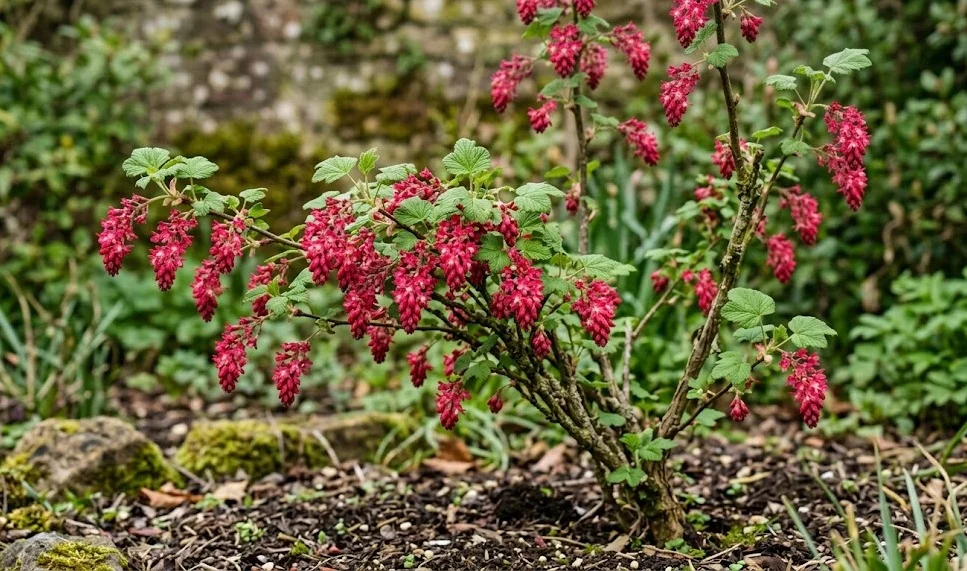

Maintaining the aesthetic appeal and biological health of this ornamental shrub requires a comprehensive understanding of its specific environmental needs throughout the year. Gardeners should prioritize selecting a location that offers well-draining soil and sufficient space for the root system to expand without competition. Regular monitoring for physiological changes ensures that any nutritional deficiencies or environmental stresses are addressed before they compromise the plant’s vigor. By following a structured maintenance routine, you can ensure that these vibrant spring bloomers remain a focal point of the landscape for many decades.
Establishing the ideal growing environment
The foundation of long-term health begins with selecting a site that mirrors the natural habitat of the species while providing modern horticultural benefits. High-quality soil with a slightly acidic to neutral pH level provides the necessary chemical balance for efficient nutrient uptake by the roots. Organic matter should be incorporated into the surrounding earth to improve structure and promote the presence of beneficial microbial life in the rhizosphere. Adequate air circulation around the canopy is equally important to reduce the risk of stagnant humidity which often leads to various foliar complications.
Structural integrity of the soil must be maintained to prevent compaction, which can suffocate the delicate feeder roots located near the surface. Adding a layer of organic mulch around the base helps regulate temperature fluctuations while gradually enriching the substrate as it decomposes. It is advisable to avoid planting near aggressive surface-rooting trees that might compete for the same moisture and mineral resources. Observations indicate that shrubs situated in protected yet airy corners tend to produce more prolific floral displays during the early spring months.
Professional landscapers often suggest checking the drainage capacity of the chosen spot before finalizing the installation of the specimen. Waterlogged conditions are detrimental to the root system and can lead to irreversible rot during the cooler, wetter seasons of the year. If the natural soil is heavy clay, amending it with coarse sand or fine grit can significantly enhance the percolation rates required for healthy growth. Creating a slightly raised planting bed is another effective strategy for managing excess moisture in areas prone to seasonal saturation.
Finally, the spatial arrangement within the garden should allow the shrub to reach its natural mature size without frequent restrictive pruning. Crowding often leads to a decline in lower branch vitality because light cannot penetrate the inner parts of the dense foliage. Proper spacing ensures that every branch receives a share of the available resources, which promotes a balanced and symmetrical growth habit. Taking these environmental factors into account during the early stages of care prevents many common physiological issues from arising later in the plant’s life.
More articles on this topic
Seasonal maintenance routines from spring to autumn
Spring care focuses primarily on supporting the intensive energy expenditure required for the production of lush green leaves and vibrant flower clusters. As the soil begins to warm, a light application of balanced slow-release nutrients can provide the necessary boost for new vegetative development. Gardeners should inspect the branches for any winter damage or dead wood that might harbor pathogens as the temperature rises. Keeping the area around the base free from weeds ensures that all available moisture and nutrients are directed toward the shrub’s primary growth.
During the peak summer months, the emphasis shifts toward moisture conservation and protecting the foliage from extreme heat stress or drought. Deep hydration should be performed during the early morning hours to allow the canopy to dry before the evening drop in temperature. If the weather remains exceptionally dry for extended periods, supplementary irrigation becomes essential to prevent premature leaf drop or wilting. Monitoring the underside of the leaves during this time helps in identifying any emerging issues that might be exacerbated by high temperatures.
As the season transitions into autumn, the shrub begins to prepare for its dormant phase by shifting resources toward the root system and buds. Reducing the frequency of nitrogen-heavy supplements is crucial during this period to avoid stimulating soft, new growth that cannot withstand frost. Removing fallen leaves from the base of the plant can help eliminate potential overwintering sites for various fungal spores or insect larvae. This proactive approach to sanitation is a key component of integrated pest management and ensures a cleaner start for the following year.
Late autumn is also an excellent time to evaluate the overall performance of the specimen and plan for any necessary structural adjustments. Documenting the duration of the flowering period and the density of the foliage can help in refining the care plan for the next cycle. Ensure that the mulch layer is replenished if it has thinned out, as this provides a critical thermal buffer for the root zone. Consistent attention to these seasonal transitions allows the gardener to respond dynamically to the changing needs of the plant throughout its annual cycle.
More articles on this topic
Optimizing mineral nutrition for vibrant displays
A professional approach to fertilization involves understanding the specific mineral requirements of woody shrubs at different stages of their development. Nitrogen is vital for the initial flush of green growth, but an overabundance can lead to excessive foliage at the expense of floral production. Phosphorus plays a critical role in root establishment and the development of strong, healthy flower buds that can resist environmental stressors. Potassium contributes to the overall cellular strength and water regulation mechanisms, making the plant more resilient to both cold and heat.
Soil testing is highly recommended every few years to determine the exact levels of available minerals and the current pH status. This scientific data allows for the precise application of amendments, preventing the waste of resources and the risk of nutrient toxicity. If the soil is found to be deficient in specific trace elements like iron or magnesium, foliar sprays can offer a quick temporary solution. Long-term correction, however, should always focus on improving the soil’s natural ability to hold and release these essential building blocks.
Applying organic compost or well-rotted manure in early spring provides a steady release of nutrients while simultaneously improving soil tilth. These natural additives also support a diverse ecosystem of soil organisms that assist in breaking down minerals into plant-available forms. Many experts prefer this slow-release method over synthetic quick-fix products because it builds sustainable soil health over several seasons. Care must be taken to keep these materials away from the direct contact with the main stem to prevent bark rot.
Monitoring the plant for visual cues such as yellowing leaves or stunted growth can provide early warnings of nutritional imbalances. For example, interveinal chlorosis on new leaves often points to a lack of available iron, which might be caused by an overly alkaline soil pH. Adjusting the chemistry of the earth with sulfur-based products can slowly bring the levels back into the optimal range for the species. A balanced nutrition program ensures that the shrub has the chemical energy required to survive through challenging weather patterns while maintaining its ornamental value.
Monitoring physiological health and vigor
Maintaining the vitality of the specimen involves a regular schedule of inspections to detect early signs of stress or declining health. Healthy specimens should exhibit firm, vibrant leaves with consistent coloring and strong, flexible stems that show clear annual growth increments. Any sudden changes in the appearance of the foliage, such as spotting or curling, should be investigated immediately to determine the underlying cause. Keeping a garden journal can be an invaluable tool for tracking the long-term health trends and identifying recurring issues.
Environmental factors often manifest as physiological disorders that can be mistaken for diseases if not analyzed carefully. Leaf scorch, characterized by browning edges, typically indicates that the rate of transpiration is exceeding the root’s ability to supply water. This can occur during periods of high wind or extreme sun exposure even if the soil moisture levels seem adequate. Providing temporary shade or windbreaks during extreme events can mitigate these symptoms and prevent permanent damage to the photosynthetic tissue.
The structural integrity of the main stems should be checked for cracks, lesions, or signs of boring insects that might compromise the vascular system. Healthy bark should be intact and free from oozing sap or unusual fungal growths that suggest internal decay. If a particular branch seems significantly weaker than the rest, it may be beneficial to remove it to prevent the spread of decay to the main trunk. Proactive management of the shrub’s architecture ensures that energy is focused on the most productive and healthy parts of the plant.
Understanding the natural lifecycle of the shrub also helps in distinguishing between normal aging and potential health problems. Older stems naturally become more woody and less productive over time, which is a signal that rejuvenation might be necessary in the coming seasons. A sudden decline across the entire plant, however, usually indicates a systemic issue such as root rot or a significant nutrient lockout. Consulting with a local horticultural expert can provide specific insights based on regional soil types and common local environmental stressors.
Enhancing the ornamental value through placement
The strategic positioning of the shrub within the garden layout significantly impacts its visual impact and long-term success as a landscape element. It is often used as a solitary specimen to showcase its dramatic spring bloom, but it also performs exceptionally well in mixed shrub borders. Placing it against a dark evergreen background can make the bright pink or red flowers stand out more vividly during the early months of the year. Consideration should also be given to the fragrance, as locating it near walkways or seating areas allows the scent to be enjoyed by visitors.
In addition to aesthetics, the placement must consider the microclimate of the garden to maximize the plant’s natural potential. Areas that receive morning sun and afternoon shade are often ideal, as they provide the light needed for flowering while protecting the foliage from the harshest rays. Avoid placing the shrub in low-lying frost pockets where the early spring buds might be damaged by late-season temperature drops. A well-placed specimen will require less intervention and fewer resources to maintain its professional appearance throughout the growing season.
Integration with other plant species can create a layered effect that provides visual interest even when the shrub is not in bloom. Underplanting with spring bulbs that share similar cultural requirements can enhance the display without competing for root space or nutrients. Consider the autumn color of nearby deciduous trees to ensure that the shrub’s own seasonal changes complement the overall garden palette. A thoughtful design approach treats the plant as part of a larger ecological and aesthetic system rather than an isolated object.
Wind exposure is another critical factor to evaluate when deciding on the final location for a new planting. While the shrub is relatively hardy, constant high winds can dry out the foliage and cause physical damage to the delicate flower clusters. Using natural barriers like fences or other taller shrubs can provide a sanctuary that promotes a more lush and healthy growth habit. A protected environment allows the plant to focus its energy on growth and reproduction rather than repairing mechanical damage from the elements.
Long-term rejuvenation and structural maintenance
As the shrub matures, it may occasionally require more intensive intervention to maintain its vigor and desired shape. Over several years, the center of the plant can become overly dense, which restricts light penetration and reduces the production of new flowering wood. A systematic approach to thinning out the oldest branches encourages the growth of fresh, more productive stems from the base of the plant. This process, often referred to as renewal pruning, ensures that the specimen remains youthful and vibrant for a much longer period.
Rejuvenation should be carried out gradually over a period of two to three years to avoid shocking the plant’s system. Removing about one-third of the oldest wood each year allows the shrub to replace the lost biomass without losing its overall structural form. This method maintains a consistent display of flowers while slowly transforming the plant’s internal architecture into a more sustainable configuration. Always use sharp, sterilized tools to ensure clean cuts that heal quickly and do not provide entry points for pathogens.
Observation of the growth response following these interventions provides valuable feedback on the plant’s regenerative capacity. Healthy shrubs will respond with vigorous new shoots that should be managed to ensure they grow in the desired directions. If the plant fails to produce new growth after significant thinning, it may be a sign of underlying root health issues or nutrient deficiencies. Adjusting the care routine to include more intensive soil support can help the plant recover from the stress of heavy maintenance.
Consistency is the key to successful long-term management of any woody ornamental species in a professional landscape. Ignoring the plant for several years and then attempting drastic corrections often leads to poor results and a decline in aesthetic quality. A small amount of structural work performed annually is far more effective than infrequent, heavy-handed interventions that disrupt the plant’s natural balance. By staying attuned to the subtle changes in the shrub’s appearance, you can guide its development with precision and care.
Summary of best practices for professional results
Achieving professional-grade results with this species requires a holistic view that integrates environmental management, nutrition, and structural care. Start with the best possible soil conditions and ensure that the plant is situated in a location that meets its light and air circulation needs. Consistent monitoring throughout the growing season allows for early detection of issues, which is always more effective than reactive treatments. Remember that the health of the root system is the primary driver of everything that happens above the ground level.
Watering and fertilization should be tailored to the specific age of the plant and the prevailing weather conditions of the current year. Avoid the temptation to over-fertilize, as this often leads to soft growth that is more susceptible to pests and environmental damage. Use organic methods whenever possible to build a resilient soil structure that supports the plant’s natural defense mechanisms. A well-nourished plant is far better equipped to handle the stresses of modern urban or suburban garden environments.
Pruning should be viewed as an ongoing dialogue between the gardener and the plant, aimed at maintaining both health and beauty. Take the time to learn the specific flowering habits of the species so that you do not inadvertently remove the next season’s flower buds. Focus on maintaining an open structure that allows for maximum light and air penetration to all parts of the canopy. This simple practice is one of the most effective ways to prevent disease and promote a prolific floral display.
Finally, enjoy the process of watching the shrub evolve through the seasons and over the years as it becomes a permanent part of the landscape. Each garden is a unique ecosystem, and your specific local conditions will dictate the finer details of the care required. By combining technical knowledge with careful observation, you can create an environment where this beautiful shrub can truly thrive. Dedication to these professional standards will be rewarded with a spectacular show of color every single spring.