
Providing the right environment for your flossflower is the most essential step in ensuring a vibrant and healthy garden display throughout the summer months. You should focus on creating a balance between moisture, light, and soil quality to allow these fluffy blooms to reach their full potential. These plants are generally hardy and rewarding, but they do require consistent attention to detail if you want them to remain lush. By understanding their basic biological needs, you can easily turn a simple flower bed into a sea of deep blue or lavender hues.
Selecting the perfect site for your plants will save you a lot of trouble during the peak of the growing season. You need to ensure the soil is rich in organic matter and has a texture that allows for proper drainage while retaining some moisture. Flossflowers prefer a neutral to slightly acidic pH, which helps them absorb nutrients more efficiently from the earth. If your soil is too heavy with clay, you might consider adding some compost or peat moss to improve the structure.
Maintaining the aesthetic appeal of your garden involves regular monitoring of the plants’ growth habits and overall vigor. You should keep an eye on the density of the foliage to ensure there is enough airflow between the individual stems. Poor air circulation often leads to fungal issues, especially during humid summer afternoons when the leaves stay wet for too long. If you notice the plants becoming too crowded, don’t be afraid to thin them out or move a few to a different location.
Seasonal transitions require a shift in how you handle your garden maintenance routines to keep the plants thriving. During the hottest weeks of July and August, you may need to provide some temporary afternoon shade to prevent the delicate petals from scorching. As the weather begins to cool in early autumn, the plants often experience a second burst of growth if they have been well cared for. Always stay ahead of the weather by checking forecasts and adjusting your care schedule accordingly to protect the blooms.
Enhancing bloom production through maintenance
Deadheading is a vital practice for anyone looking to extend the flowering period of their flossflower for as long as possible. You should remove the faded blossom heads as soon as they start to lose their color and turn a dull brown. This process prevents the plant from putting all its energy into seed production, redirecting those resources back into creating new buds. Consistent deadheading results in a much more compact and attractive plant shape that stays covered in flowers.
More articles on this topic
The method you use for removing old flowers can significantly impact the health of the remaining stems and leaves. You should use a sharp pair of garden snips to make clean cuts just above a set of healthy leaves or a new bud. Avoid pulling the flowers off by hand, as this can tear the delicate tissues of the stem and create entry points for pathogens. Clean tools are essential, so make sure to wipe your blades with alcohol between different plants to prevent the spread of disease.
Observing the response of your plants after a thorough deadheading session will help you understand their specific growth cycles. Usually, you will see new green shoots appearing within a week, followed shortly by the development of tiny flower clusters. This cycle can be repeated several times during the season, keeping the garden looking fresh and intentionally designed. It is one of the most rewarding tasks for a gardener because the results are almost immediately visible.
If you find that your plants are becoming leggy or sparse, a more aggressive approach to maintenance might be necessary. You can cut back the stems by about a third to encourage a bushier growth habit and more branching. This is particularly effective in mid-summer when the plants might start to look a bit tired from the constant heat. A well-pruned flossflower will always look more professional and healthy than one left to grow wild without any intervention.
Soil health and structural requirements
The foundation of a successful garden always begins with the quality of the soil you provide for your ornamental plants. Flossflowers thrive best in a loamy soil that is packed with nutrients and has a soft, crumbly texture. You can test your soil by squeezing a handful; it should hold its shape but crumble easily when you poke it with a finger. If the soil is too sandy, it won’t hold enough water to keep the roots hydrated during a dry spell.
More articles on this topic
Adding organic amendments is the most effective way to improve the long-term health and fertility of your flower beds. Well-rotted manure or garden compost provides a slow-release source of nitrogen and other micronutrients that are essential for leaf development. You should mix these materials into the top six inches of the soil several weeks before you plan to start your gardening season. This allows the beneficial microbes in the earth to begin breaking down the organic matter into a form the plants can use.
Mulching is another professional technique that helps maintain the ideal soil environment for these specific flowers. A layer of organic mulch, such as shredded bark or straw, helps to keep the roots cool and prevents moisture from evaporating too quickly. It also acts as a natural barrier against weeds, which can compete with your flowers for water and essential minerals. Apply the mulch carefully around the base of the plants, making sure it doesn’t directly touch the stems to avoid rot.
Compaction is a common problem in many gardens, especially in areas with high foot traffic or heavy rainfall. You should avoid stepping on the soil directly around your plants to keep the earth airy and porous. Use garden paths or stepping stones to navigate your flower beds without squishing the delicate root systems below the surface. If the soil does become compacted, you can gently loosen the top layer with a hand fork to allow oxygen to reach the roots.
Monitoring environmental stressors
Every gardener knows that the weather can be unpredictable and poses a constant challenge to maintaining a perfect landscape. Flossflowers are sensitive to extreme temperature fluctuations, which can cause them to wilt or drop their buds prematurely. You should be prepared to provide extra protection during unexpected heatwaves or unseasonably cold nights in the early spring. Monitoring the local weather station will give you the lead time needed to move potted specimens or cover ground plants.
Wind can also be a significant stressor for these plants, especially the taller varieties that have thinner and more fragile stems. If you live in a particularly breezy area, you might want to plant them near a fence or a hedge that acts as a natural windbreak. High winds can dry out the foliage very quickly and may even snap the flower stalks if they are not adequately supported. Providing a sheltered location ensures that the soft, fluffy texture of the flowers remains intact and beautiful.
Humidity levels play a crucial role in the development of various physiological issues within the plant’s structure. While these flowers enjoy a certain amount of moisture, excessively high humidity without air movement is a recipe for disaster. You can mitigate this risk by spacing your plants correctly and avoiding overhead watering late in the evening. Keeping the leaves dry during the night is one of the best ways to prevent environmental stress from turning into a health problem.
Pollution and urban environments can also affect the growth and coloration of your garden’s most delicate inhabitants. If you are gardening in a city, you might notice that dust and soot accumulate on the leaves over time. You can gently rinse the foliage with a fine mist of clean water during the early morning to remove these particles. This allows the plant to breathe more easily and ensures that the vibrant colors of the flowers are not masked by urban grime.
Optimizing growth through plant spacing
Giving each individual plant enough room to grow is a fundamental principle of professional horticulture that many beginners overlook. Flossflowers need space to expand their root systems and to allow their foliage to spread out without being smothered. If you plant them too closely together, they will fight for resources and often end up looking stunted or sickly. A general rule of thumb is to leave about eight to twelve inches between each plant, depending on the specific variety.
Proper spacing also makes it much easier for you to perform routine maintenance tasks like weeding and deadheading. You will have a clear view of the base of each plant, allowing you to spot any signs of trouble before they become major issues. It also allows you to move between the rows without accidentally stepping on or breaking any of the tender stems. A well-organized garden bed looks much more intentional and professional than an overcrowded jumble of plants.
When you are planning your garden layout, consider the final height and width of the mature plants rather than their size at the time of purchase. Small seedlings can be deceivingly tiny, but they quickly fill out the space once they are established in the ground. You can use a measuring tape or a pre-marked planting stick to ensure that your rows are straight and even. This geometric precision adds a level of sophistication to your garden design that is highly valued in the industry.
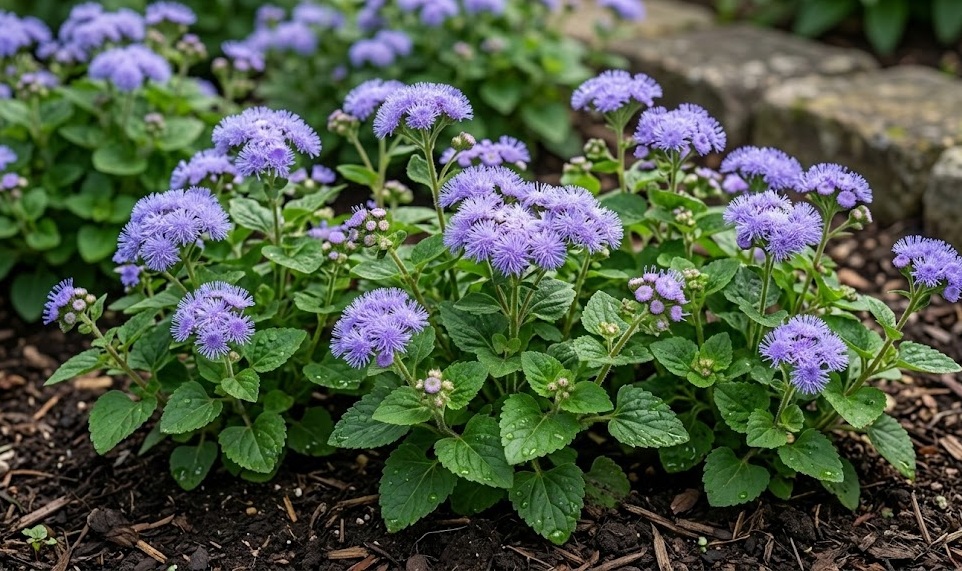
If you are using flossflowers as a border or a mass planting, you want the foliage to eventually touch without overlapping too much. This creates a solid carpet of color that is very effective for drawing the eye to specific areas of your landscape. You can achieve this “knit-together” look by using a staggered planting pattern rather than a simple grid. This technique maximizes coverage while still providing enough individual space for each plant to remain healthy and vigorous.
Companion planting strategies
Choosing the right neighbors for your flossflower can enhance both the visual appeal and the health of your entire garden. Many gardeners like to pair the cool blue tones of these flowers with bright yellows or oranges for a high-contrast look. Marigolds and zinnias are excellent choices because they share similar cultural requirements and bloom at the same time. These combinations create a dynamic and energetic atmosphere that lasts throughout the summer season.
Beyond aesthetics, some companion plants can offer practical benefits like natural pest deterrence or soil improvement. Certain aromatic herbs, like basil or parsley, can be planted nearby to help mask the scent of your flowers from hungry insects. This holistic approach to gardening reduces the need for chemical interventions and promotes a more balanced ecosystem. You should always research the growth habits of potential companions to ensure they won’t overshadow or outcompete your primary plants.
Silver-foliaged plants also make a stunning backdrop for the soft textures and colors of the flossflower. Dusty miller or artemisia can provide a neutral contrast that makes the blues and purples of the blooms appear even more saturated. This color theory application is a common technique used by professional landscape designers to create depth and interest in a flower bed. It allows the individual characteristics of each plant species to stand out while contributing to a cohesive whole.
When selecting companion plants, it is also important to consider their water and nutrient needs to ensure compatibility. You shouldn’t pair a drought-tolerant succulent with a moisture-loving flossflower, as one of them will inevitably suffer. Grouping plants with similar requirements, a practice known as hydrozoning, makes your irrigation routine much more efficient and effective. This careful planning ensures that every plant in the bed receives exactly what it needs to flourish without wasting resources.
Evaluating plant health throughout the season
A professional gardener is always observing their plants for subtle changes that might indicate a shift in health or vigor. You should make it a habit to walk through your garden every morning to check the color of the leaves and the firmness of the stems. Healthy flossflowers should have vibrant green foliage and sturdy stalks that hold the flower heads upright. If you notice any yellowing or drooping, it is usually a sign that something in the environment needs to be adjusted.
The quality of the blooms is another excellent indicator of the overall well-being of the plant. If the flower heads are small or sparse, it might be an indication that the soil is lacking in essential nutrients. On the other hand, excessively lush foliage with very few flowers often suggests that there is too much nitrogen in the soil. Finding the right balance is an art form that comes with experience and careful observation of how your plants respond to different treatments.
Checking the underside of the leaves is a simple but effective way to catch potential problems before they escalate. Many pests and fungal spores start their life cycles in these hidden areas where they are protected from the sun and rain. If you see any spots, webbing, or unusual textures, you should identify the cause immediately and take appropriate action. Early detection is always the best defense against major outbreaks that could ruin your entire display.
Documenting your observations in a garden journal can be incredibly helpful for improving your skills year after year. Note down when the first flowers appeared, which areas of the garden performed the best, and any challenges you faced. This record becomes a personalized guidebook that reflects the unique conditions of your specific microclimate and soil. Over time, you will develop a deep intuition for the needs of your plants, making the care process feel natural and effortless.