
Maintaining the health and vitality of this resilient deciduous tree requires a nuanced understanding of its specific environmental preferences and growth habits. While it is known for its hardiness in urban settings, providing consistent attention during its formative years ensures a robust canopy and strong root system. You should focus on creating a stable environment that mimics its natural limestone-rich habitats to achieve the best aesthetic results. Regular monitoring for signs of stress or nutrient imbalance allows for timely interventions that preserve the tree’s ornamental value.
The structural integrity of the canopy depends heavily on the initial years of growth when the tree establishes its primary scaffold branches. You must ensure that the surrounding soil remains well-aerated and free from heavy compaction, which can hinder the gas exchange necessary for root health. Mulching with organic matter provides a dual benefit by regulating soil temperature and slowly releasing nutrients into the earth. It is essential to keep the mulch a few inches away from the trunk to prevent moisture buildup that might lead to bark decay.
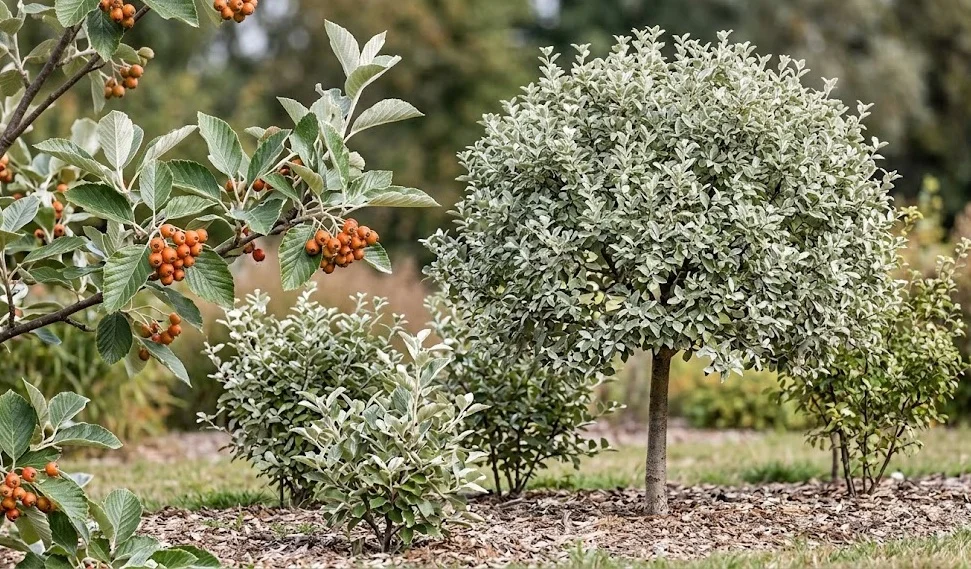
Adapting your maintenance routine to the changing seasons is a hallmark of professional arboriculture when dealing with this particular species. During the transition from spring to summer, the metabolic demands of the tree increase significantly as it produces dense foliage and white floral clusters. You should pay close attention to the soil moisture levels during prolonged dry spells, even if the tree is considered drought-tolerant once established. Observation of the leaf margins can often reveal early signs of physiological drought before the tree suffers permanent damage.
Long-term care strategies must also account for the tree’s slow to moderate growth rate, which influences how it responds to environmental changes. Investing time in soil testing every few years helps in tailoring a specific amendment plan that addresses the unique mineral profile of your planting site. You will find that maintaining a slightly alkaline to neutral pH level supports the most vigorous growth and leaf coloration. Professional gardeners often prioritize the health of the rhizosphere, as a thriving underground ecosystem directly translates to a more resilient specimen above ground.
Integrated management involves checking the tree’s physical condition at least once a month during the active growing season. You should look for any structural weaknesses, such as narrow crotch angles or crossing branches that might cause friction wounds. Removing dead or damaged wood promptly prevents it from becoming an entry point for opportunistic pathogens. This proactive approach minimizes the need for drastic corrective measures later in the tree’s life cycle.
More articles on this topic
The aesthetic appeal of the silvery-white leaf undersides is best preserved through proper hydration and nutrition. When the tree is under significant stress, it may shed leaves prematurely, which detracts from its landscape utility as a shade or specimen tree. You can enhance the natural beauty of the foliage by ensuring the tree is not competing excessively with aggressive turfgrass for resources. Creating a dedicated tree pit or a wide mulched zone around the base significantly reduces competition and mechanical damage from lawn equipment.
Environmental stewardship in the garden means recognizing how the tree interacts with local wildlife and the broader ecosystem. The berries produced in autumn are a vital food source for birds, and maintaining a chemical-free care routine supports these beneficial visitors. You should avoid over-applying synthetic products that might disrupt the delicate balance of beneficial insects living within the canopy. A holistic approach to care not only benefits the tree but also enhances the biological diversity of the entire garden area.
As the tree reaches maturity, the focus shifts from encouraging rapid growth to maintaining structural stability and crown density. Older specimens may require professional inspections to assess the health of the inner wood and the strength of major limbs. You should continue to monitor the site for any changes in drainage patterns or soil grade that might affect the root zone. Consistent, thoughtful care ensures that this elegant tree remains a focal point of the landscape for many decades to come.