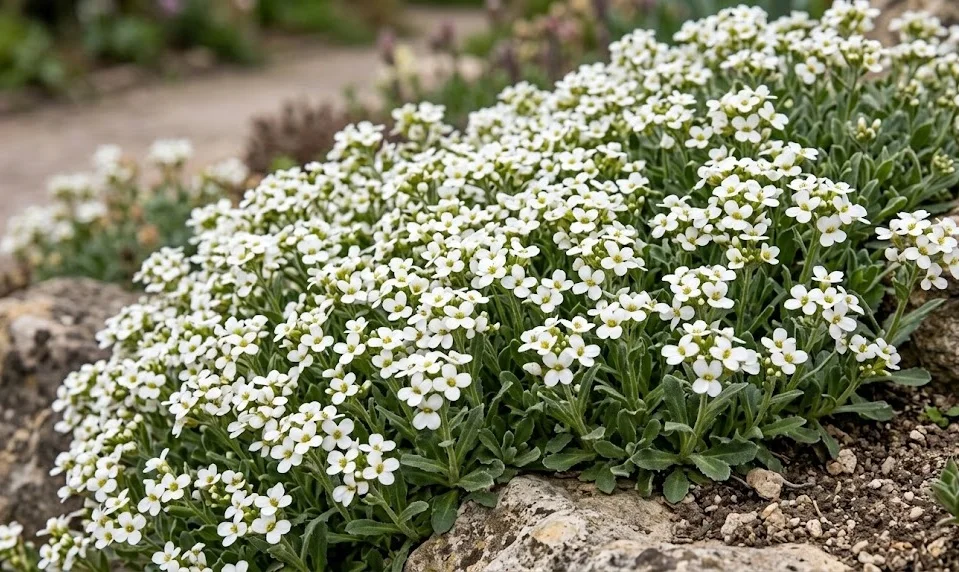

The Caucasian rockcress serves as a quintessential addition to any alpine garden or rocky landscape due to its resilient nature and vibrant spring display. Achieving the best results requires a nuanced understanding of its specific ecological needs and growth patterns throughout the changing seasons. Expert gardeners appreciate this species for its ability to form dense carpets of silver-green foliage that persist even when the flowers have faded. By paying close attention to the local environment and soil structure, you can ensure that this perennial thrives for many years in your garden.
Ensuring the proper start for your plants involves more than just placing them in the ground and hoping for growth. You should observe the natural drainage of your site because standing water is the primary enemy of this alpine beauty. Most successful growers find that a slightly elevated position helps mimic the mountainous terrain where these plants originate naturally. Providing a stable environment from the beginning will reduce the stress on the root system and encourage faster establishment.
The structural integrity of the soil plays a vital role in the long-term vitality of the rockcress carpet. You must aim for a medium that is rich in minerals but low in heavy organic matter that tends to retain excessive moisture. Mixing fine gravel or crushed stone into the planting hole can significantly improve the aeration around the sensitive root crown. A well-aerated root zone allows the plant to breathe and prevents the onset of fungal issues during humid periods.
Regular monitoring of the foliage will give you immediate feedback on the health of your Caucasian rockcress. Healthy specimens should exhibit a firm texture and a characteristic grayish hue that indicates proper nutrient uptake. If you notice any yellowing or thinning of the mats, it may be time to assess the surrounding conditions for potential improvements. Keeping a close eye on these subtle changes allows for proactive care rather than reactive treatments.
Geological requirements and soil structure
Creating the perfect substrate involves balancing the need for some moisture retention with the absolute necessity of rapid drainage. You should prioritize a sandy or loamy texture that allows water to pass through the profile without settling around the roots. Many professionals recommend a soil pH that is neutral or slightly alkaline to mirror the limestone cliffs of the Caucasus. Testing your soil before planting can save a significant amount of effort by allowing for early amendments.
More articles on this topic
The addition of inorganic grit is often the secret to maintaining a healthy rockcress population over several seasons. You can incorporate horticultural grit or expanded clay pebbles into the top layers of the soil to facilitate better drainage. This practice not only helps the roots but also prevents the foliage from sitting on damp earth, which can lead to rot. A gritty surface also discourages some pests that prefer softer and wetter environments.
Nutrient levels in the soil should be managed with a light hand to prevent excessive and leggy growth. While some organic compost is beneficial, too much nitrogen will cause the plant to lose its compact and attractive form. Focus on maintaining a balanced mineral content that supports slow and steady development rather than rapid bursts of foliage. This approach ensures that the plant remains hardy and better able to withstand environmental fluctuations.
Compaction is a common issue in garden beds that can slowly suffocate the roots of your rockcress. You should avoid stepping near the planting area and consider using stepping stones if access is required for maintenance. Loosening the soil gently around the edges of the mat every spring can help maintain a porous structure. This small effort goes a long way in ensuring that the underground systems remain functional and expansive.
Growth patterns and spatial management
The spreading habit of this species makes it an excellent ground cover, but it requires careful spatial planning to avoid overcrowding. You should allow enough room between individual plants so they can expand without immediately competing for resources. In a few years, these individuals will merge into a seamless blanket that suppresses weeds and protects the soil surface. Understanding this timeline helps you design a garden that looks mature and intentional from the start.
More articles on this topic
Seasonal changes trigger specific growth phases that you must anticipate to maintain a professional appearance. In early spring, the plant focuses all its energy on flower production, creating a stunning white or pink canopy. Once the blooming period ends, the energy shifts toward vegetative expansion and root strengthening for the coming heat. By recognizing these transitions, you can adjust your care routine to support the plant’s current physiological needs.
Managing the density of the mat is important for maintaining airflow within the lower layers of the foliage. Overly thick mats can trap moisture and heat, which creates a microclimate favorable to pathogens and rot. You might need to thin out certain areas if the growth becomes too congested over several successful growing seasons. This intervention keeps the plant rejuvenated and ensures that every part of the specimen receives adequate light.
The height of the rockcress is relatively low, which makes it a perfect candidate for the front of a border. You should consider the vertical hierarchy of your garden to ensure that taller neighbors do not completely overshadow the rockcress. Maintaining a clear space around the perimeter of the mat prevents other aggressive perennials from encroaching on its territory. A well-defined boundary allows the rockcress to showcase its unique texture and form effectively.
Environmental adaptation and climate resilience
This subspecies is remarkably adapted to cool climates and high-altitude conditions where temperatures can fluctuate rapidly. You will find that it performs exceptionally well in regions with cold winters and relatively mild summers. If you live in a warmer zone, providing some afternoon shade can prevent the foliage from scorching during peak heat. Its natural resilience makes it a reliable choice for gardeners who face unpredictable weather patterns.
Air circulation is perhaps one of the most overlooked aspects of caring for alpine plants in a traditional garden. You should avoid planting rockcress in stagnant corners or behind large walls where the air remains still for long periods. Moving air helps to dry the foliage after rain and reduces the humidity that can lead to leaf diseases. A breezy location mimics the mountain ridges and keeps the plant feeling at home in your landscape.
Exposure to wind is generally tolerated well by the Caucasian rockcress due to its low-profile growth habit. You do not need to worry about providing windbreaks, as the plant is built to withstand gusts that would damage taller species. In fact, moderate wind can help strengthen the stems and keep the plant compact and sturdy. This durability is one of the reasons it is so highly valued for rock gardens and exposed slopes.
The relationship between temperature and moisture is critical during the transitional periods of autumn and spring. You should be aware that late frosts rarely damage the established plants, as they are naturally frost-resistant. However, sudden warm spells followed by deep freezes can be tricky if the plant has already started its spring growth. Monitoring the local forecast allows you to provide temporary protection if an extreme weather event is predicted.
Integration with companion species
Selecting the right neighbors for your rockcress can enhance both the health of the plants and the beauty of the garden. You should look for other alpine or Mediterranean species that share similar requirements for sun and drainage. Plants like aubrieta, creeping phlox, or dwarf iris make excellent companions that bloom at different times. This diversity creates a dynamic visual interest while ensuring that no single plant dominates the resources.
Avoid placing high-maintenance or moisture-loving plants directly next to your Caucasian rockcress. The frequent watering required by such neighbors could lead to root rot for the drought-tolerant rockcress. Instead, choose companions that thrive on neglect and can survive with the same minimal intervention. This strategy simplifies your gardening tasks and creates a more harmonious and sustainable plant community.
Consider the color palette of the foliage when choosing companions to create a sophisticated look. The silvery-green leaves of the rockcress provide a beautiful backdrop for dark-leaved succulents or vibrant purple flowers. You can use these contrasts to highlight the unique texture of the rockcress mats throughout the year. Thoughtful placement ensures that each species contributes to the overall aesthetic without clashing.
Root competition is a factor you must consider when planting different species in close proximity. The rockcress has a relatively shallow but wide-reaching root system that can be easily disturbed by aggressive diggers. Choosing companions with deep taproots can help share the soil volume more efficiently without direct competition. This balanced approach to the underground environment leads to a more stable and resilient garden bed.
Seasonal maintenance and annual tasks
The arrival of spring marks the busiest time for anyone managing a collection of Caucasian rockcress. You should begin by clearing away any dead leaves or debris that may have accumulated over the winter months. This cleanup allows the new shoots to emerge without obstruction and prevents pests from hiding in the litter. A clean start in the spring sets the stage for a spectacular flowering display in the coming weeks.
During the active growing season, your main task is to monitor the plant for any signs of stress or overcrowding. You might need to remove a few stray weeds that manage to pierce through the dense mat of foliage. Keeping the area weed-free is easier when the rockcress is healthy, as it naturally acts as a living mulch. Regular walks through the garden will help you catch any issues before they become significant problems.
As the summer progresses, the plant enters a period of slower growth where it focuses on survival rather than expansion. You should resist the urge to over-water during this time, as the plant is naturally adapted to dry summer conditions. Providing a little extra care during extreme heatwaves, such as temporary shading, can be helpful but is often not strictly necessary. Trusting the plant’s natural defenses is often the best approach during the hottest months.
Autumn is the perfect time to evaluate the performance of the plant and plan for any necessary changes. You can decide if the mats need to be expanded or if some areas should be relocated to better spots. Preparing the soil around the plants for the winter will ensure they have the best chance of returning strongly next year. A few simple steps in the fall can save a lot of work when the next growing season begins.
Long-term sustainability and garden health
Maintaining a healthy population of Caucasian rockcress requires a commitment to observing the long-term trends in your garden. You should notice how the soil changes over time and whether the drainage remains effective after several years of rain. Occasionally adding fresh grit to the surface can help maintain the physical properties that the plant loves. Sustainable gardening is about working with the plant’s natural lifecycle rather than forcing it to adapt.
The age of the plant can eventually affect its vigor and its ability to produce a full canopy of flowers. You might see the center of older mats starting to look woody or sparse after four or five years. When this happens, it is often a sign that the plant needs to be rejuvenated through division or replacement. Keeping your stock young and vigorous ensures that the garden always looks its absolute best.
Documenting your observations in a garden journal can provide invaluable insights for future care. You should record the blooming dates, any pest outbreaks, and how the plants responded to different weather events. Over time, this data will help you refine your techniques and become a true expert in local rockcress cultivation. Sharing this knowledge with other gardeners can also help build a community of successful alpine enthusiasts.
Ultimately, the goal is to create an environment where the Caucasian rockcress can thrive with minimal human interference. By providing the right foundation and respecting its natural habitat, you allow the plant to express its full potential. A well-cared-for rock garden is a testament to the gardener’s understanding of the delicate balance of nature. Enjoy the process of learning and growing alongside these resilient and beautiful mountain plants.