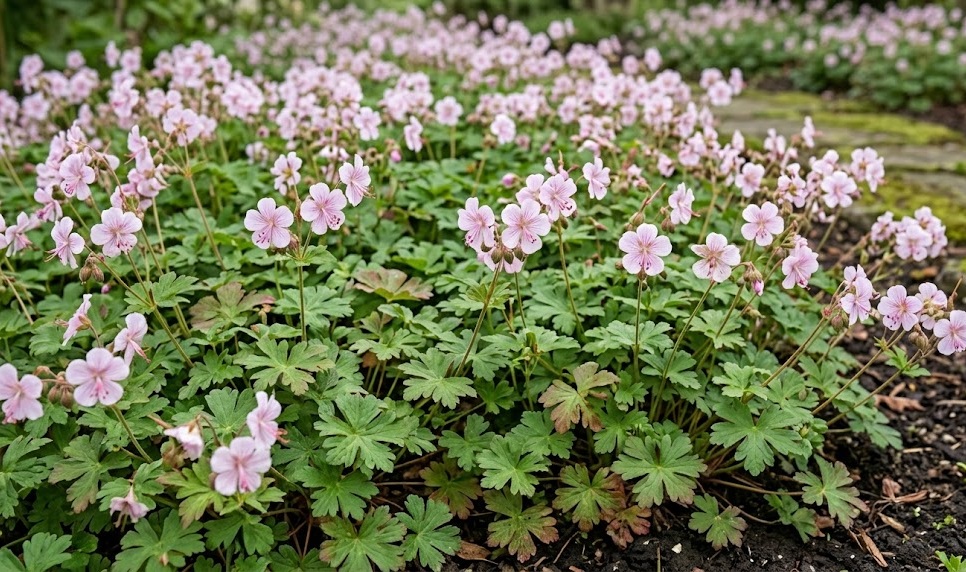

Cambridge cranesbill is a remarkably resilient perennial that serves as an excellent ground cover for diverse garden styles. Its semi-evergreen foliage provides interest throughout most of the year, while the delicate flowers offer a burst of color in late spring. Gardeners appreciate this plant for its ability to suppress weeds effectively once it becomes established in the soil. Mastering the care of this species requires understanding its specific environmental preferences and growth habits.
The leaves of this hybrid geranium are aromatic, releasing a pleasant scent when brushed against or crushed. This fragrance serves as a natural deterrent for some pests, making the plant a low-maintenance choice for many landscapes. As the seasons change, the foliage often takes on reddish or bronze tints, adding visual depth to the garden bed. Such versatility ensures that the plant remains a staple in both modern and traditional horticultural designs.
Successful cultivation begins with recognizing the plant’s adaptability to various climate zones and microclimates. While it is hardy, providing the right foundation in terms of placement will dictate its long-term health and vigor. It thrives in conditions that mimic its natural woodland or meadow origins, favoring stability over extreme fluctuations. Observant gardeners will notice how the plant responds to its surroundings by adjusting its growth density.
Maintaining a healthy specimen involves regular monitoring rather than constant intervention or complex chemical treatments. Simple tasks like clearing away debris and checking for overcrowding will go a long way in ensuring its longevity. The plant is known for its ability to form dense mats that prevent erosion on sloped areas of the property. With a little attention, this cranesbill can become the backbone of a vibrant and sustainable outdoor space.
Understanding soil composition and health
The foundation of a thriving Cambridge cranesbill is the quality and structure of the soil in which it resides. It prefers soil that is rich in organic matter but retains a crumbly texture to allow for proper air circulation around the roots. Heavy clay can be problematic if it holds too much water, potentially leading to issues with root health over time. Conversely, overly sandy soil may drain too quickly, requiring more frequent amendments to sustain the plant during dry periods.
More articles on this topic
Improving the soil before planting is a wise investment that pays dividends in the form of lush growth and abundant flowers. Incorporating well-rotted compost or leaf mold can enhance the nutrient profile and moisture-holding capacity of the ground. It is also beneficial to check the drainage, as stagnant water is one of the few things this plant truly dislikes. A neutral to slightly alkaline pH is generally ideal, though the plant is famously tolerant of various chemical compositions.
Maintaining soil health throughout the year involves avoiding heavy compaction from foot traffic or heavy machinery near the root zones. Mulching with organic materials helps to preserve the soil structure and keeps the microbial life active and healthy. Over time, the plant itself will contribute to soil health by depositing organic matter as older leaves decompose. This natural cycle creates a self-sustaining environment where the cranesbill can flourish with minimal outside help.
If you notice the soil becoming depleted or hard-packed, gentle aeration can help the roots breathe more easily. Using a garden fork to carefully loosen the earth around the perimeter of the plant is often sufficient for established clumps. Be mindful not to disturb the shallow root system too deeply, as this could cause temporary stress to the plant. A healthy soil environment is the best defense against environmental stressors and potential disease outbreaks.
Sunlight and positioning for optimal growth
Choosing the right spot in the garden is crucial for achieving the best balance of foliage and flowers. Cambridge cranesbill is highly adaptable, performing well in everything from full sun to dappled or partial shade. In cooler climates, full sun exposure can lead to more prolific blooming and more intense autumn leaf colors. However, in regions with scorching summers, a bit of afternoon shade can prevent the foliage from looking tired or scorched.
More articles on this topic
The plant’s ability to thrive in the dry shade under trees makes it a valuable asset for difficult garden corners. Many ground covers struggle in these competitive environments, but this geranium holds its own against tree roots. When positioned correctly, it creates a seamless transition between the manicured parts of the lawn and the wilder woodland edges. Consider the path of the sun throughout the day to ensure the plant receives at least a few hours of bright light.
Spacing is another critical factor to consider when positioning these perennials for long-term success. If planted too closely, the lack of airflow can encourage fungal issues, even in relatively resistant varieties. If planted too far apart, the ground cover effect will take much longer to materialize, leaving room for opportunistic weeds. Aim for a distance that allows the plants to touch and interlock within two growing seasons for the best visual impact.
Keep in mind that the plant’s growth habit is spreading but not aggressively invasive in most garden settings. This makes it an ideal neighbor for taller perennials or shrubs that can provide a bit of structural contrast. It can also be used to soften the edges of stone pathways or cascading over the lip of a low retaining wall. By observing the light patterns in your garden, you can find the perfect home for this versatile and charming plant.
General maintenance and seasonal tasks
Routine maintenance for this species is relatively straightforward, making it perfect for busy gardeners or beginners. During the active growing season, removing spent flowers can help keep the plant looking tidy and may encourage a smaller secondary flush of blooms. While not strictly necessary for the plant’s survival, this practice prevents the stems from looking leggy or unkempt. It also allows the beautiful foliage to take center stage once the main flowering period has concluded.
As autumn approaches, the maintenance focus shifts toward preparing the plant for the cooler months ahead. The foliage often transitions into stunning shades of red and orange, providing a late-season highlight in the garden landscape. You can choose to leave this foliage intact to provide a natural layer of protection for the crown during the winter. Alternatively, some gardeners prefer to trim back the most withered parts to maintain a cleaner appearance in the dormant season.
Spring is the time for a fresh start, where a bit of cleanup can stimulate vigorous new growth as temperatures rise. Removing any dead or damaged leaves from the previous year allows the new shoots to emerge without any physical obstructions. This is also an excellent time to inspect the plant for any signs of winter damage or localized soil erosion. A light application of compost at this stage will provide the energy needed for the upcoming flowering season.
Throughout the year, keep an eye on the overall spread of the plant to ensure it stays within its designated boundaries. While it is not a fast walker, it can slowly encroach upon smaller or less vigorous neighbors if left entirely unchecked. Simply digging up the edges or trimming back the runners will keep the colony contained and healthy. This proactive approach ensures that the garden remains balanced and that all plants have the space they need.
Enhancing garden aesthetics with foliage
The visual appeal of Cambridge cranesbill extends far beyond its charming flowers, thanks to its dense and attractive leaves. The foliage forms a low, rounded mound that creates a sense of order and lushness in the garden beds. Because the leaves are relatively small and deeply lobed, they create a fine texture that contrasts beautifully with larger-leaved plants. This makes the geranium an excellent choice for creating “layers” within a professional horticultural design.
In many regions, this plant remains semi-evergreen, meaning the garden does not look completely barren during the winter months. Even when the leaves are not actively growing, they provide a textural presence that catches the frost and snow beautifully. This year-round interest is a major reason why landscape designers frequently include it in public and private projects. It bridges the gap between the high-impact summer perennials and the structural winter shrubs.
The aromatic nature of the leaves adds another sensory dimension to the garden experience when planted near seating areas. Walking past a patch of these geraniums or accidentally stepping on a stray runner releases a refreshing, herbal scent. This makes the plant an excellent candidate for sensory gardens or for lining garden paths where interaction is likely. It is a subtle detail that elevates the garden from a purely visual space to a more immersive environment.
By selecting different cultivars, gardeners can play with a range of foliage shades and flower colors to suit their themes. Some varieties have lighter green leaves, while others lean toward a darker, more forest-green hue that feels very lush. The flowers can range from pure white to soft pink or even a deep magenta, depending on the specific selection. This variety allows for creative combinations that can highlight the best features of the surrounding landscape.
Long-term vitality and rejuvenation strategies
Even the hardiest plants can benefit from periodic rejuvenation to maintain their peak performance and aesthetic appeal. Over several years, the center of a large cranesbill clump may become slightly woody or less productive in terms of flowering. This is a natural part of the plant’s life cycle and serves as a signal that it is time for a bit of intervention. Dividing the plant every three to four years is a common and highly effective way to restore its youthful energy.
The process of rejuvenation is best handled during the shoulder seasons when the weather is mild and the plant is not in full bloom. Digging up the entire clump allows you to inspect the root system and identify the most vigorous sections for replanting. You can discard the older, woodier parts and use the fresh, outer growth to start new colonies elsewhere. This not only helps the original plant but also provides you with free additions to your garden collection.
If you prefer not to divide the plant, a hard prune can sometimes achieve a similar refreshing effect on the foliage. Cutting the plant back significantly after its main flowering period can stimulate a flush of brand-new, vibrant leaves. This is particularly useful if the foliage has become tattered by weather or pests during the early summer months. Within a few weeks, the plant will usually recover and look as good as it did in the early spring.
Consistent care and attention to the plant’s needs will ensure that it remains a permanent fixture in your garden for decades. While it is tough, ignoring it completely for many years may lead to a slow decline in its overall health. By keeping an eye on its growth patterns and acting when it shows signs of age, you can enjoy its beauty indefinitely. It is a plant that truly rewards the gardener who understands the value of long-term stewardship.
Creating a sustainable and resilient landscape
In the modern world of gardening, sustainability and water conservation have become increasingly important considerations for everyone. Cambridge cranesbill fits perfectly into this philosophy because it requires very little supplemental irrigation once it is fully established. Its ability to cover the ground effectively reduces the evaporation of moisture from the soil surface, benefiting nearby plants as well. By using this geranium, you are creating a more resilient landscape that can withstand periods of dry weather.
The plant also supports local biodiversity by providing shelter and occasionally food for various beneficial insects and garden visitors. While it is not the primary host for many species, its dense growth provides a safe harbor for ground beetles and other predators. These creatures play a vital role in natural pest control, helping to keep the entire garden ecosystem in a healthy balance. Choosing plants that perform multiple ecological roles is a hallmark of professional and responsible gardening.
Furthermore, the reduced need for chemical fertilizers and pesticides makes this plant an environmentally friendly choice for any backyard. Because it is naturally resistant to most common issues, you can avoid the use of harsh substances that might harm pollinators. This contributes to a cleaner, safer garden environment for children, pets, and the local wildlife that visits your property. It is a prime example of a plant that works with nature rather than requiring constant combat against it.
Finally, the long-lived nature of this perennial means that you do not need to replace it frequently, reducing garden waste. Many “trendy” plants are short-lived or require significant resources to maintain, but this geranium is a steady and reliable performer. Investing time in its care is an investment in the future of a stable and beautiful outdoor sanctuary. It remains a top recommendation for anyone looking to build a garden that is as practical as it is beautiful.