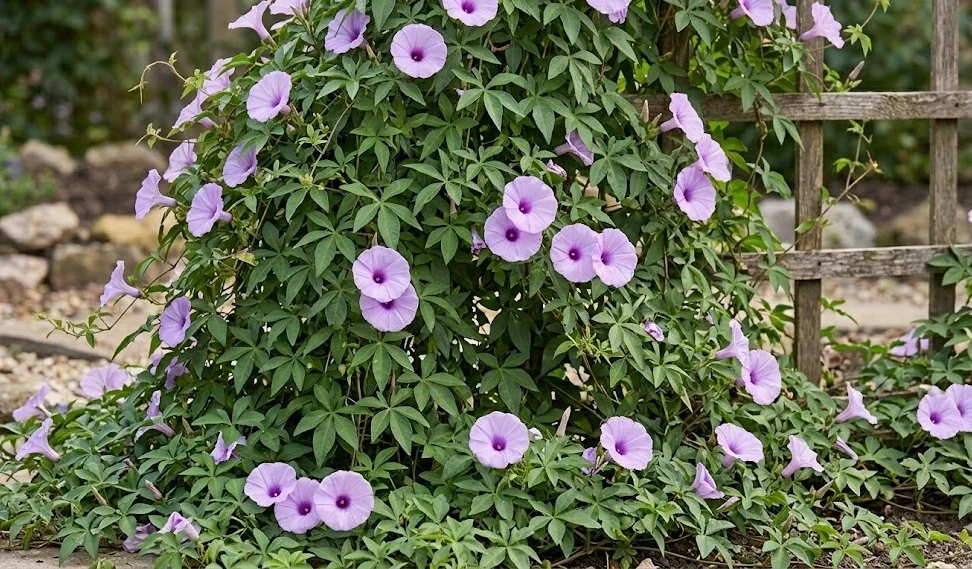

Growing these vibrant climbers successfully requires a comprehensive understanding of their unique growth patterns and physiological needs. As an enthusiast or professional, you must recognize that these vines are remarkably resilient but demand specific environmental triggers to flourish. Proper care begins with selecting the right site and ensuring the soil conditions remain optimal throughout the year. When managed correctly, the foliage becomes a lush backdrop for the stunning blossoms that define this species.
The daily maintenance of your vines should focus on monitoring the overall vitality of the leaves and stems. You will notice that the plant responds quickly to changes in ambient temperature and humidity levels. It is essential to check for any wilting during the hottest parts of the day, as this indicates a need for immediate intervention. By maintaining a steady observation routine, you can prevent minor issues from escalating into significant structural damage.
The structural integrity of the climbing support is another critical aspect of long-term care for these plants. As the vines grow, they become increasingly heavy and require a sturdy trellis or fence to cling to. You should inspect the ties and supports monthly to ensure they are not cutting into the delicate tissue of the stems. Reinforcing the support system during the early stages of growth will save you from potential collapses during the peak season.
Soil management involves more than just checking moisture levels; it requires a focus on aeration and drainage. You should periodically loosen the top layer of soil around the base to prevent compaction from heavy rains or irrigation. Adding a thin layer of organic mulch can help regulate soil temperature and keep the roots cool in the summer. This proactive approach to soil health ensures that the plant has access to the oxygen and nutrients it needs to thrive.
Seasonal maintenance routines
Understanding the lifecycle of the plant is vital for timing your maintenance tasks effectively throughout the seasons. During the spring, the focus should be on encouraging new growth through gentle cleaning of the planting area. You should remove any debris or dead plant material that may have accumulated over the winter months. This preparation sets the stage for a vigorous growing season and reduces the risk of fungal infections.
More articles on this topic
In the height of summer, the primary goal shifts toward moisture retention and protection from extreme heat. You might find that applying a light misting in the early morning helps the plant cope with intense midday sun. It is important to avoid over-handling the vines during this period of rapid expansion to prevent stress. Constant vigilance during these months ensures that the plant remains healthy and produces a high volume of flowers.
As autumn approaches, you should begin slowing down the intensive care routines to prepare the plant for dormancy. Reducing the frequency of interventions helps the plant naturally transition into its resting phase. You should look for signs of hardening in the stems, which indicates the plant is getting ready for cooler weather. This transition period is crucial for the long-term longevity of the climber in your garden landscape.
Winter care focuses almost entirely on protection and ensuring the roots remain viable for the next year. Depending on your climate, this might involve heavy mulching or providing temporary shelters against freezing winds. You should avoid any heavy disturbances to the root zone during this time to prevent shock. A successful winter strategy ensures that the plant will return with renewed vigor as soon as the ground warms up.
Soil health and composition
The foundation of any successful gardening endeavor lies in the quality and composition of the soil provided to the plant. These vines prefer a medium that is rich in organic matter but retains a loose, crumbly texture for easy root penetration. You should aim for a slightly acidic to neutral pH level to ensure maximum nutrient availability. Testing your soil annually can provide valuable insights into what amendments might be necessary for optimal results.
More articles on this topic
Adding compost or well-rotted manure can significantly improve the physical structure of sandy or clay-heavy soils. You will find that healthy soil biodiversity supports the plant’s immune system against common environmental stressors. It is best to incorporate these organic materials well before the peak growing season begins. This allows the soil microbes to break down the material into a form that the roots can easily absorb.
Drainage is perhaps the most important physical characteristic of the soil for this particular species. If the roots sit in waterlogged earth for extended periods, they will quickly succumb to rot and decay. You can improve drainage by adding perlite or coarse sand to the planting hole if your soil is naturally heavy. Observing how quickly water disappears after a heavy rain will tell you everything you need to know about your site’s drainage.
Micronutrient balance is often overlooked but plays a significant role in the vibrancy of the foliage and flowers. Elements like iron, magnesium, and sulfur are essential for the photosynthesis process and overall metabolic function. You should look for specialized soil additives if you notice any yellowing between the leaf veins. A balanced approach to soil chemistry creates a stable environment where the plant can reach its full genetic potential.
Managing the climbing habit
The vigorous nature of these vines means they can quickly overtake a space if not managed with a firm hand. You must guide the young shoots toward the desired support structures as soon as they appear. Using soft garden twine or specialized clips can help train the plant without causing physical trauma. Regular guidance ensures that the vine grows in a balanced and aesthetically pleasing manner.
Controlling the density of the foliage is important for both the appearance of the plant and its overall health. When the vines become too thick, air circulation is restricted, which can lead to various humidity-related issues. You should occasionally thin out the center of the plant to allow light and air to reach the inner leaves. This practice encourages more even blooming across the entire surface of the climber.
Vertical growth is the natural tendency of this species, but you can also encourage horizontal spread for better coverage. By pinching off the leading tips, you force the plant to develop lateral branches that will fill in gaps. This technique is particularly useful if you are trying to cover a large wall or a wide trellis system. Strategic training results in a much more dense and impressive display of greenery.
Observing the direction of growth helps you identify which parts of the plant are competing for resources. Sometimes one side of the vine may dominate, leading to an unbalanced appearance and potential structural strain. You should redirect some of the more aggressive shoots to areas that are currently sparse. This careful management of the plant’s architecture creates a harmonious look in your professional landscape design.
Environmental stress factors
Like all living organisms, these climbers are subject to various environmental stressors that can impact their health. Extreme temperature fluctuations are perhaps the most common challenge faced by gardeners in temperate regions. You should be prepared to provide extra shade or water when the weather deviates from the plant’s comfort zone. Monitoring local weather forecasts allows you to take preemptive action before the plant shows signs of distress.
High winds can be particularly damaging to the large leaves and long, flexible stems of the vine. If your planting site is exposed, you may need to install windbreaks or ensure the trellis is exceptionally secure. Physical damage from wind can create entry points for pathogens and weaken the plant’s overall structure. Choosing a naturally sheltered location is often the best long-term solution for wind-related issues.
Pollution and poor air quality in urban environments can also take a toll on the plant’s respiratory processes. Dust and soot can accumulate on the leaves, blocking the stomata and reducing the efficiency of photosynthesis. You should gently wash the foliage with a soft spray of water during dry spells to remove these contaminants. Keeping the leaves clean ensures that the plant can breathe and produce energy effectively.
Soil salinity is a factor that often goes unnoticed until the plant begins to show significant decline. This is especially relevant in coastal areas or in gardens where low-quality tap water is used for irrigation. You can flush the soil with high-quality rainwater periodically to prevent the buildup of harmful salts. Understanding the chemical stresses in your specific microclimate is key to maintaining a professional-grade garden.
Biodiversity and ecological impact
In a professional agricultural context, it is important to consider how your plants interact with the local ecosystem. These flowers are excellent at attracting pollinators such as bees and butterflies to your garden space. By providing a consistent source of nectar, you are supporting the local insect populations and improving overall biodiversity. This ecological service adds value to the plant beyond its visual appeal.
However, you must also be aware of the plant’s potential to become invasive in certain tropical and subtropical regions. Its rapid growth rate allows it to quickly outcompete native species if it escapes cultivation. You should monitor the perimeter of your planting area to ensure the vines do not spread into unintended zones. Responsible gardening includes managing the expansion of vigorous species to protect local habitats.
The presence of these vines can also provide shelter for small birds and beneficial insects within the garden. The dense foliage creates a protected micro-environment that remains cooler and more humid than the surrounding air. You might find that your garden becomes a more active and vibrant space as a result of this added structure. Integrating plants that serve multiple ecological functions is a hallmark of modern expert landscaping.
Soil microbiology is also influenced by the root systems of these vigorous climbers as they interact with the earth. The roots release various compounds that can affect the types of bacteria and fungi present in the surrounding soil. This subterranean interaction is a complex part of the plant’s life that contributes to the health of the entire garden bed. Promoting a healthy soil ecosystem benefits every plant in the vicinity.
Long term sustainability of the vine
Maintaining a professional garden requires a focus on the long-term sustainability of every species you include. For these climbers, this means planning for their growth over several years rather than just a single season. You should invest in high-quality materials and consistent care routines that will stand the test of time. A sustainable approach reduces the need for expensive interventions and ensures the plant remains a permanent fixture.
Water conservation is an increasingly important consideration for the modern expert gardener or agriculturist. You should look for ways to optimize your irrigation systems, such as using drip lines or rainwater harvesting. These methods provide the plant with the hydration it needs while minimizing waste and reducing your environmental footprint. Efficient resource management is essential for the future of professional horticulture.
Self-sufficiency can be encouraged by allowing the plant to develop a deep and robust root system. By watering deeply but less frequently, you train the roots to search for moisture further down in the soil profile. This makes the plant much more resilient to temporary droughts and reduces its dependence on constant human care. Building resilience into your plants is a key strategy for long-term success.
Finally, keeping detailed records of your care routines and the plant’s responses can provide invaluable data. You should note the dates of first blooms, any pest outbreaks, and how the plant reacts to different fertilizers. This professional documentation allows you to refine your techniques and achieve better results every year. Continuous learning and adaptation are what separate the expert from the amateur gardener.