
Effective cabbage cultivation begins with a deep understanding of the plant’s physiological needs and environmental preferences throughout its growing cycle. Successful gardeners know that maintaining the right soil structure is the foundation of a healthy crop, as these plants are heavy feeders requiring consistent support. You should focus on preparing the bed with high-quality organic matter several weeks before you intend to introduce the young seedlings to their permanent location. This early intervention ensures that the soil has stabilized and nutrients are readily available for the initial growth spurt.
The second phase of maintenance involves consistent monitoring of the microclimate surrounding your cabbage patch to prevent physiological stress. Since these vegetables are sensitive to extreme temperature fluctuations, you might consider using row covers during particularly harsh periods to maintain a steady environment. Soil moisture levels must be kept uniform because irregular watering can lead to the dreaded cracking of the heads just as they reach maturity. You will find that checking the soil depth for moisture daily is a small task that pays significant dividends in the quality of the final harvest.
Biological health is equally important, so integrating companion plants can naturally improve the resilience of your cabbage against common environmental pressures. By surrounding your crop with aromatic herbs, you create a diverse ecosystem that helps mask the scent of the cabbage from potential issues. It is vital to maintain clear paths between rows to allow for adequate airflow, which significantly reduces the risk of fungal developments in the dense foliage. Observing the color and turgidity of the outer leaves will give you immediate feedback on whether your current care routine is meeting the plant’s needs.
As the heads begin to firm up, your role transitions into a phase of careful protection and stabilization to ensure the structural integrity of the crop. You should avoid disturbing the shallow root systems during this time, as any mechanical damage can stunt the development of the central head. Applying a thin layer of organic mulch can help regulate the temperature of the root zone while suppressing any competing vegetation that might steal essential minerals. Keeping a detailed log of your observations throughout this process will help you refine your techniques for future seasons and achieve more predictable results.
Implementing effective mulching techniques
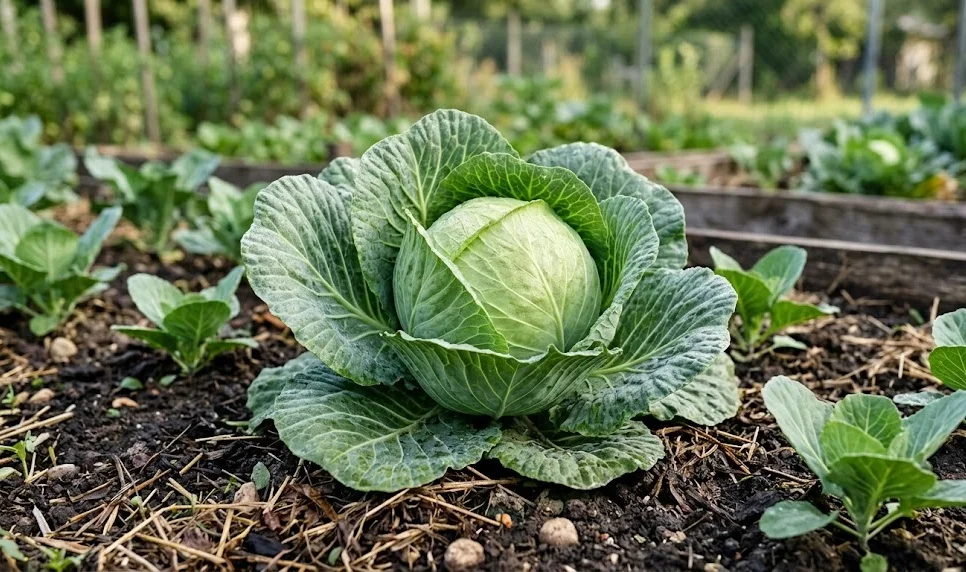
Mulching is one of the most effective ways to simplify your cabbage care routine while providing long-term benefits to the soil health. You should select a mulch material that decomposes slowly, such as clean straw or shredded bark, to provide a consistent barrier against moisture evaporation. This layer acts as a buffer that keeps the root zone significantly cooler during the heat of the day, which is essential for preventing premature bolting. By maintaining this protective blanket, you ensure that the delicate root hairs remain active and hydrated even during dry spells.
More articles on this topic
The application process requires precision because placing mulch too close to the stem can trap moisture and encourage unwanted rot at the base of the plant. You should leave a small gap of a few centimeters around each main stalk to allow for proper gas exchange and to keep the crown dry. This technique also discourages ground-dwelling organisms from accessing the succulent stems and causing hidden damage under the cover. Regularly replenishing the mulch as it breaks down will continuously improve the organic content of your soil over the entire growing period.
Beyond moisture retention, a thick layer of mulch serves as an excellent physical barrier that prevents soil-borne pathogens from splashing onto the lower leaves during rain. This simple mechanical protection is often more effective than chemical interventions in maintaining the aesthetic and health of the outer foliage. You will notice that the lower leaves remain cleaner and drier, which drastically reduces the labor required during the final cleaning process after harvest. It is a professional standard to utilize mulching not just for aesthetics but as a core component of an integrated crop management strategy.
Choosing the right type of mulch also influences the nutrient profile of your garden bed as the material slowly incorporates into the earth. If you use a nitrogen-rich mulch like grass clippings, ensure they are free from herbicides and applied in thin layers to prevent matting. For those managing larger areas, the labor-saving aspect of suppressed weed growth means you can spend more time on precision tasks like pruning or pest scouting. Consistency in your mulching strategy will create a stable environment that allows the cabbage to focus all its energy on head production.
Managing weed competition professionally
Weed management in a cabbage patch requires a proactive approach to ensure that your primary crop does not have to compete for light or space. You should begin your weeding efforts early in the season before the unwanted plants develop deep root systems that could intertwine with your cabbage. Hand-pulling is often the safest method near the base of the plant to avoid the risk of damaging the sensitive and shallow root structure of the vegetable. By keeping the immediate vicinity clear, you ensure that every drop of water and unit of fertilizer goes directly toward developing the edible parts.
More articles on this topic
As the cabbage grows and its large leaves begin to spread, they will naturally provide some shade that inhibits the growth of smaller weeds underneath. However, you must remain vigilant for aggressive climbing weeds or tall species that can pierce through the canopy and steal precious sunlight. Regular scouting twice a week is usually sufficient to identify and remove these intruders before they can set seed and create a long-term problem. This disciplined approach keeps your garden looking professional and functioning at its peak efficiency throughout the summer.
Mechanical cultivation tools should be used with extreme caution and only in the wide spaces between the established rows of your garden. If you choose to use a hoe, keep the blade shallow to prevent cutting the lateral roots that extend just below the soil surface. Many experienced growers prefer to use a combination of mulching and targeted hand weeding to minimize soil disturbance and maintain the integrity of the soil’s fungal networks. A clean field is not just about appearance; it is about maximizing the yield potential of every square meter of your cultivated land.
Long-term weed control also involves managing the perimeter of your cabbage patch to prevent seeds from blowing in from uncultivated areas. You might consider planting a border of low-growing flowers that act as a living mulch and prevent the encroachment of grass or hardy perennial weeds. This creates a managed transition zone that simplifies your maintenance tasks and adds a layer of biodiversity to your agricultural space. By treating weed control as a continuous process rather than a one-time chore, you maintain a superior environment for your crops.
Monitoring environmental stressors
Environmental monitoring is a critical skill for any professional gardener aiming to produce high-quality cabbage in varying climate conditions. You must pay close attention to the ambient humidity levels, as excessively damp air can create a breeding ground for various bacterial issues within the tightly packed leaves. If you notice persistent fog or dew, increasing the spacing between plants during the next planting cycle might be a necessary adjustment for your local microclimate. Being aware of these subtle shifts allows you to take preventive action before any visible signs of distress appear on the plants.
Temperature spikes are particularly dangerous for cabbage, as they can trigger a hormonal response that causes the plant to stop head production and begin flowering. If a heatwave is forecasted, providing temporary shade using a light-colored cloth can lower the leaf temperature by several degrees. This intervention preserves the sweet flavor of the cabbage and prevents the development of bitterness that often occurs under high-stress conditions. Your ability to anticipate these weather events will directly correlate with the consistency and quality of your seasonal harvest.
Wind protection is another factor that is often overlooked but can have a significant impact on the structural stability of large cabbage varieties. In open or exposed areas, constructing a simple windbreak can prevent the plants from rocking, which often damages the delicate anchoring roots. This stability allows the plant to allocate more resources to leaf development rather than structural repair after a storm. You will find that protected plants often grow more symmetrically and reach their target weight faster than those exposed to constant wind stress.
Lastly, tracking the daily sunlight hours helps you understand the growth rate and predict the optimal time for harvest with greater accuracy. Cabbage requires a minimum of six hours of direct light, but during the peak of summer, the intensity of that light must be managed carefully. If you observe the leaves drooping significantly in the afternoon, it may be a sign that the transpiration rate is exceeding the roots’ ability to supply water. Adjusting your care routine based on these real-time environmental cues is the hallmark of a truly expert grower.
Precision nutrient management
Nutrient management for cabbage should be handled with a focus on timing and the specific needs of the plant at different developmental stages. During the initial leafy growth phase, the demand for nitrogen is at its highest to ensure the production of large, healthy outer leaves that will eventually fold into the head. You should apply a balanced organic amendment at the time of planting to provide a steady release of these essential building blocks. Watching for a deep green color in the foliage will confirm that your nitrogen levels are sufficient for the current growth rate.
As the plant begins to transition into the heading stage, the focus should shift slightly toward phosphorus and potassium to support internal structure and disease resistance. You can achieve this by top-dressing with a well-composted manure or a specialized organic fertilizer that targets these specific minerals. It is important to avoid over-fertilizing with nitrogen late in the season, as this can lead to soft growth that is more susceptible to pests and storage rot. Achieving this balance requires a keen eye and a willingness to adjust your inputs based on the plant’s visible progress.
Micronutrients like boron and molybdenum are also vital for cabbage, as deficiencies can lead to internal browning or distorted growth patterns. If you notice unusual spotting or hollowing in the stems, it may be time to conduct a professional soil test to identify specific mineral gaps. Most high-quality composts will provide a sufficient range of these elements, but in depleted soils, targeted foliar sprays may be necessary for a quick correction. Maintaining a slightly acidic to neutral soil pH ensures that all these nutrients remain chemically available to the plant’s root system.
Record-keeping plays a vital role in your nutrient strategy, allowing you to correlate your applications with the vigor and taste of the final product. You should note the dates of each application and any visible changes in growth patterns that follow within the subsequent week. This data-driven approach removes the guesswork from your gardening and allows for a more professional and predictable production cycle. Over time, you will develop a customized fertilization schedule that is perfectly tuned to the specific needs of your soil and the cabbage varieties you choose to grow.
Optimizing leaf health and aesthetics
The aesthetic quality of cabbage is often a direct reflection of the health of the individual leaves, which must be protected from physical and biological damage. You should regularly inspect the undersides of the large outer leaves, as this is where many issues first become visible to the naked eye. Removing any yellowing or diseased lower leaves promptly will improve airflow around the base and prevent the spread of spores to the healthy parts of the plant. This clean approach ensures that the energy of the plant is not wasted on maintaining non-functional or damaged tissue.
Protecting the leaves from mechanical damage, such as hail or heavy rain, is also essential for maintaining a professional-grade appearance in your garden. Small tears in the leaf surface act as entry points for pathogens, so providing overhead protection during severe weather can be a wise investment. You might notice that undamaged leaves have a natural waxy coating, known as the bloom, which acts as a primary defense mechanism against dehydration and pests. Preserving this natural barrier by minimizing unnecessary handling will keep your cabbage looking vibrant and healthy until the day of harvest.
During the final weeks of growth, the density of the head becomes the primary focus, and you must ensure that the inner leaves remain succulent and crisp. If the outer leaves are too tough or leathery, it may be an indication of insufficient water or excessive heat during the early stages of development. You can encourage a better texture by maintaining a consistent watering schedule that keeps the plant’s internal pressure stable. A healthy cabbage should feel heavy for its size and have a bright, consistent color across the entire visible surface of the head.
Proper spacing remains the most effective way to ensure that each leaf has enough room to expand without being crushed by neighboring plants. When cabbage is crowded, the leaves often become distorted, and the lack of light reaching the lower portions can lead to premature leaf drop. You should adhere strictly to the recommended spacing for your specific variety to allow for the natural architectural beauty of the plant to shine. This attention to detail results in a crop that is not only productive but also a visual highlight of your professional gardening efforts.
Preparing for the final harvest phase
The transition to the harvest phase is a delicate time when your months of care finally culminate in a tangible reward. You should test the firmness of the cabbage heads by applying gentle pressure with your thumb to ensure they have reached the desired density. A mature head will feel solid and resistant, indicating that the internal leaves have fully developed and packed together tightly. Harvesting too early results in a loose head with less yield, while waiting too long increases the risk of the head splitting open due to internal pressure.
Timing your harvest for the early morning hours is a professional secret that helps preserve the crispness and nutritional value of the vegetable. At this time of day, the plant’s cells are fully hydrated and the temperature is at its lowest, which slows down the metabolic processes that lead to wilting. You should use a sharp, clean knife to make a single smooth cut at the base of the head, leaving a few wrapper leaves for protection. This clean cut minimizes the surface area exposed to the air and helps the cabbage stay fresh for a much longer period.
After the head is removed, you must decide whether to remove the entire root system or leave it in the ground for a secondary harvest of small sprouts. In many varieties, leaving the stump in place will encourage the growth of tiny “cabbage baubles” that can be harvested later in the season for stews or salads. This secondary yield is an excellent way to maximize the productivity of your garden space without any additional planting effort. If you choose to clear the bed, ensure the roots are composted properly to return the organic matter to your garden’s nutrient cycle.
Finally, handling the harvested cabbage with care during transport and storage will prevent bruising that could lead to rapid spoilage. You should place the heads in a cool, dark environment with high humidity to maintain their quality for several weeks or even months. Avoiding the use of plastic bags that trap excess moisture will prevent the development of mold on the outer leaves during storage. By following these professional harvesting and post-harvest steps, you ensure that the effort you put into the care of your cabbage is fully realized in the kitchen.