
Maintaining a healthy crop of Brussels sprouts requires a dedicated approach to soil management and environmental monitoring throughout the long growing season. You must ensure that the heavy-feeding plants receive a consistent supply of nutrients without over-saturating the delicate root systems. Success in the garden depends largely on your ability to balance moisture levels with adequate airflow around the developing stalks. By paying close attention to the specific needs of these brassicas, you can ensure a bountiful harvest of firm and flavorful sprouts.
Effective soil management is the foundation of any successful vegetable garden, especially when dealing with long-season crops like these. You should focus on maintaining a firm soil structure that supports the tall, top-heavy plants as they mature. Integrating well-rotted organic matter into the beds helps improve water retention while providing a slow release of essential minerals. Regular soil testing allows you to adjust the pH levels to the ideal range between six and seven for optimal growth.
Controlling the environment around your plants involves more than just checking the weather forecast every morning. You need to be proactive in managing the microclimate by using mulch to keep the roots cool during the heat of summer. Providing a steady environment helps prevent the plants from becoming stressed, which often leads to bitter-tasting sprouts. Consistent monitoring for early signs of stress allows you to make quick adjustments to your care routine before damage becomes permanent.
Strategic spacing between the plants is crucial for ensuring that each individual has enough room to expand its canopy. You should aim for a distance that allows for easy access during maintenance tasks like weeding and inspecting for pests. Good air circulation is vital for preventing the buildup of humidity, which can lead to various fungal complications. When the plants are given enough space, they can develop thick, sturdy stems that are less likely to lean or break under the weight of the harvest.
Managing weed competition in the garden
Keeping the area around your brassicas free from weeds is a continuous task that requires diligence throughout the season. Weeds compete directly for the same nutrients and water that your crop needs to develop those tight, crunchy buttons. You should perform shallow cultivation to avoid damaging the shallow root systems of your developing plants. Regular hand-pulling is often the safest way to remove stubborn invaders that grow too close to the main stems.
More articles on this topic
Establishing a thick layer of organic mulch can significantly reduce the number of weed seeds that germinate in your garden beds. Materials like straw or shredded leaves are excellent choices because they decompose slowly and improve soil health over time. This barrier not only blocks sunlight from reaching weed seedlings but also keeps the soil temperature more stable. Using mulch reduces the time you spend on manual labor, allowing you to focus on more specialized care tasks.
Early intervention is the key to preventing a minor weed problem from turning into a major infestation that chokes your crop. You should walk through your garden rows at least once a week to spot and remove any new green growth. Pay special attention to perennial weeds that can establish deep root systems if left unchecked for too long. By maintaining a clean environment, you ensure that all the energy in the soil is directed toward the growth of your sprouts.
The timing of your weeding efforts can make a significant difference in how much effort is required to maintain the beds. It is often easiest to remove weeds after a light rain when the soil is moist and the roots release more easily. Avoid working in the garden when the soil is soaking wet, as this can lead to compaction and damage the soil structure. Developing a consistent routine will make the management of your garden feel less like a chore and more like a rewarding process.
Providing structural support for maturing plants
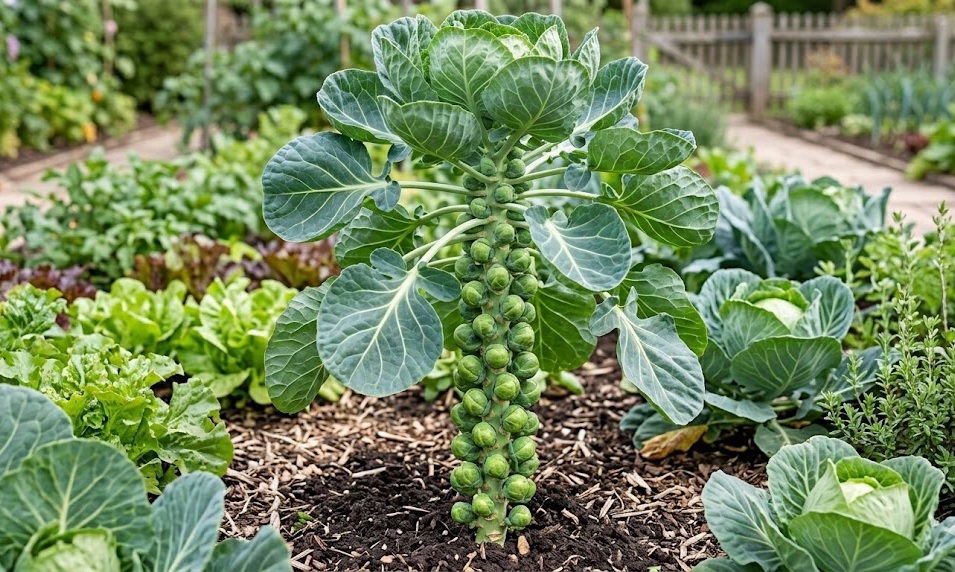
As the plants grow taller and the sprouts begin to enlarge, the center of gravity shifts significantly toward the top of the stalk. You may find that heavy winds or heavy rain can cause the plants to lean or even lodge completely in the soil. Providing some form of physical support is often necessary to keep the crop upright and the sprouts away from the ground. Sturdy wooden stakes or specialized garden hoops can provide the stability needed for these tall architectural plants.
More articles on this topic
Tying the stalks to supports should be done carefully to avoid constricting the natural expansion of the main stem. Use soft materials like garden twine or strips of old fabric that will not cut into the plant tissue as it grows. You should check these ties periodically throughout the season to ensure they are still providing adequate support without being too tight. Regular adjustments allow the plant to move slightly in the breeze, which actually helps strengthen the internal structure of the stem.
Positioning the supports early in the season is much easier than trying to install them once the plants have reached their full height. You can drive the stakes into the ground at the time of transplanting to ensure they are firmly anchored before the root system expands. This proactive approach prevents accidental root damage that can occur when pushing stakes into established garden beds. Having the infrastructure in place from the start makes the entire maintenance process much more streamlined.
In areas with high winds, you might consider creating a more comprehensive trellis system or using windbreaks to protect your crop. Grouping the plants together can offer some mutual protection, but you must still ensure that air can flow freely between them. Monitoring the lean of your plants after a storm will tell you if your current support system is sufficient or needs reinforcement. A well-supported plant is a healthy plant that can focus its energy on producing high-quality yields.
Temperature and climate management strategies
Brussels sprouts are known for their love of cooler temperatures, which is why they are a staple of the late autumn garden. However, extreme fluctuations in temperature during the early growth stages can cause the plants to bolt or produce loose sprouts. You should monitor the local climate closely and provide shade or extra water during unseasonably hot spells in late summer. Maintaining a consistent temperature profile helps the plant transition smoothly from vegetative growth to sprout production.
The arrival of the first light frosts in autumn is often welcomed by growers because it improves the sugar content and flavor of the sprouts. You do not need to rush the harvest at the first sign of cold, as these plants are incredibly resilient to freezing temperatures. However, if a deep and prolonged freeze is predicted, you may want to provide some temporary protection with row covers. Understanding the limits of your specific variety will help you determine the best time to intervene with protective measures.
Managing humidity levels is just as important as monitoring the temperature, especially in regions with damp autumns. High humidity can encourage the development of mold and rot within the tightly packed sprouts along the stem. You can improve the microclimate by ensuring your garden site has good natural drainage and is not located in a low-lying frost pocket. Promoting a dry environment around the foliage during the overnight hours is a key part of climate management.
If you are gardening in a particularly warm region, you might need to adjust your planting calendar to take advantage of the coolest months. Starting seeds earlier or choosing heat-tolerant varieties can help bridge the gap during the hottest parts of the year. You can also use companion planting to provide natural shade for the young brassicas during their most vulnerable stages. Adapting your techniques to your specific local climate is a hallmark of an expert gardener.
Maintaining optimal foliage health
The large, fan-like leaves of the plant are the primary engine for energy production and sprout development. You should inspect the foliage regularly for any signs of yellowing or spotting, which could indicate a nutrient deficiency or disease. Healthy leaves should be a deep, vibrant green and feel firm to the touch when you brush against them. Protecting the integrity of the leaves ensures that the plant has the resources it needs to build dense, high-quality sprouts.
As the season progresses, you may notice that the oldest leaves at the bottom of the stalk naturally begin to fade and droop. It is often beneficial to remove these aging leaves to improve air circulation and make it easier to see the developing sprouts. Use clean, sharp shears to make precise cuts close to the stem without damaging the small buttons forming in the leaf axils. Removing dead or dying material also reduces the hiding spots for pests that might try to overwinter in your garden.
A balanced approach to foliage management involves keeping enough leaves to power growth while removing those that are no longer productive. You should avoid stripping too many leaves at once, as this can shock the plant and stall the development of the sprouts. Aim to remove only the bottom few layers of leaves as the sprouts in that area reach a usable size. This gradual process mimics the natural growth cycle of the plant and keeps it looking tidy and managed.
Insects often target the tender undersides of the leaves, so make it a habit to peek beneath the foliage during your daily rounds. If you notice significant damage, you should identify the cause before taking any corrective action. Healthy foliage is surprisingly resilient and can often tolerate a small amount of insect activity without affecting the final harvest. Keeping the leaves clean and free of dust also helps the plant breathe and perform photosynthesis more efficiently.
Seasonal monitoring and adjustments
The growth of Brussels sprouts is a marathon rather than a sprint, requiring patience and consistent observation over many months. You should keep a garden journal to record the dates of planting, the first appearance of sprouts, and any weather anomalies. This data becomes invaluable for making adjustments in future seasons to improve your overall yield and quality. Noticing patterns in how your plants respond to specific interventions allows you to refine your expert technique over time.
As the days shorten and the light intensity fades, the growth rate of your plants will naturally begin to slow down. You should adjust your watering and fertilization schedule to match this change in metabolic activity to avoid over-taxing the roots. Plants require less frequent irrigation when evaporation rates are lower, but the soil should never be allowed to dry out completely. Staying in tune with the changing seasons helps you provide the right care at the right time.
Mid-season is an excellent time to evaluate the overall vigor of your crop and determine if any supplemental nutrients are required. If the plants appear stunted or the foliage is pale, a light side-dressing of compost might provide the necessary boost. You should avoid heavy nitrogen applications late in the season, as this can lead to soft growth that is more susceptible to frost damage. Balanced nutrition is the key to producing sprouts that are both firm and resistant to environmental stress.
Observing the development of the sprouts themselves will tell you a lot about the health of the entire plant. If the buttons are forming unevenly or remain very small, it might be a sign that the plant is not receiving enough consistent moisture. You can try adjusting your mulch layer or irrigation timing to provide a more stable environment for the developing crop. Small, frequent adjustments are often more effective than drastic changes that might further stress the living system.
Final preparations for the harvest cycle
When the sprouts at the bottom of the stalk reach about an inch in diameter and feel firm to the touch, the harvest season is beginning. You do not have to harvest the entire plant at once, as the sprouts mature progressively from the bottom to the top. This staggered ripening allows you to enjoy fresh garden produce over a period of several weeks or even months. Knowing exactly when to pick each individual sprout ensures that you capture the peak flavor and texture.
To encourage the remaining sprouts to finish maturing, some gardeners choose to remove the growing tip at the very top of the plant. This practice, often called “topping,” redirects the plant’s energy away from vertical growth and toward the swelling of the existing buttons. You should only do this late in the season when the lower sprouts are nearly ready for their final pick. This final intervention can help you get the most out of your crop before the deepest part of winter arrives.
Cleaning up the garden beds as you harvest is a good practice that prevents the buildup of pests and diseases for next year. You should remove any spent stalks and fallen leaves promptly and add them to your compost pile if they are free of disease. Keeping the soil surface clear makes it easier to navigate the garden during the cold and often muddy harvest months. A tidy garden is not just about aesthetics; it is a fundamental part of professional crop management.
Reflecting on the successes and challenges of the season is the final step in the care cycle for any dedicated grower. Take note of which varieties performed best in your specific soil and which care techniques yielded the most impressive results. This period of evaluation sets the stage for a even more successful growing season next year. By treating each crop as a learning opportunity, you continuously improve your skills as an expert horticulturist.