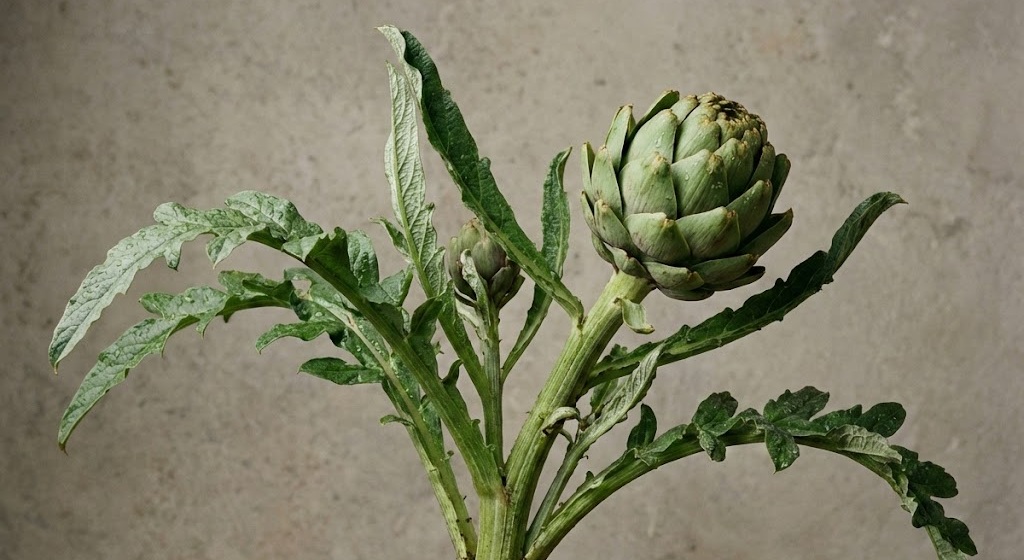

Growing artichokes successfully requires a deep understanding of their Mediterranean origins and specific growth habits. These perennial plants can provide a bounty of edible buds for several years if they receive the right attention throughout the seasons. You must consider that these plants are not just vegetables but also architectural additions to any garden space. Their unique physiology demands a balance between consistent environmental conditions and specific manual interventions.
The initial phase of care focuses on establishing a strong root system that can support heavy foliage. You should regularly inspect the leaves for any signs of discoloration or stunted growth during the early weeks. Providing a stable environment without sudden temperature fluctuations will ensure the plant remains in its vegetative state longer. Healthy leaf development is the foundation for a productive harvest later in the growing cycle.
The maintenance of the surrounding soil structure is just as important as the care given to the plant itself. You should aim to keep the soil aerated to prevent compaction, which can hinder the expansion of the deep taproot. Periodic shallow cultivation helps in maintaining this airflow while also managing any emerging weed populations. A well-maintained soil environment allows the artichoke to absorb nutrients more efficiently from the deeper layers.
As the plant matures, the focus shifts toward managing its massive canopy to ensure adequate airflow. You should remove any lower leaves that show signs of yellowing or touch the ground directly. This practice reduces the risk of fungal infections and allows more light to reach the center of the crown. Proper spacing between plants is essential to prevent the spread of localized humidity-related issues within the foliage.
Soil health and composition
The foundation of artichoke care lies in maintaining a soil profile that is rich in organic matter and highly porous. You must ensure that the growing medium is well-drained, as these plants are particularly sensitive to standing water. Incorporating aged compost or well-rotted manure before each growing season will replenish the vital nutrients required for leaf production. Testing the soil pH regularly helps in keeping it within the ideal range of six to seven.
More articles on this topic
Microbial activity in the soil plays a crucial role in breaking down organic compounds for the plant. You can encourage this beneficial biology by avoiding excessive chemical applications that might harm soil life. Adding a layer of organic mulch not only protects the soil structure but also feeds the earthworms and bacteria. This natural cycle creates a sustainable ecosystem where the artichoke can thrive with minimal external intervention.
The physical texture of the ground should be crumbly and light enough for the roots to penetrate without resistance. If you are dealing with heavy clay, you may need to add sand or perlite to improve the overall drainage. Raised beds can be an excellent solution for gardeners who struggle with naturally dense or waterlogged terrain. Ensuring the soil is loose allows the plant to develop the robust base it needs for wind resistance.
Long-term soil management involves a rotation or replenishment strategy to prevent nutrient exhaustion. You should observe how the soil settles over time and add top-dressings of organic material as needed. This constant renewal ensures that the artichoke has access to a fresh supply of minerals throughout its perennial life. A healthy soil environment is the best defense against many common physiological disorders in these large plants.
Moisture management strategies
Artichokes have a high water requirement, especially during the peak of the summer heat. You should aim for a deep soaking rather than frequent shallow waterings to encourage the roots to grow downward. Monitoring the soil moisture at a depth of ten centimeters will give you a better idea of when to irrigate. Drought stress can lead to small, tough buds that lack the desired flavor and texture.
More articles on this topic
The timing of irrigation is critical to prevent moisture-related diseases on the foliage. You should ideally water in the early morning so that any splashes on the leaves can dry quickly in the sun. Drip irrigation systems are highly recommended as they deliver water directly to the base of the plant. This method minimizes water waste and keeps the edible parts of the plant dry and clean.
During the flowering stage, the plant’s need for consistent hydration becomes even more pronounced. You must be careful not to let the soil dry out completely when the buds are beginning to form. If the plant experiences significant water stress at this point, the harvest quality will drop significantly. Providing a steady supply of moisture ensures that the bracts remain tender and succulent for culinary use.
In regions with high rainfall, the challenge changes from providing water to ensuring it moves away from the plant. You should monitor the drainage patterns in your garden during heavy storms to identify any pooling issues. Adjusting the slope of the planting area or adding drainage channels can protect the crown from rotting. Balancing hydration is a delicate task that changes with the local weather patterns.
Weed suppression and mulching
Managing competition is a vital part of caring for artichokes, especially when they are young and vulnerable. You should remove weeds manually to avoid damaging the shallow lateral roots of the artichoke plant. Once the artichoke grows its large leaves, it will naturally shade out many competitors, but early intervention is key. A clean growing area reduces the hiding spots for pests that might migrate to your crop.
Applying a thick layer of organic mulch is one of the most effective ways to manage weeds and moisture. You can use straw, wood chips, or shredded leaves to create a protective barrier over the soil surface. This layer should be kept a few centimeters away from the main stem to prevent moisture buildup against the bark. Mulching also helps in moderating soil temperature, which keeps the roots cool during the intense summer months.
As the mulch decomposes, it adds valuable carbon back into the soil, improving its long-term fertility. You should plan to replenish this layer at least twice a year to maintain its effectiveness. This cycle of decomposition mimics the natural floor of a forest, providing a steady stream of nutrients. Using high-quality mulch also prevents the germination of weed seeds that may blow into the garden.
For larger plantations, plastic mulches or landscape fabrics might be considered for their efficiency. You must ensure that these materials are breathable to allow for gas exchange between the soil and the atmosphere. However, organic options are generally preferred for the added benefits they provide to the soil biology. Choosing the right material depends on your specific climate and the scale of your gardening operation.
Nutritional balance and supplementation
Artichokes are heavy feeders that require a steady supply of nitrogen, phosphorus, and potassium. You should start the season with a balanced application of organic fertilizer to jumpstart the spring growth. Observing the color and size of the leaves can provide immediate feedback on the plant’s nutritional status. Pale or yellowing leaves often indicate a deficiency that needs to be addressed through targeted feeding.
Side-dressing with compost tea or liquid seaweed can provide a quick boost during the active growing phase. You should apply these supplements every few weeks to maintain high energy levels within the plant. This intensive feeding schedule supports the development of the large, fleshy flower heads that we harvest. Avoid over-applying nitrogen late in the season, as this can lead to excessive foliage at the expense of buds.
Micronutrients such as calcium and magnesium are also essential for the structural integrity of the plant. You might consider adding crushed eggshells or Epsom salts if your soil tests show a lack of these elements. These minerals help in preventing physiological issues like tip burn on the developing bracts. A holistic approach to nutrition ensures that the plant is resilient against environmental stressors.
The transition from vegetative growth to bud production requires a shift in the nutritional focus. You should gradually increase the phosphorus levels as the first signs of flower stalks appear in the center. This encourages the formation of larger and more numerous heads for your harvest. Constant monitoring and adjustment are the hallmarks of a professional approach to artichoke cultivation.
Environmental protection and climate
Artichokes prefer a mild climate with cool summers and winters that do not experience extreme freezes. You should select a planting site that is protected from harsh, drying winds that can damage the large leaves. Creating windbreaks with other plants or structures can provide a more favorable microclimate for the artichokes. These plants are quite sensitive to extreme heat, which can cause the buds to open prematurely.
In areas with intense summer sun, providing some light afternoon shade can prevent heat stress. You might use shade cloths or strategically place the artichokes near taller, sun-loving plants. This protection helps in maintaining the quality of the buds by slowing down the maturation process. Keeping the plant cool allows the sugars to develop more fully within the edible portions.
Frost protection is a major concern for those growing artichokes in more temperate zones. You should be prepared to cover the plants with frost blankets if a late spring freeze is forecasted. Sudden cold snaps can kill the tender new growth and set the plant back by several weeks. Understanding your local frost dates is essential for timing your care activities correctly.
Monitoring the local weather forecast becomes a daily routine for the dedicated artichoke grower. You must be ready to adapt your care plan based on the predicted rainfall, temperature, and wind. This proactive approach allows you to mitigate potential risks before they cause visible damage to the crop. A well-protected plant will always produce a more consistent and high-quality yield.
Harvesting and post-crop care
The culmination of your care efforts is the harvest of the immature flower buds. You should cut the heads when they are still tight and before the lower bracts begin to pull away. Using a sharp, sanitized knife will ensure a clean cut that heals quickly on the remaining stalk. Leave a few centimeters of the stem attached to the bud to help it stay fresh after picking.
After the main central bud is harvested, the plant will often produce smaller secondary buds on the lateral branches. You should continue to care for the plant during this secondary harvest phase to maximize your total yield. These smaller heads are often even more tender and are highly prized in many culinary traditions. Regular harvesting encourages the plant to continue producing rather than putting energy into seed production.
Once the harvest is complete, the plant enters a period of relative rest or transition. You should remove the old flower stalks down to the base to encourage new growth from the crown. This cleanup process helps in maintaining the aesthetic of the garden and prepares the plant for the next cycle. It is also an excellent time to inspect the base for any signs of pests or disease.
Final care steps involve preparing the plant for the upcoming dormant season or next growth spurt. You should continue to provide moderate water and nutrition to keep the root system healthy during the off-season. This ongoing attention ensures that the perennial artichoke remains productive for its full lifespan, usually three to five years. Consistent care after the harvest is the secret to a long-lasting and successful artichoke patch.